
New York Times bestseller · graphic novel · history
Maus I by Art Spiegelman — Summary, Key Ideas & Quotes
1986295 pages✦ 3-min Big ideas★ 4.5 (157)
Rate it
A story of a Jewish survivor of Hitler's Europe and his son, a cartoonist who tries to come to terms with his father's story and history itself.
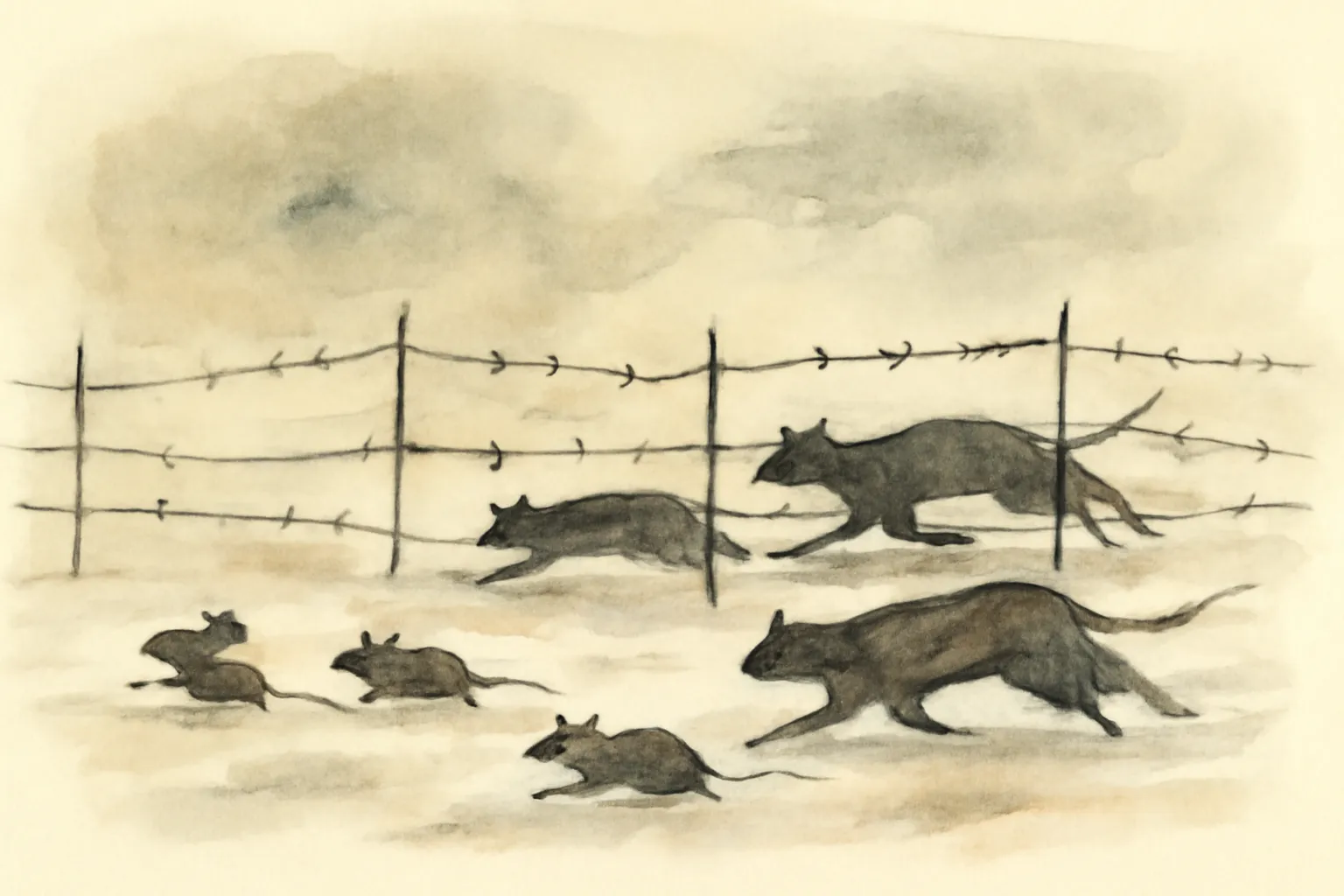
Maus I revolutionized the use of comics for serious, historical subjects. By depicting Jews as mice and Nazis as cats, Spiegelman uses visual metaphor to amplify the absurdity and horror of racial persecution. The comic format allows for a unique interplay between image and text, making the trauma of the Holocaust both accessible and immediate, while also inviting readers to question the limits and possibilities of representation.
At its core, Maus I is about how trauma is remembered and retold. Vladek Spiegelman’s recollections are fragmented, colored by pain and time, and his son Art’s attempts to record them are fraught with frustration and guilt. The book exposes the challenges of reconstructing the past, especially when memories are incomplete or shaped by suffering. It raises questions about the reliability of memory and the responsibilities of those who inherit traumatic histories.
“To die, it’s easy. But you have to struggle for life.”
“I'm literally giving a form to my father's words and memories.”