1.The Power of Graphic Storytelling
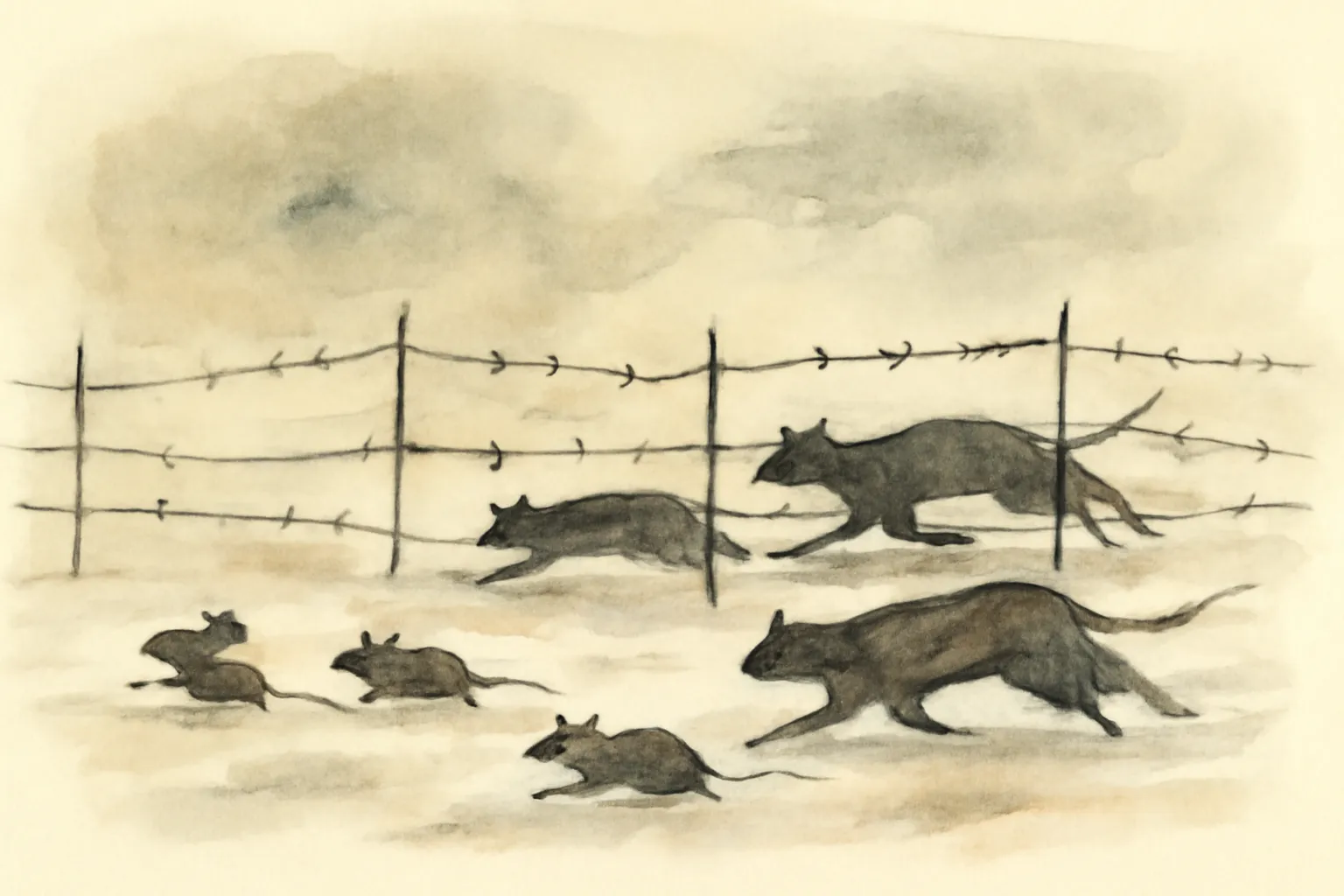
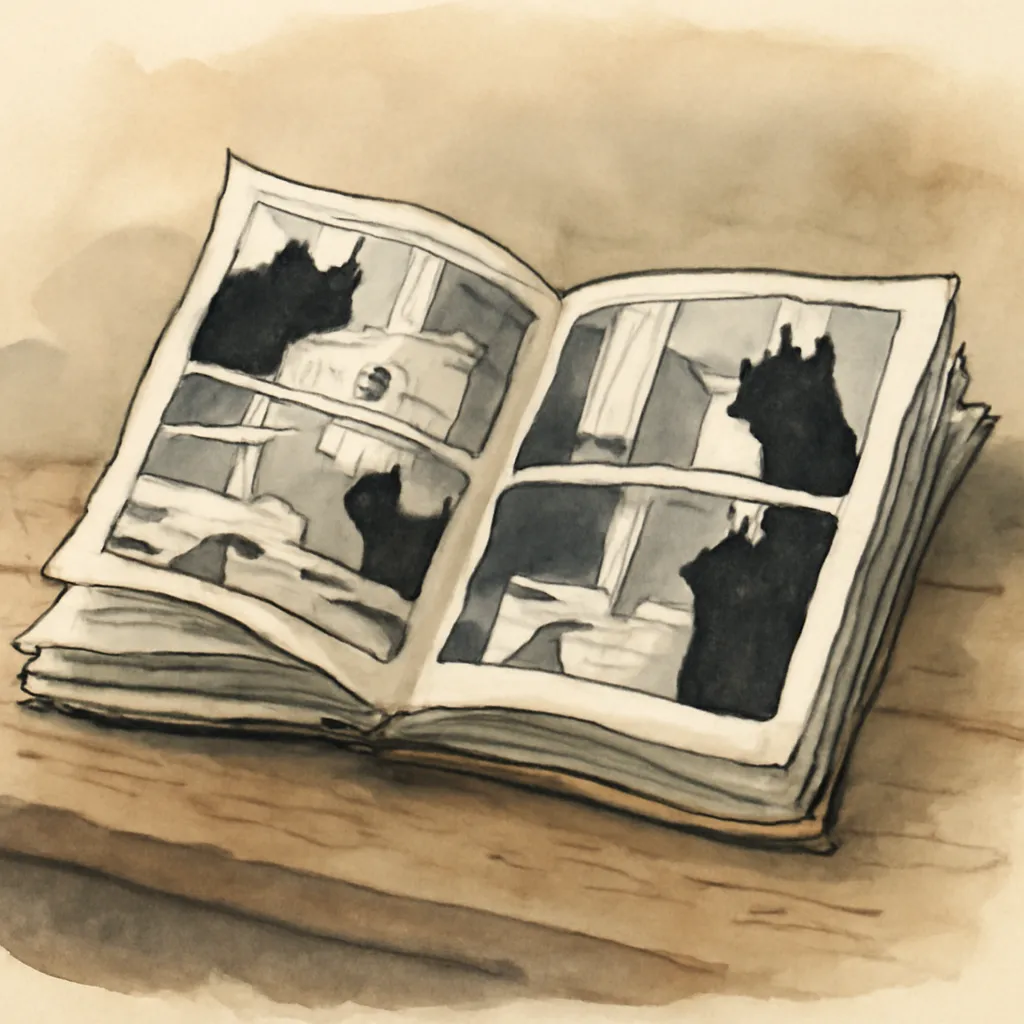
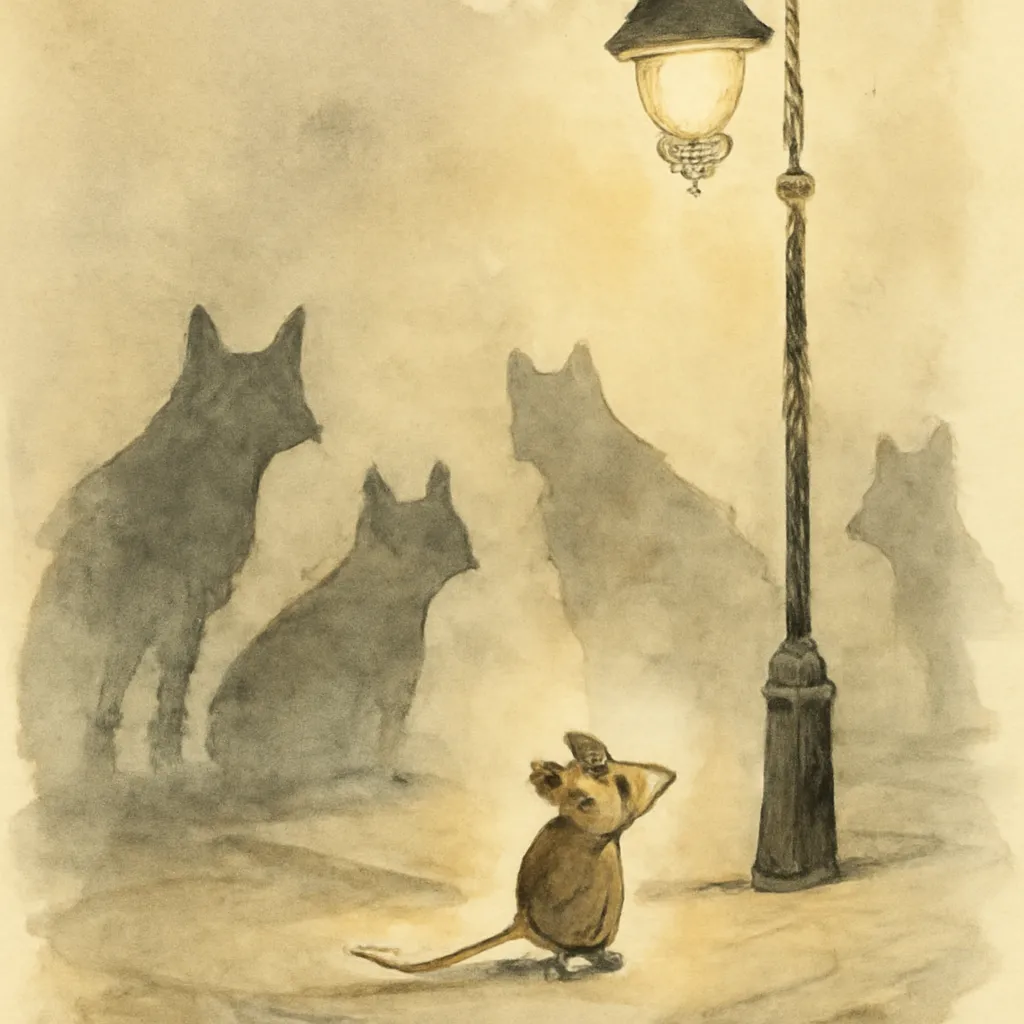
Maus I revolutionized the use of comics for serious, historical subjects. By depicting Jews as mice and Nazis as cats, Spiegelman uses visual metaphor to amplify the absurdity and horror of racial persecution. The comic format allows for a unique interplay between image and text, making the trauma of the Holocaust both accessible and immediate, while also inviting readers to question the limits and possibilities of representation.
2.Memory, Trauma, and Storytelling
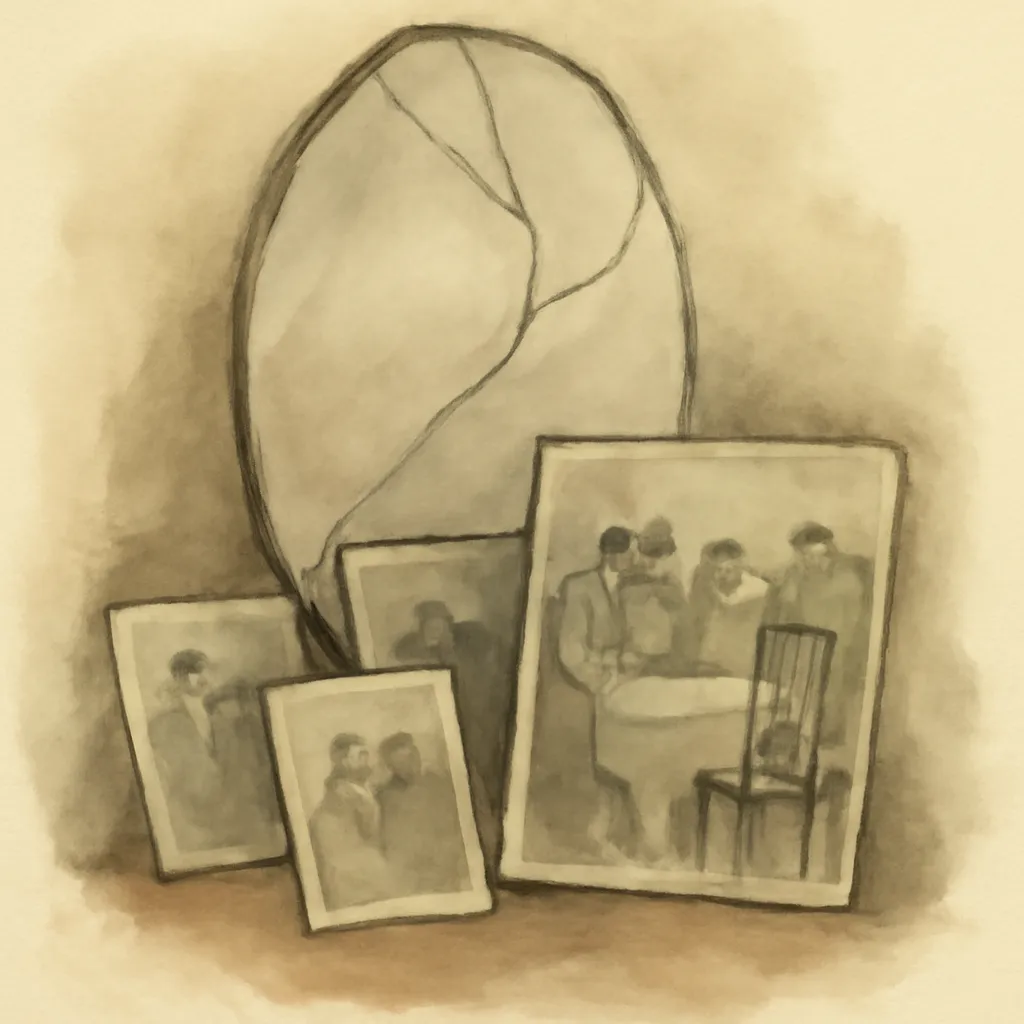
At its core, Maus I is about how trauma is remembered and retold. Vladek Spiegelman’s recollections are fragmented, colored by pain and time, and his son Art’s attempts to record them are fraught with frustration and guilt. The book exposes the challenges of reconstructing the past, especially when memories are incomplete or shaped by suffering. It raises questions about the reliability of memory and the responsibilities of those who inherit traumatic histories.
3.Family, Guilt, and Inheritance
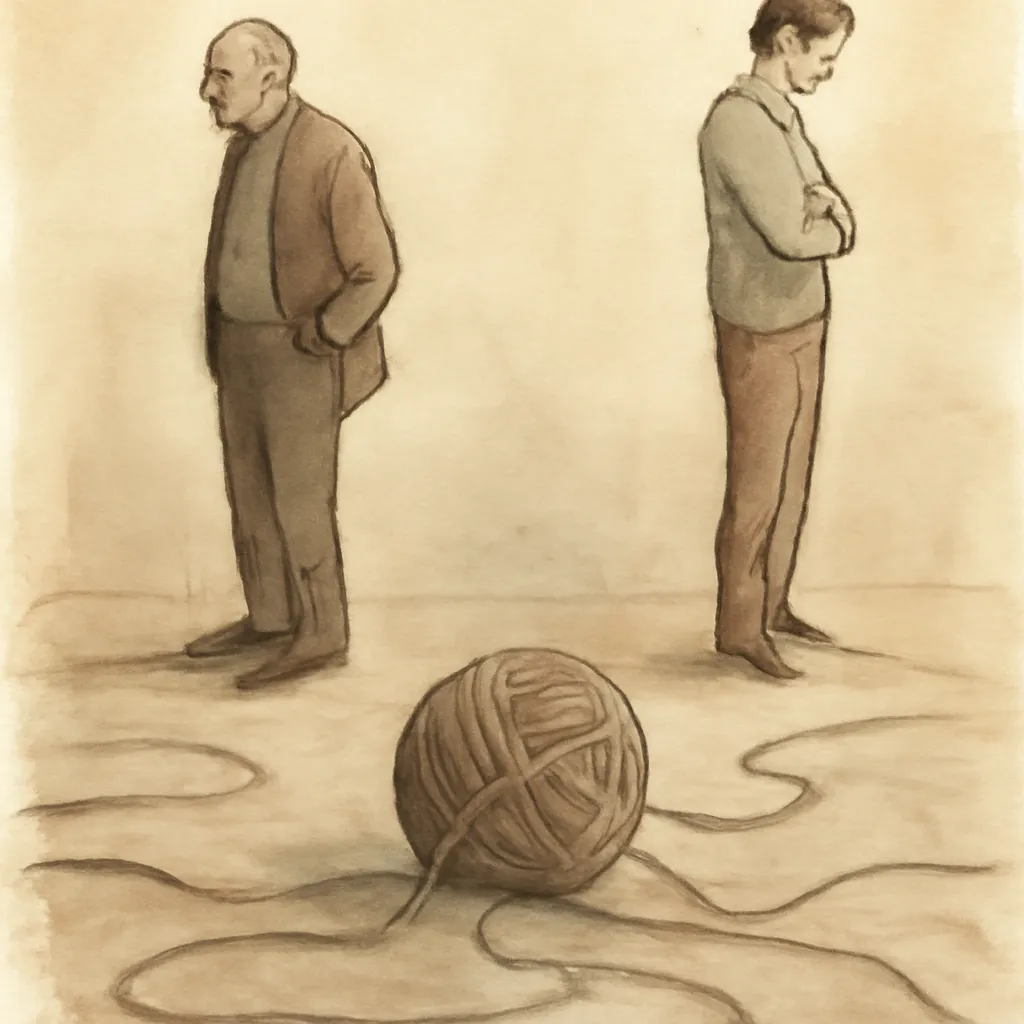
The relationship between Art and his father Vladek is as central as the Holocaust narrative itself. Their interactions are tense, marked by generational and emotional divides. Art grapples with guilt—both survivor’s guilt by proxy and the burden of representing his family’s suffering. Maus I explores how trauma is passed down, not just in stories, but in everyday behaviors, anxieties, and misunderstandings.
4.Identity and Dehumanization
By using animal allegories, Spiegelman starkly illustrates the dehumanization at the heart of Nazi ideology. The visual device is both distancing and revealing, showing how identity was reduced to arbitrary categories. Yet, the characters’ personalities, flaws, and resilience shine through, challenging the very stereotypes that the allegory invokes.
5.The Ordinary Amid Catastrophe
Maus I does not only recount extraordinary horrors; it also dwells on the mundane details of survival—rationing food, navigating relationships, and making impossible choices. This focus on the ordinary humanizes the victims and survivors, reminding readers that history is lived by real people with complex lives, not just abstract numbers or symbols.
6.The Ethics of Representation
Spiegelman is acutely aware of the moral dilemmas in representing the Holocaust, especially through art. The book is self-reflexive, showing Art’s anxiety about exploiting his father’s pain and the impossibility of fully conveying such suffering. This meta-narrative invites readers to consider their own roles as witnesses and consumers of historical trauma.