Philosophy · Stoicism
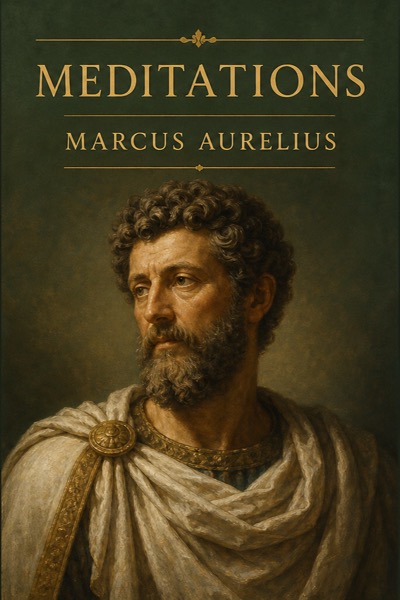
Meditations by Marcus Aurelius — Summary, Key Ideas & Full Text
238 pages13 chapters4h 47m read3h 24m speed read✦ 7-min Big ideas★ 4.1 (144)Free · no account
Rate it
Embrace the Stoic philosophy of resilience and self-reflection to lead a life of virtue and tranquility
Marcus Aurelius's 'Meditations' serves as a profound guide to understanding the Stoic mindset, emphasizing the importance of inner strength, self-discipline, and virtue in the face of life's challenges. Written as a series of personal reflections, this work invites readers to engage in self-examination and develop a deep sense of purpose and clarity. Through Aurelius’s insights, you will learn how to cultivate a resilient spirit, manage your responses to external events, and find peace within yourself. The teachings not only resonate with the struggles of his time but also offer timeless wisdom applicable to modern life. By embracing these principles, you can navigate the complexities of existence with grace and integrity.
Marcus Aurelius's 'Meditations' offers timeless wisdom for navigating the complexities of life with resilience, virtue, and purpose. By embracing the Stoic principles laid out in this work, individuals can cultivate a mindset that fosters inner peace and strength in the face of adversity. The reflections serve as a powerful reminder of the importance of self-awareness, accountability, and community in the pursuit of a fulfilling life. In a world filled with distractions and challenges, Aurelius's insights encourage us to return to the core values of integrity, compassion, and mindfulness. Ultimately, the teachings of 'Meditations' empower us to lead lives of meaning, contributing positively to ourselves and those around us.

Read Marcus Aurelius's work free on Lumina — the complete text plus an 8-minute summary and key ideas, no account needed