

Fiction, sea stories · Fiction, action & adventure · African americans, fiction
Middle Passage by Charles Johnson — Summary, Key Ideas & Quotes
1992224 pages✦ 3-min Big ideas
Rate it
A twenty-fifth anniversary edition of Charles Johnson’s National Book Award-winning masterpiece—"a novel in the tradition of Billy Budd and Moby-Dick…heroic in proportion…fiction that hooks the mind" (The New York Times Book Review)—now with a new introduction from Stanley Crouch. Rutherford Calhoun, a newly freed slave and irrepressible rogue, is lost in the underworld of 1830s New Orleans. Desperate to escape the city’s unscrupulous bill collectors and the pawing hands of a schoolteacher hellbent on marrying him, he jumps aboard the Republic, a slave ship en route to collect members of a legendary African tribe, the Allmuseri. Thus begins a voyage of metaphysical horror and human atrocity, a journey which challenges our notions of freedom, fate and how we live together. Peopled with vivid and unforgettable characters, nimble in its interplay of comedy and serious ideas, this dazzling modern classic is a perfect blend of the picaresque tale, historical romance, sea yarn, slave narrative and philosophical allegory. Now with a new introduction from renowned writer and critic Stanley Crouch, this twenty-fifth anniversary edition of Middle Passage celebrates a cornerstone of the American canon and the masterwork of one of its most important writers. "Long after we’d stopped believe in the great American novel, along comes a spellbinding adventure story that may be just that" (Chicago Tribune).
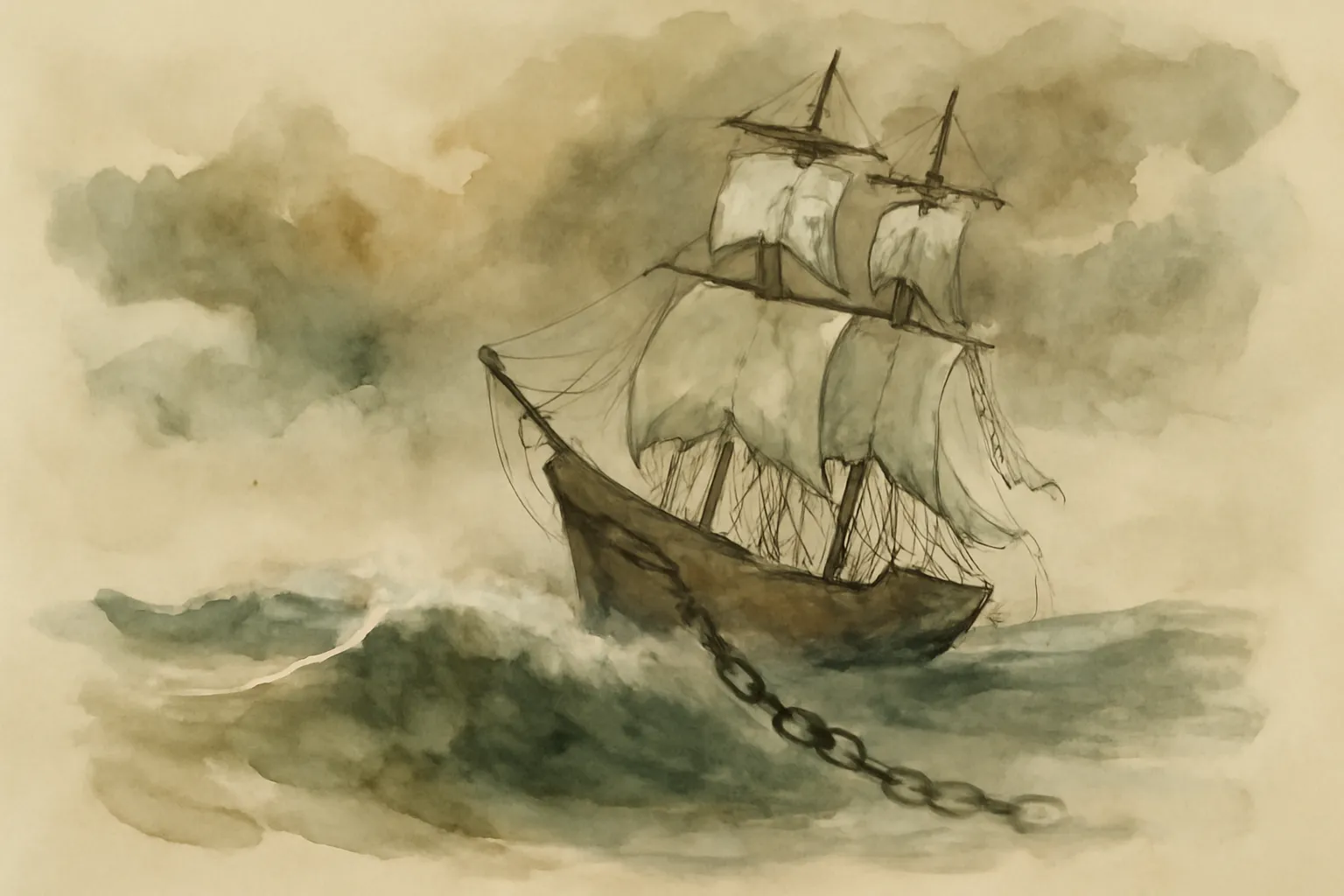
The novel interrogates the meaning of freedom through Rutherford Calhoun, a man who escapes one form of bondage only to encounter others—both external and internal. Johnson explores how freedom is not merely the absence of chains, but a complicated state involving responsibility, self-knowledge, and moral choices. Calhoun's journey forces him to confront the ways in which he is still unfree, even as a 'free' man, and how true liberation requires facing uncomfortable truths about oneself and society.
Johnson transforms the historical horror of the Middle Passage—the transatlantic slave trade's deadly crossing—into a rich metaphor for spiritual and psychological transformation. The voyage becomes a crucible where characters are stripped of illusions and forced to grapple with their deepest fears, desires, and prejudices. The ship itself is a microcosm of society, with shifting power dynamics and moral ambiguity, highlighting the ways in which trauma and survival shape identity.
“You cannot own what you cannot carry.”
“Slavery is a long lesson in humility.”