

African americans, fiction · Fiction, general · African American families
Go Tell It on the Mountain by James Baldwin — Summary, Key Ideas & Quotes
1952233 pages✦ 3-min Big ideas★ 3.6 (13)
Rate it
In one of the greatest American classics, Baldwin chronicles a fourteen-year-old boy's discovery of the terms of his identity. Baldwin's rendering of his protagonist's spiritual, sexual, and moral struggle of self-invention opened new possibilities in the American language and in the way Americans understand themselves. With lyrical precision, psychological directness, resonating symbolic power, and a rage that is at once unrelenting and compassionate, Baldwin tells the story of the stepson of the minister of a storefront Pentecostal church in Harlem one Saturday in March of 1935. Originally published in 1953, Baldwin said of his first novel, "Mountain is the book I had to write if I was ever going to write anything else."
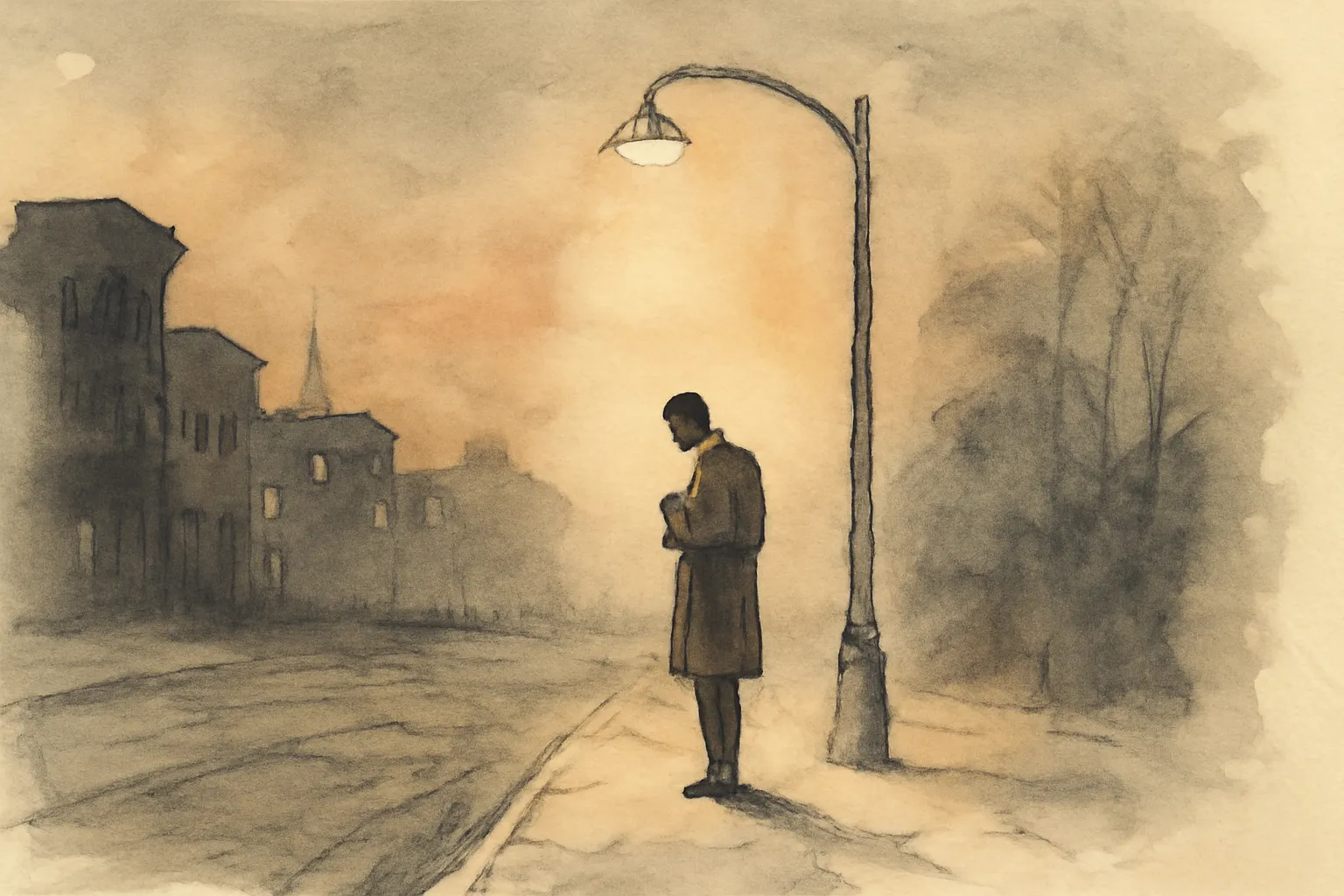
At its core, the novel follows John Grimes as he grapples with who he is—torn between the expectations of his religious stepfather, the legacy of his family, and his own burgeoning sense of self. Baldwin uses John’s internal conflict to probe how race, religion, and family shape the contours of identity, especially for Black Americans. The struggle is not just personal but emblematic of broader societal pressures, making John’s journey both intimate and universal.
The Pentecostal church is both sanctuary and source of suffering for the Grimes family. Baldwin examines how faith can offer hope and community, yet also enforce strictures that stifle individuality and perpetuate cycles of guilt and shame. Through the fiery sermons and private prayers, the novel interrogates the double-edged nature of religious experience—its power to heal and to wound.
“Whoever wishes to become a child of God must first become a prodigal.”
“Your father’s house is a house of sin.”
“Hatred, which could destroy so much, never failed to destroy the man who hated.”