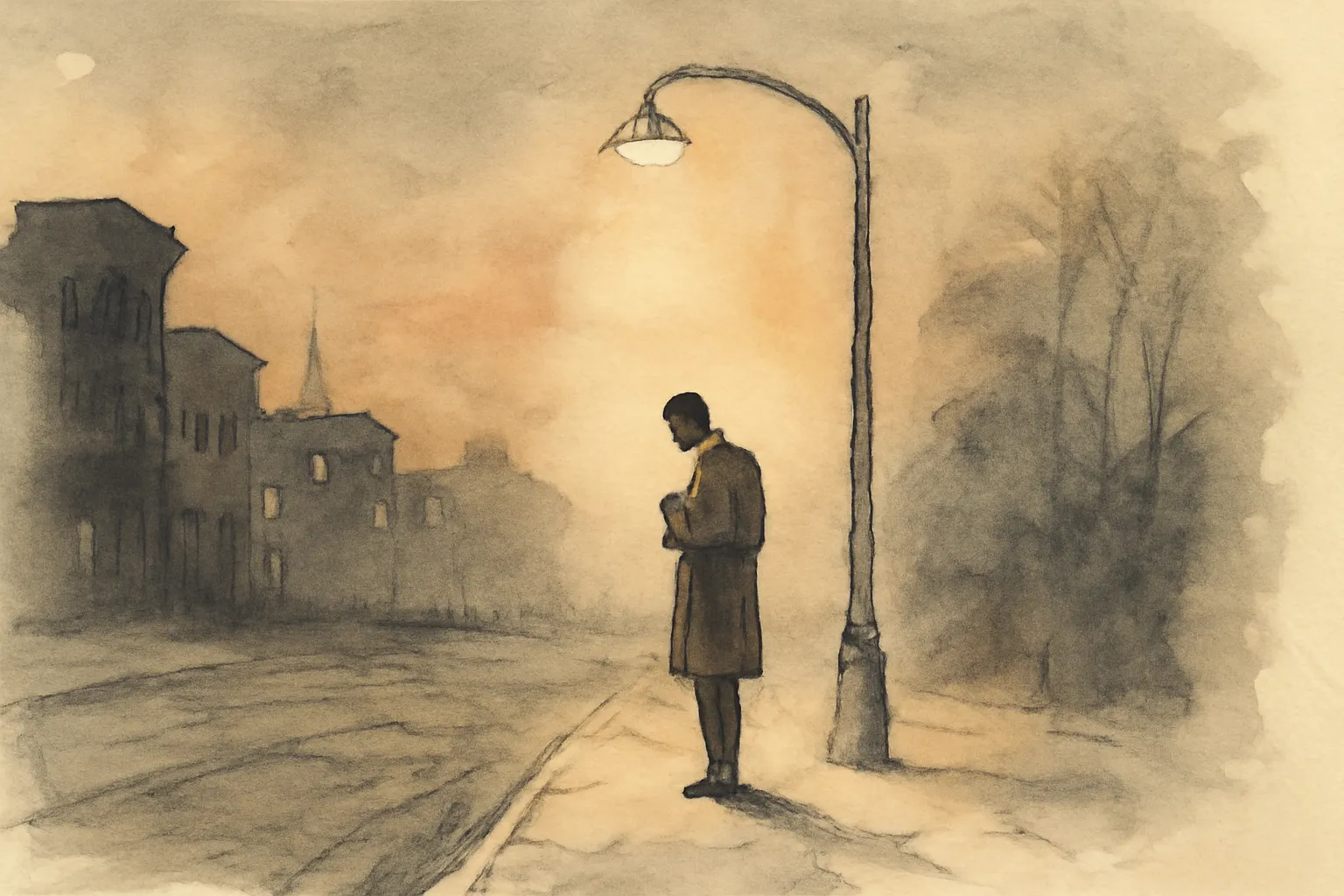
1.The Search for Identity
At its core, the novel follows John Grimes as he grapples with who he is—torn between the expectations of his religious stepfather, the legacy of his family, and his own burgeoning sense of self. Baldwin uses John’s internal conflict to probe how race, religion, and family shape the contours of identity, especially for Black Americans. The struggle is not just personal but emblematic of broader societal pressures, making John’s journey both intimate and universal.
2.Religion as Refuge and Weapon
The Pentecostal church is both sanctuary and source of suffering for the Grimes family. Baldwin examines how faith can offer hope and community, yet also enforce strictures that stifle individuality and perpetuate cycles of guilt and shame. Through the fiery sermons and private prayers, the novel interrogates the double-edged nature of religious experience—its power to heal and to wound.
3.Generational Trauma and Legacy
Baldwin structures much of the novel through the memories and confessions of John’s parents and aunt, revealing how past traumas—racism, poverty, betrayal—echo through generations. The characters’ struggles are shaped by what they inherit, willingly or not, from those who came before. The narrative suggests that understanding and confronting this legacy is essential for any hope of personal liberation.
4.Sexuality and Shame
John’s awakening to his own sexuality is fraught with fear and confusion, intensified by the church’s condemnation of desire. Baldwin, writing with rare candor for his time, depicts the internalized shame and longing that haunt John and others. The novel’s honest treatment of sexuality—especially in a religious context—was groundbreaking and remains resonant today.
5.Racial Injustice and the American Dream
Though focused on one family’s story, the novel is saturated with the realities of systemic racism and the elusive promise of equality. The Grimes family’s struggles are inseparable from the world outside their Harlem apartment—a world that limits their opportunities and shapes their fears. Baldwin subtly critiques the myth of the American Dream, showing how it is denied to those on society’s margins.
6.The Power and Limits of Forgiveness
Forgiveness, both divine and human, is a recurring theme. Characters wrestle with forgiving themselves, each other, and the world that has wronged them. Baldwin suggests that forgiveness is necessary for healing, but also acknowledges how difficult—and sometimes incomplete—that process can be.