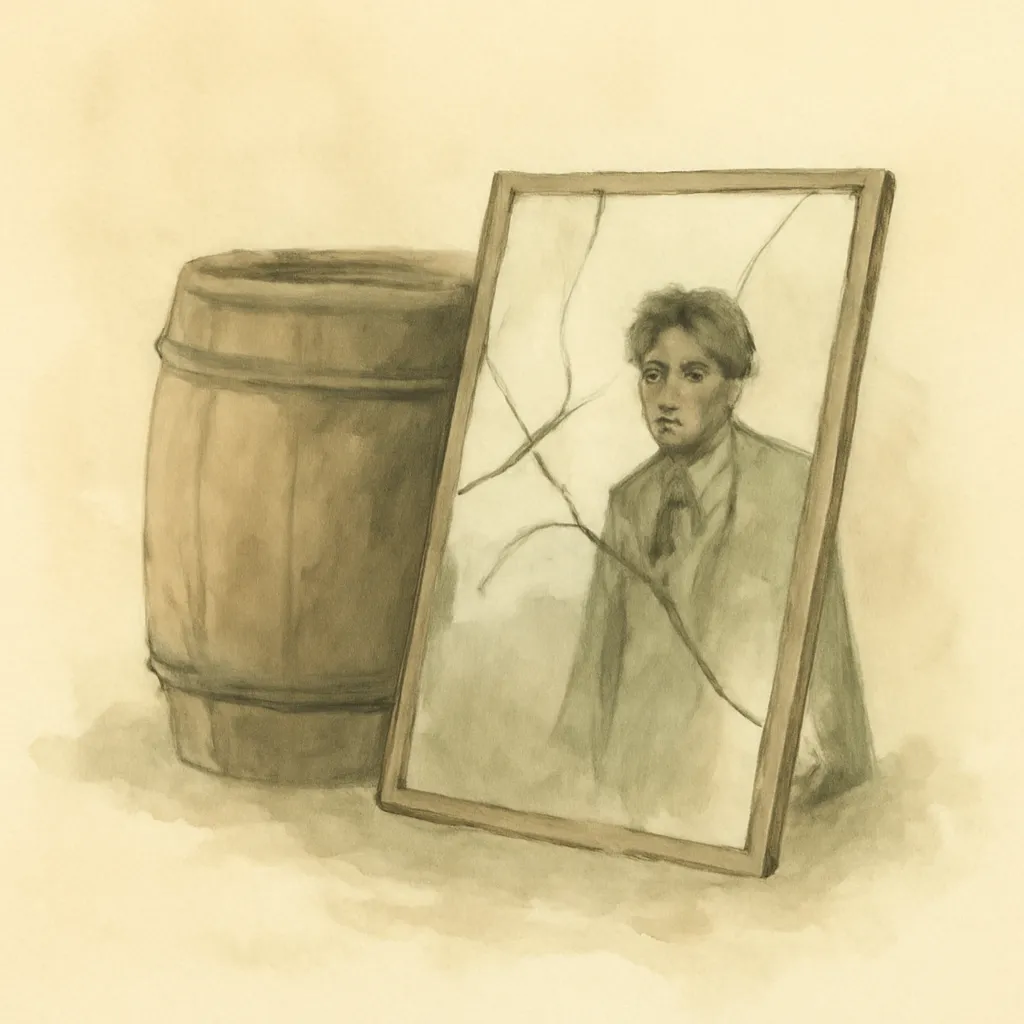
1.Freedom and Its Complexities
The novel interrogates the meaning of freedom through Rutherford Calhoun, a man who escapes one form of bondage only to encounter others—both external and internal. Johnson explores how freedom is not merely the absence of chains, but a complicated state involving responsibility, self-knowledge, and moral choices. Calhoun's journey forces him to confront the ways in which he is still unfree, even as a 'free' man, and how true liberation requires facing uncomfortable truths about oneself and society.
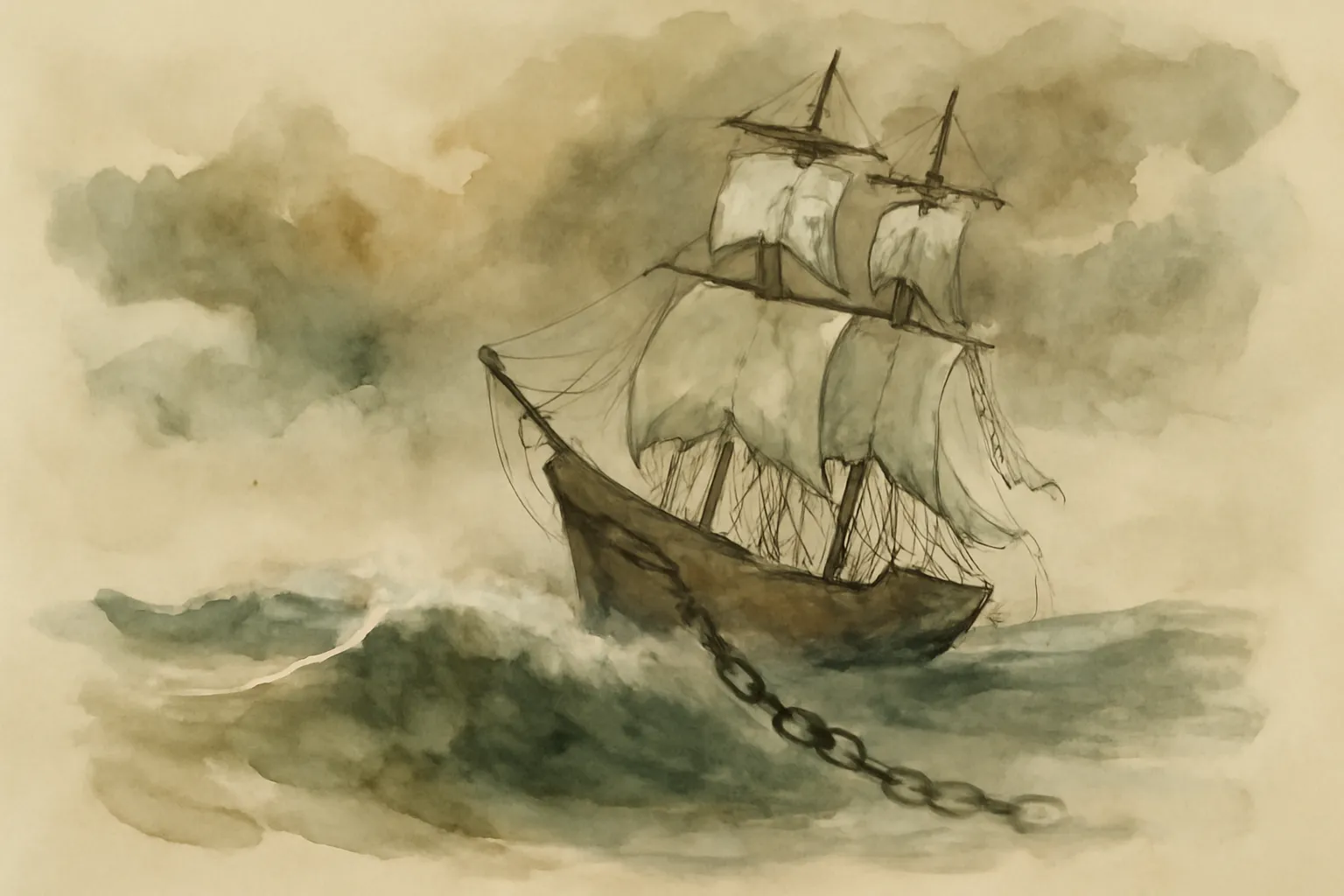
2.The Middle Passage as Metaphor
Johnson transforms the historical horror of the Middle Passage—the transatlantic slave trade's deadly crossing—into a rich metaphor for spiritual and psychological transformation. The voyage becomes a crucible where characters are stripped of illusions and forced to grapple with their deepest fears, desires, and prejudices. The ship itself is a microcosm of society, with shifting power dynamics and moral ambiguity, highlighting the ways in which trauma and survival shape identity.
3.Satire and the Picaresque Tradition
Middle Passage draws on the picaresque novel, blending adventure, humor, and social critique. Rutherford is a classic rogue—witty, self-deprecating, and often unreliable—whose misadventures expose the absurdities and hypocrisies of antebellum America. Johnson uses satire to undercut romanticized notions of heroism and to question the narratives that societies tell themselves about race, progress, and civilization.
4.Encounter with the Allmuseri
The Allmuseri, a fictional African tribe, serve as both literal captives and spiritual catalysts. Their presence on the ship introduces questions about cultural difference, the limits of empathy, and the possibility of transformation. Through mystical and philosophical encounters with the Allmuseri and their enigmatic 'god,' the novel explores the boundaries of human understanding and the costs of dehumanization.
5.Identity and Self-Realization
Rutherford's journey is as much inward as outward. Forced to confront his past, his complicity, and his evasions, he undergoes a painful but necessary process of self-realization. Johnson suggests that identity is not fixed but forged through struggle, reflection, and the willingness to change. The novel resists easy redemption, instead offering a nuanced portrait of growth and the ongoing challenge of living ethically.
6.Moral Ambiguity and Responsibility
No character in Middle Passage is wholly innocent or evil; instead, Johnson crafts a world of moral complexity. The crew, the captives, and even Rutherford himself are implicated in systems of exploitation and violence. The novel pushes readers to consider complicity, the difficulty of moral choices under duress, and the necessity of taking responsibility for one's actions, both individually and collectively.