
Sociological aspects · Psychological aspects of Genocide · Sociological aspects of Genocide
Modernity and the Holocaust by Zygmunt Bauman — Summary, Key Ideas & Quotes
1989253 pages✦ 3-min Big ideas★ 4.0 (1)
Rate it
A new afterword to this edition, "The duty to remember, but What?," tackles difficult issues of guilt and innocence on the individual and societal levels. Bauman explores the silences found in debates about the Holocaust, and asks what the historical facts of the Holocaust tell us about the hidden capacities of present-day life. He finds great danger in such phenomena as the seductiveness of martyrdom; going to extremes in the same of safety; the insidious efects of tragic memory, and efficient, "scientific" implementation of the death penalty. Bauman writes, "Once the problem of the guilt of the Holocaust perpetrators has been by and large settled and with the passing of time lost a good deal of its urgency and practical edge, the one big remaining question is the innocence of all the rest- not the least innocence of ourselves."--publisher description.
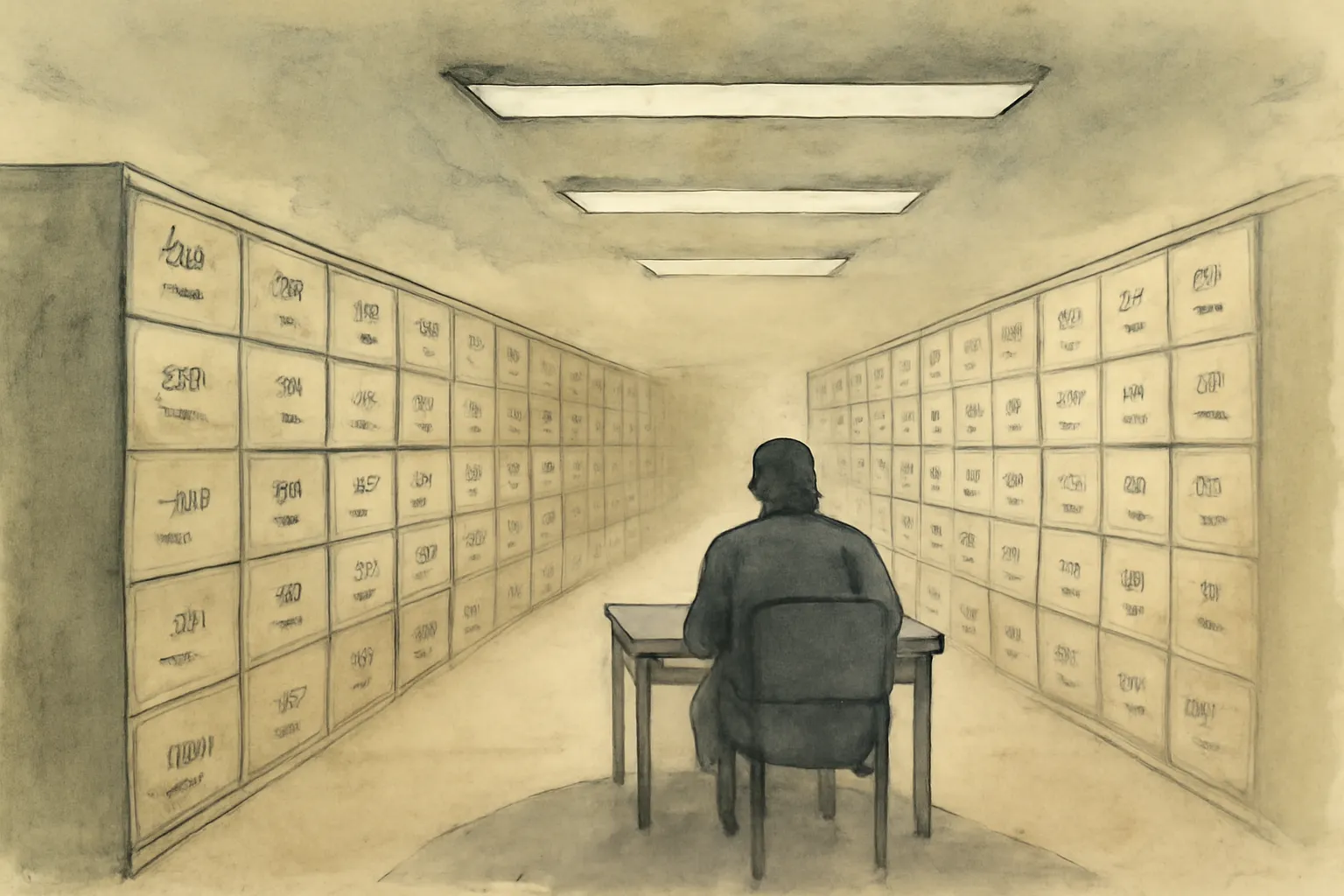
Bauman argues that the Holocaust was not an aberration or regression to barbarism, but rather a direct outcome of modern civilization’s structures. The same rationality, bureaucracy, and technological progress that underpin modern life also made the systematic extermination of millions possible. This reframes the Holocaust as a warning about the dark potential of modern social organization, rather than a freak historical event.
A core insight is how bureaucratic systems create moral distance between action and consequence. The division of labor and impersonal routines allowed ordinary people to participate in genocide without feeling responsible. Bauman shows how bureaucracy can enable evil by diffusing responsibility, making it easier for individuals to comply with horrific orders while feeling absolved of guilt.
“The Holocaust was not an accident in which modernity was an innocent bystander.”
“It was the rational world of modern civilization that made the Holocaust thinkable.”