1.The Holocaust as a Product of Modernity
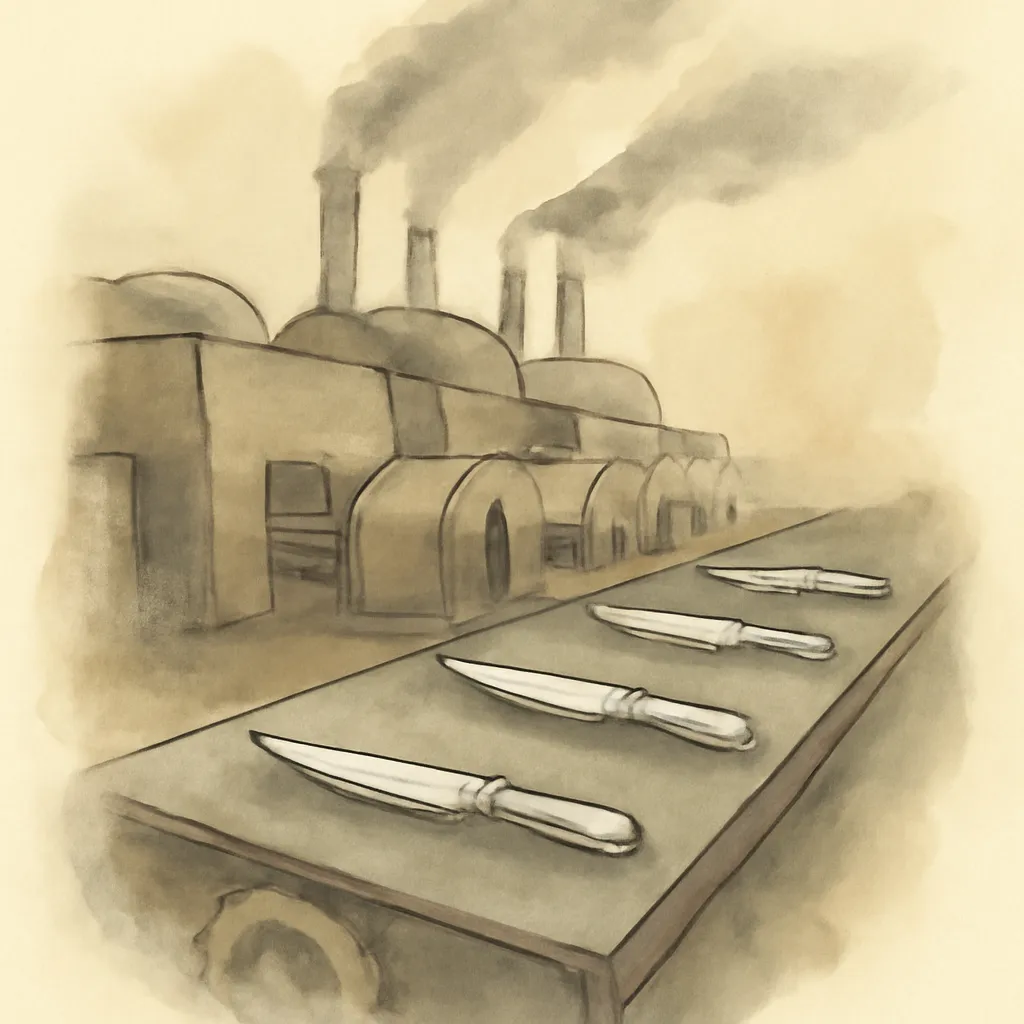
Bauman argues that the Holocaust was not an aberration or regression to barbarism, but rather a direct outcome of modern civilization’s structures. The same rationality, bureaucracy, and technological progress that underpin modern life also made the systematic extermination of millions possible. This reframes the Holocaust as a warning about the dark potential of modern social organization, rather than a freak historical event.
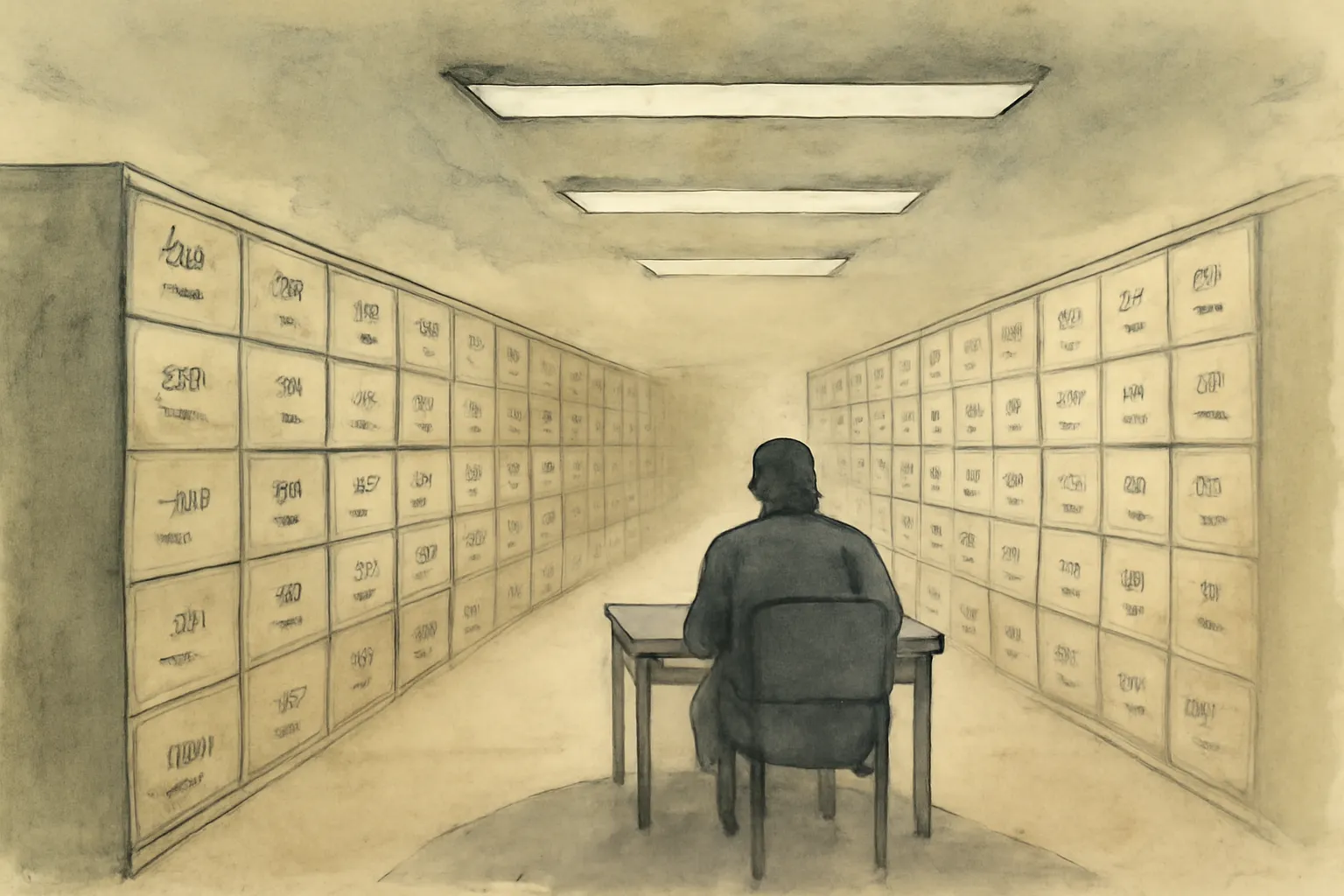
2.Bureaucracy and Moral Distance
A core insight is how bureaucratic systems create moral distance between action and consequence. The division of labor and impersonal routines allowed ordinary people to participate in genocide without feeling responsible. Bauman shows how bureaucracy can enable evil by diffusing responsibility, making it easier for individuals to comply with horrific orders while feeling absolved of guilt.
3.Obedience and the Banality of Evil
Building on Hannah Arendt’s concept of the 'banality of evil,' Bauman demonstrates how ordinary, non-pathological people became perpetrators through obedience to authority and conformity to norms. He explores how modern societies encourage rule-following and discourage critical moral reflection, making atrocities possible without the need for overt hatred or fanaticism.
4.Modernity’s Drive for Order and Control
Bauman links the Holocaust to modernity’s obsession with order, control, and social engineering. The desire to create a 'perfect' society led to the classification, segregation, and ultimately elimination of those deemed undesirable. He warns that the same logic underpins many contemporary policies and technologies, making vigilance essential.
5.Memory, Guilt, and the Question of Innocence
In his afterword and throughout the book, Bauman interrogates how societies remember the Holocaust and assign guilt. He argues that focusing solely on the perpetrators can let the rest of society—and ourselves—off the hook. The real challenge is to confront our own capacities for complicity and to recognize the conditions that make such crimes possible in any society.
6.The Dangers of Forgetting and Complacency
Bauman cautions against treating the Holocaust as a closed chapter or unique anomaly. He insists that the same forces—bureaucracy, rationalization, pursuit of efficiency—are still at work today. Forgetting or misremembering the Holocaust risks repeating its horrors in new forms, making critical reflection and vigilance a moral imperative.