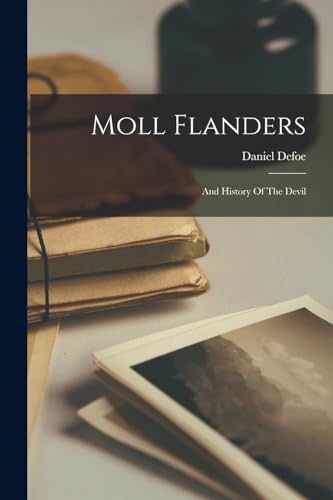
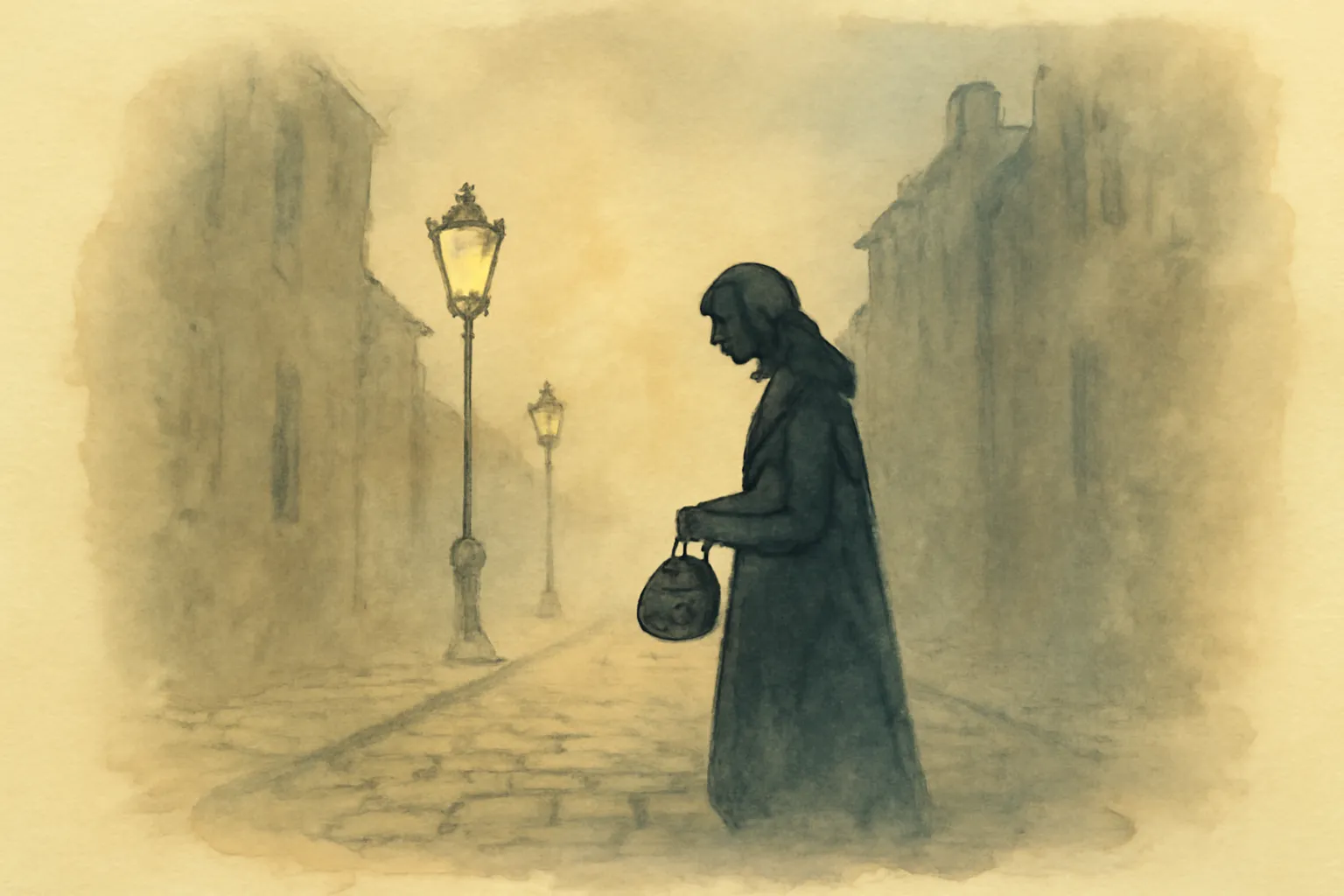
In Daniel Defoe's 'Moll Flanders,' readers are invited into the tumultuous life of a woman born in Newgate prison, who struggles for survival in a world that often views her as a mere object. This novel, presented as Moll's autobiography, weaves together themes of identity, gender, and societal expectations, revealing the harsh realities faced by women of the time. As Moll journeys through various roles—whore, wife, thief, and ultimately a mother—she grapples with her desires and the moral implications of her choices. The narrative not only explores the complexities of her character but also critiques the societal structures that confine her. Through Moll's experiences, readers will gain insight into the resilience required to navigate a world rife with challenges and the lengths one might go to achieve redemption and security.
Moll Flanders is a rich tapestry of human experience, weaving together themes of survival, identity, and morality in a complex societal landscape. Defoe's exploration of Moll's life challenges readers to confront the harsh realities faced by women and the lengths they must go to secure their futures. Through Moll's journey, we see the interplay between personal desires and societal constraints, prompting reflections on the nature of love, crime, and redemption. Ultimately, the novel serves as a powerful commentary on the human condition, encouraging empathy and understanding for those navigating the challenges of their circumstances. In Moll's story, we find a timeless exploration of resilience, identity, and the quest for a better life.