1.The Struggles of a Woman in a Man's World
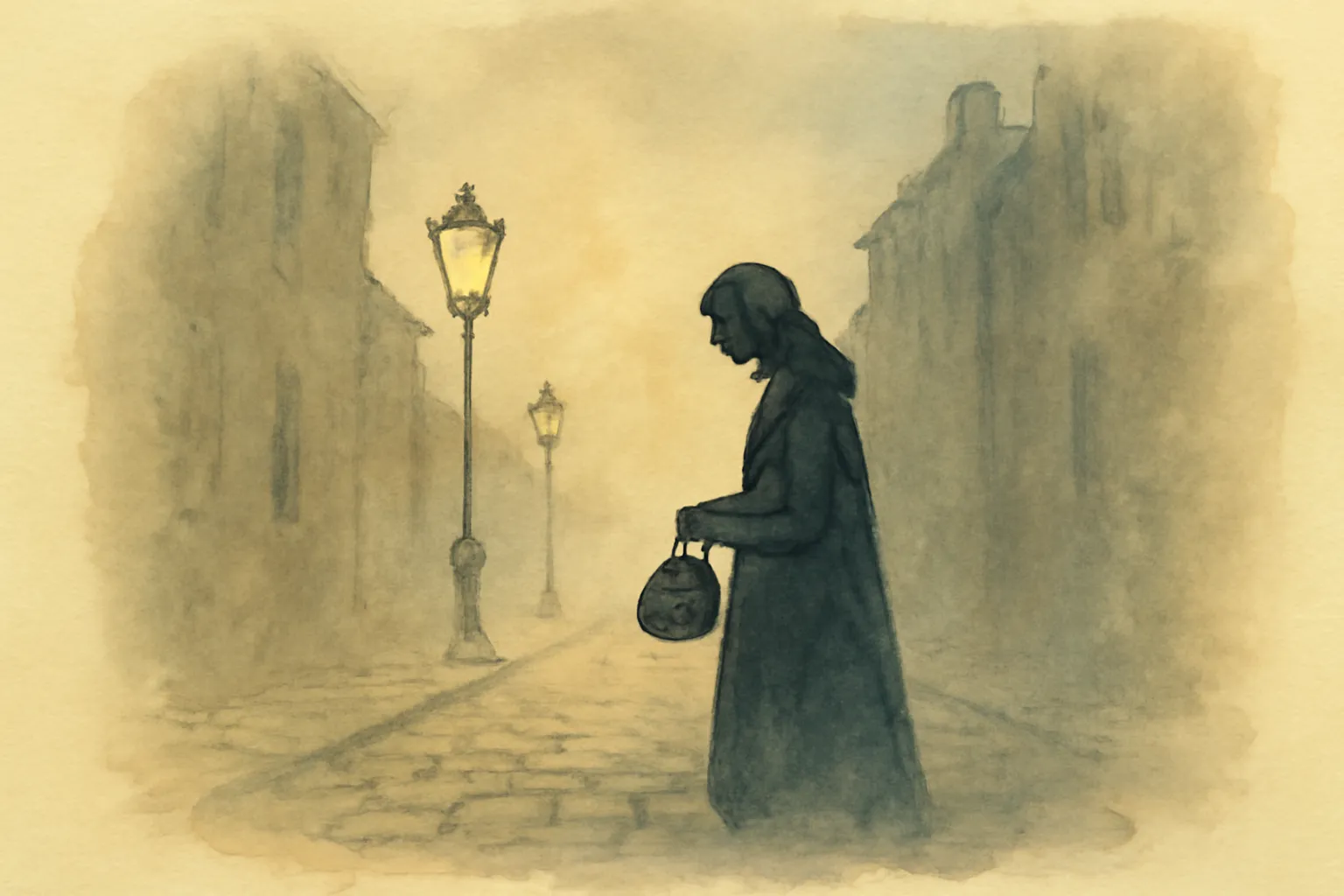
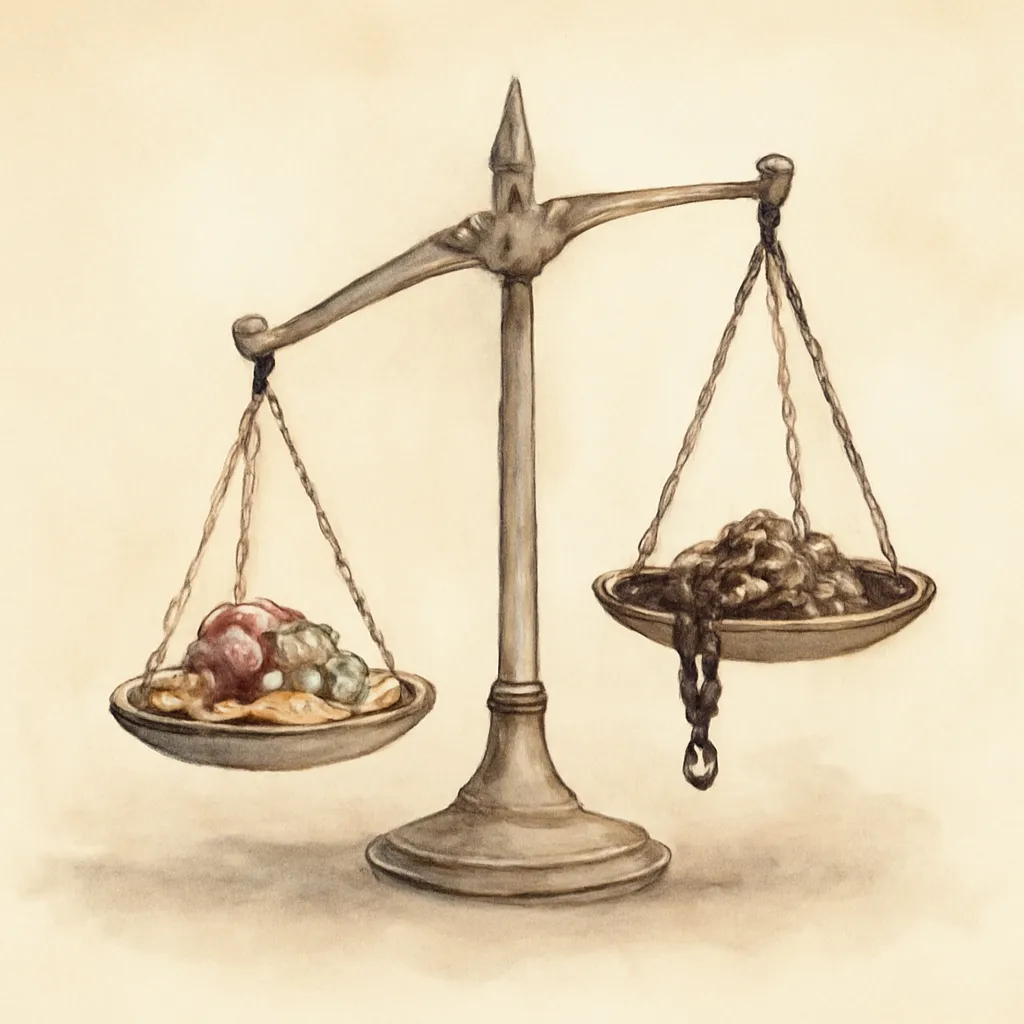
Moll Flanders is emblematic of the struggles faced by women in a patriarchal society. Born in prison, she is immediately marked by her origins, which foreshadow a life of hardship. Throughout her narrative, Moll's worth is often tied to her beauty and ability to secure a wealthy husband, illustrating how women's identities were largely defined by male approval. This notion is reinforced when her mother insists on the importance of marriage for women, emphasizing that without financial security, beauty and virtue are rendered meaningless. Moll's repeated marriages reveal the limited options available to women; she often marries for survival rather than love. Each relationship exposes the transactional nature of gender dynamics, where Moll must navigate her desires while adhering to societal expectations.
2.The Quest for Financial Independence
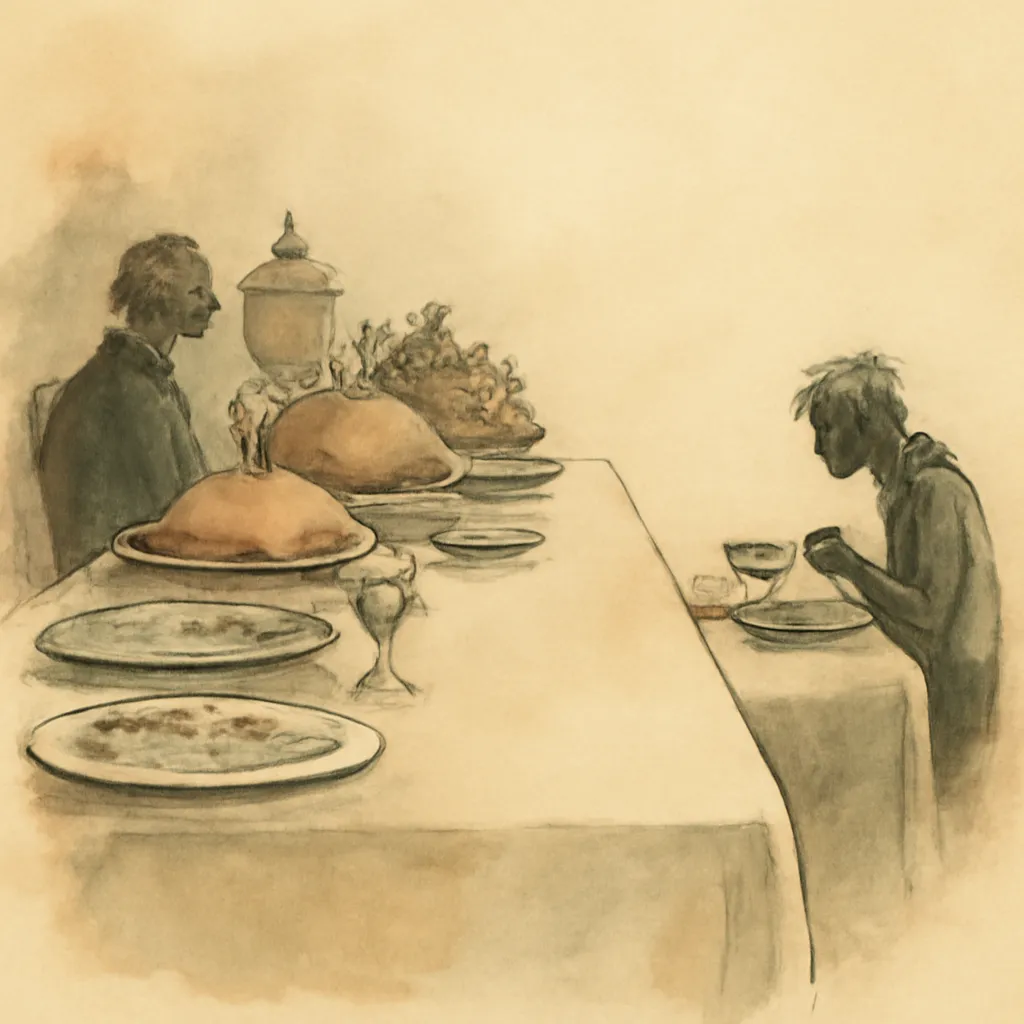
Moll's relentless pursuit of financial independence drives much of her actions throughout the novel. Her marriages, while often steeped in deceit and manipulation, are motivated by a desire to secure her future. Moll's experience reflects the harsh economic realities of the time, where women had few rights and were often left vulnerable. In her various unions, she learns that wealth can offer a semblance of freedom, yet it is precarious and often comes at a moral cost. For instance, her marriage to a gentleman draper provides her with financial security but also entraps her in a web of deceit and betrayal. Moll's actions underscore the lengths to which individuals must go to ensure their survival, raising questions about morality in a world that often prioritizes wealth over virtue.
3.The Role of Deception and Identity
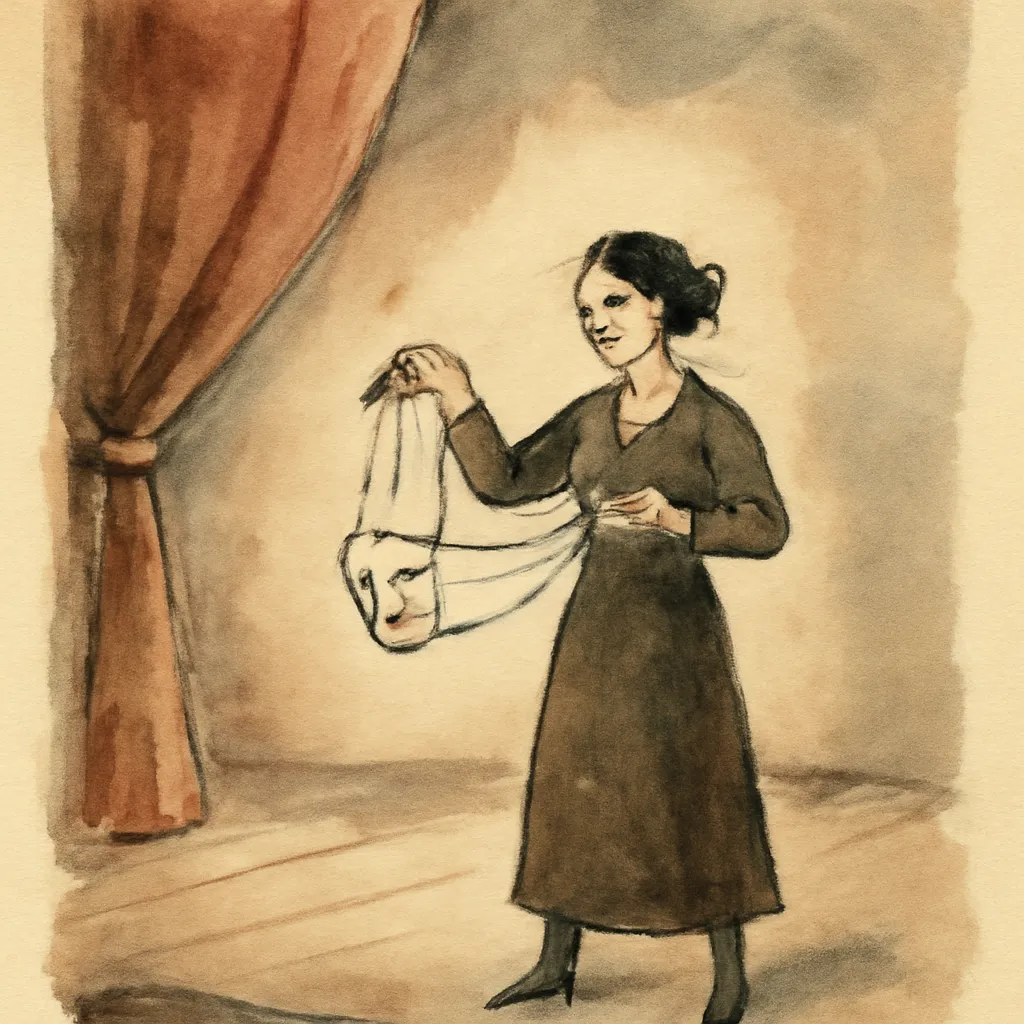
Deception plays a crucial role in Moll's life, shaping her identity and the lives of those around her. From her early days, she learns to manipulate her circumstances, whether by feigning innocence or crafting elaborate stories to gain favor. This theme of deception extends to her relationships, where she often misrepresents herself to secure a better future. Moll's ability to adapt her identity based on her surroundings highlights the fluid nature of self-perception and societal roles. For instance, when she disguises herself as a widow to escape her past, she embodies the struggle for reinvention in a world that constantly labels her. This manipulation of identity raises questions about authenticity and the societal pressures that compel individuals to conform to expected roles.
4.Moral Ambiguity and Redemption
Moll's journey is steeped in moral ambiguity, forcing readers to confront the complexities of right and wrong in a harsh world. Her actions—ranging from theft to manipulation—challenge traditional notions of morality, leading to a nuanced portrayal of her character. While she often resorts to immoral means to achieve her ends, Moll remains relatable in her desires for love, security, and happiness. This duality presents a compelling exploration of redemption; despite her past, Moll seeks to reform herself and live honestly by the end of her story. Her eventual repentance and desire for a better life illustrate the human capacity for change, even when shaped by a tumultuous past. Defoe invites readers to consider the circumstances that drive individuals to moral compromise, prompting reflections on compassion and understanding.
5.The Impact of Social Class
Social class is a pervasive theme throughout Moll's narrative, influencing her relationships and opportunities. The novel presents a stark contrast between the wealthy and the impoverished, revealing how class dictates one's fate. Moll's interactions with various characters—from noblemen to thieves—highlight the complexities of social mobility and the barriers that exist. Despite her cunning and resourcefulness, Moll often finds herself trapped by her social status, illustrating the limitations imposed by class. For instance, her marriage to a gentleman is marred by the expectations and prejudices of the upper class, forcing her to navigate a world where her worth is constantly questioned. Defoe critiques the class system by showcasing Moll's struggles, ultimately suggesting that one's circumstances do not define their character or potential.
6.The Complexity of Love and Relationships
Moll's relationships are marked by complexity, revealing the multifaceted nature of love in her world. Each of her marriages and affairs serves a specific purpose, often intertwining love with financial necessity. Defoe portrays love as both a source of joy and a catalyst for betrayal, complicating Moll's understanding of intimacy. For instance, her love for her children is genuine, yet it is often overshadowed by her desire for security. Additionally, Moll's relationships with men reflect a blend of affection and manipulation, as she learns to navigate their expectations while pursuing her own goals. This exploration of love challenges conventional ideals, suggesting that in a world driven by economic survival, emotional connections are often transactional. The novel ultimately prompts readers to reflect on the nature of love and its entanglements in a society that commodifies relationships.
7.The Power of Narrative and Storytelling
Moll's story is a testament to the power of narrative in shaping identity and experience. As she recounts her life, she not only reflects on her past but also reclaims her agency through storytelling. The act of narrating her experiences allows Moll to assert control over her narrative, presenting herself as both victim and survivor. This self-authorship is significant in an era where women's voices were often marginalized. Defoe employs Moll's perspective to challenge societal norms, giving readers insight into her thoughts and motivations. Her storytelling becomes a means of empowerment, as she navigates a world that seeks to define her. Through Moll's voice, Defoe underscores the importance of personal narrative in understanding one's place in society and the complexities of human experience.
8.The Consequences of a Life of Crime
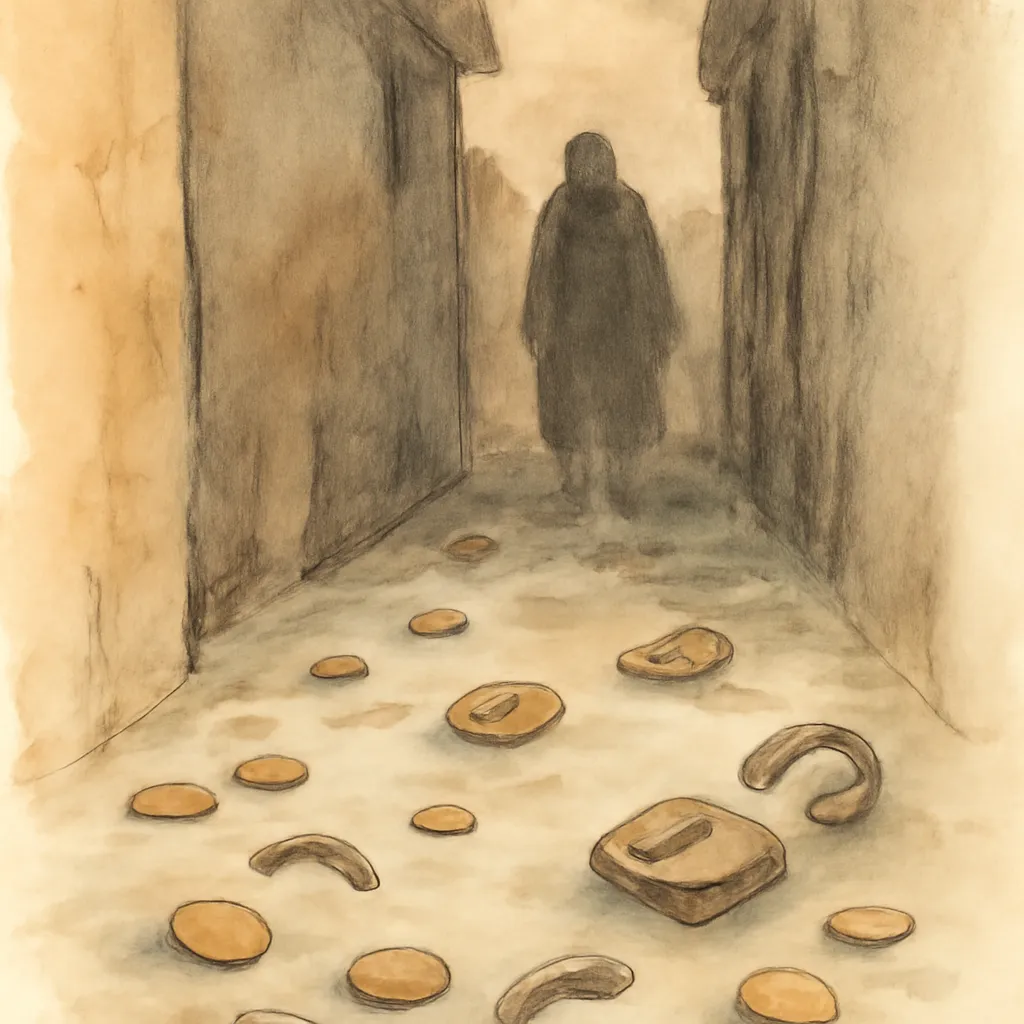
Moll's life of crime serves as a crucial backdrop for exploring the consequences of her choices. As she engages in theft and deception, she grapples with the repercussions of her actions, both on herself and those around her. The novel illustrates the precariousness of a criminal lifestyle, where moments of success are often followed by danger and loss. Moll's encounters with the law and her eventual imprisonment highlight the risks inherent in her decisions, forcing her to confront the moral implications of her behavior. Defoe does not shy away from depicting the harsh realities of crime, portraying it as a double-edged sword that offers both opportunity and peril. This examination of crime raises questions about justice, punishment, and the societal structures that drive individuals to desperation, ultimately challenging readers to consider the complexities of human behavior.
9.The Search for Personal Identity
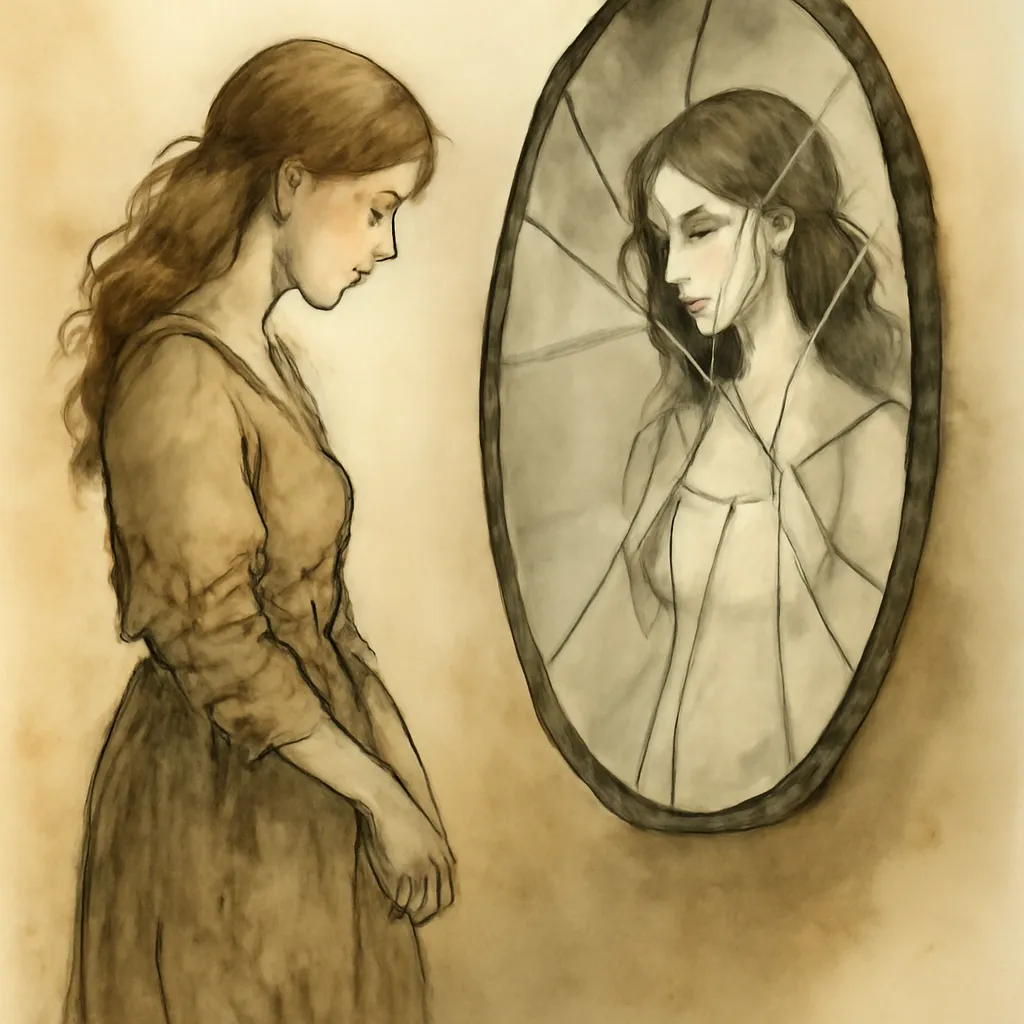
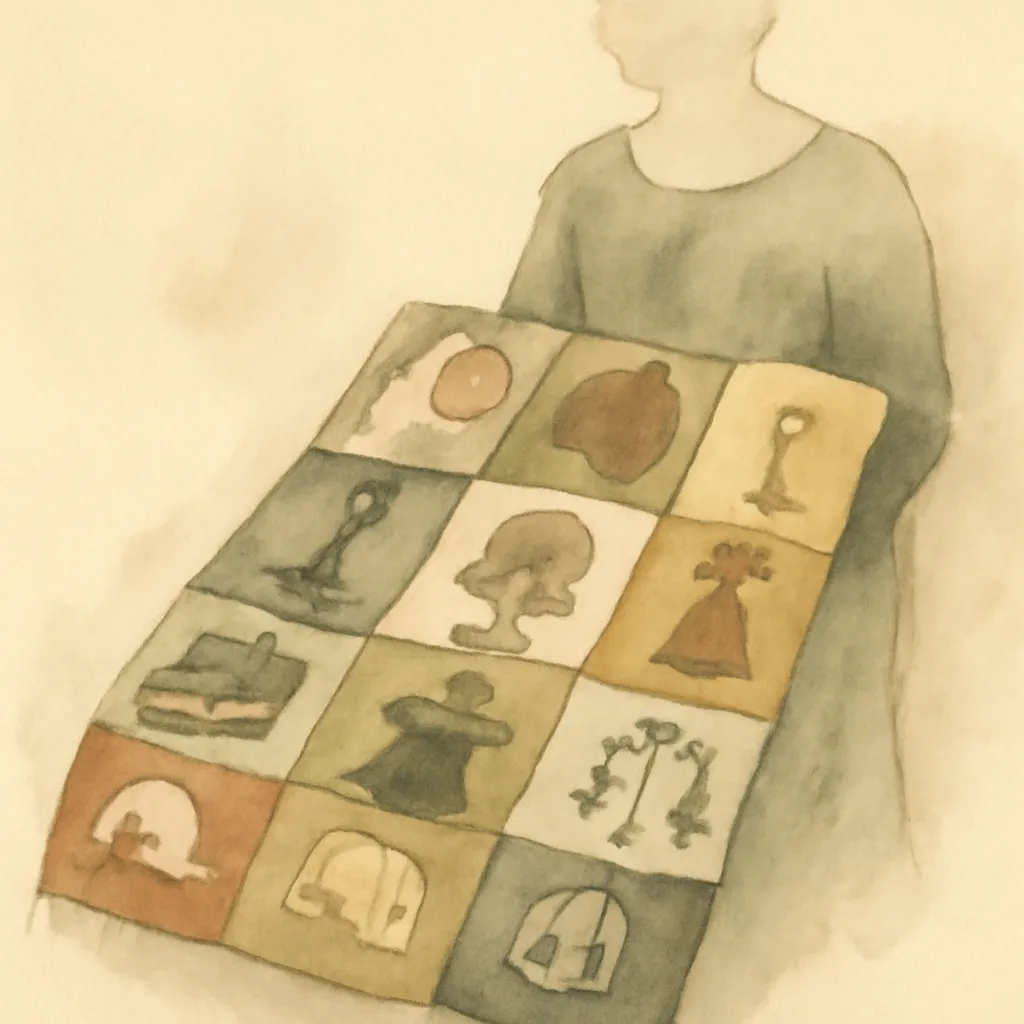
Moll Flanders' quest for personal identity is a central theme that resonates throughout the narrative. As she navigates her various roles—daughter, wife, mother, and thief—Moll grapples with the conflicting expectations placed upon her by society. Her transformations highlight the struggle for self-definition in an environment that often seeks to confine her. Moll's journey reflects the broader search for identity among women of her time, as they navigated societal constraints while striving for autonomy. The tension between her desires and societal norms creates a rich landscape for exploration, as Moll ultimately seeks to reconcile her past with her aspirations for the future. Through her evolution, Defoe emphasizes the importance of self-discovery and the complexities of identity formation, encouraging readers to reflect on their own journeys of self-definition.