

Immigrants, united states · Poor · Poverty
Nickel and Dimed by Barbara Ehrenreich — Summary, Key Ideas & Quotes
2001242 pages✦ 3-min Big ideas★ 3.6 (26)
Rate it
The author's experience holding low-wage jobs in three parts of the U.S. in the late 1990s.
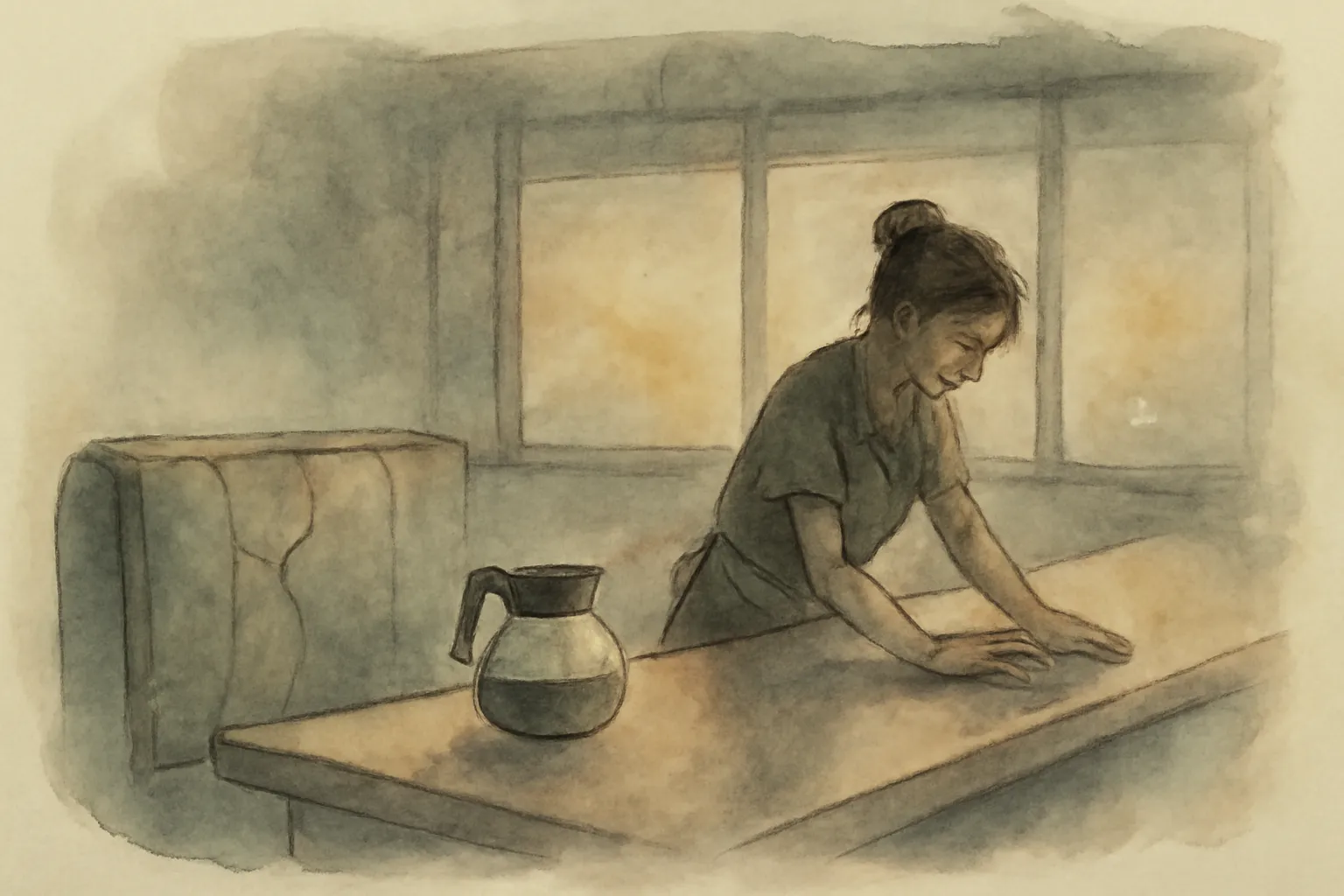
Ehrenreich’s firsthand experiences reveal that full-time, low-wage work rarely provides enough to cover even basic living expenses. Despite working multiple jobs, she finds herself unable to afford decent housing, healthcare, or nutritious food. The book dismantles the notion that hard work alone guarantees economic security, exposing the gap between minimum wage and a true living wage.
Nickel and Dimed highlights how society undervalues essential jobs—such as waitressing, cleaning, and retail—despite their physical and emotional demands. Ehrenreich shows that these workers are often invisible to those they serve, and their contributions are taken for granted, even as they form the backbone of the economy.
“What you don't necessarily realize when you start selling your time by the hour is that what you're really selling is your life.”
“There are no secret economies that nourish the poor; on the contrary, there are a host of special costs.”