1.The Myth of the Living Wage
Ehrenreich’s firsthand experiences reveal that full-time, low-wage work rarely provides enough to cover even basic living expenses. Despite working multiple jobs, she finds herself unable to afford decent housing, healthcare, or nutritious food. The book dismantles the notion that hard work alone guarantees economic security, exposing the gap between minimum wage and a true living wage.
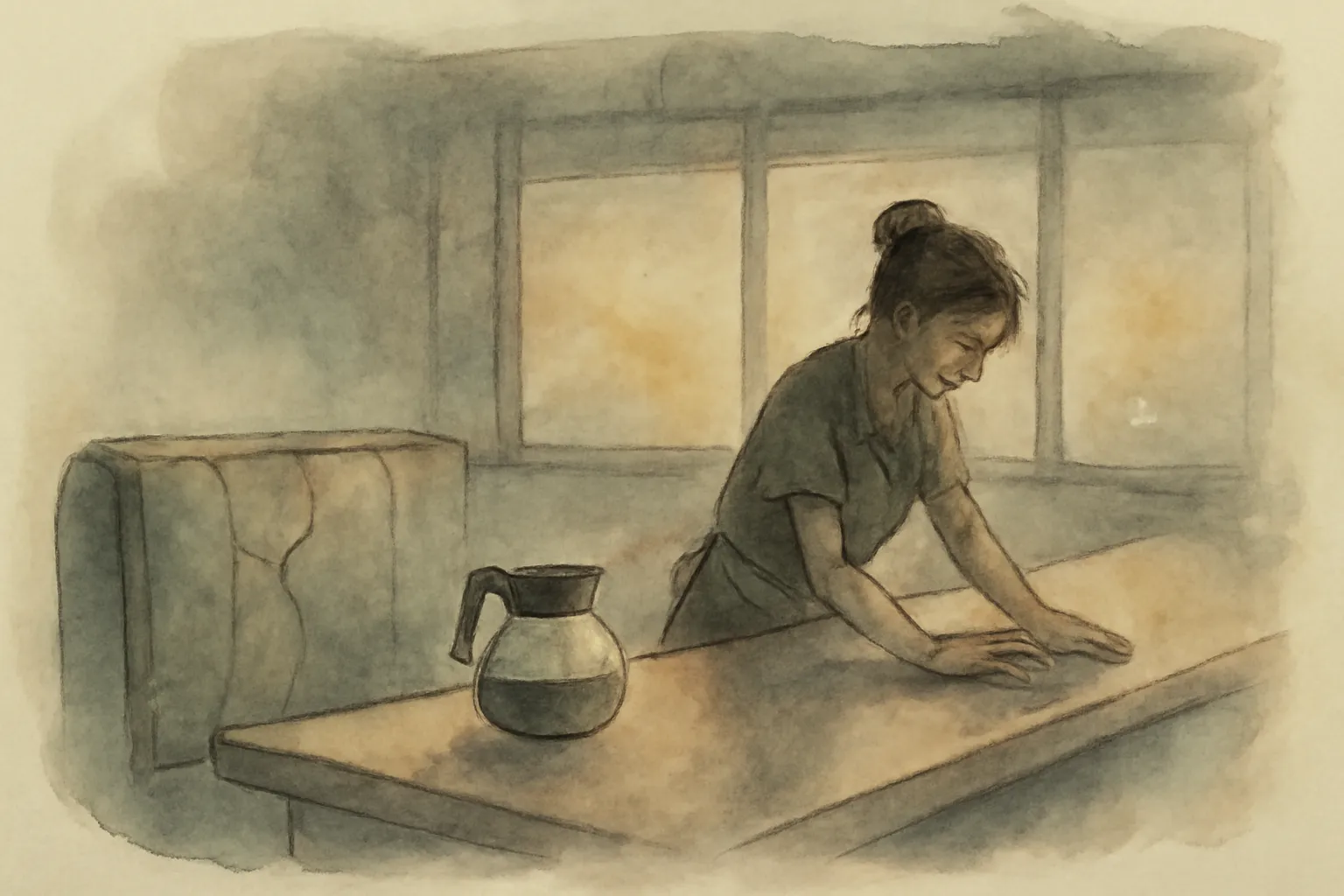
2.Invisible Labor and Social Value
Nickel and Dimed highlights how society undervalues essential jobs—such as waitressing, cleaning, and retail—despite their physical and emotional demands. Ehrenreich shows that these workers are often invisible to those they serve, and their contributions are taken for granted, even as they form the backbone of the economy.
3.Barriers Beyond Wages
The book details obstacles that go beyond low pay: lack of affordable housing, unreliable transportation, and the high cost of health care. Ehrenreich encounters rigid workplace rules, drug tests, and dehumanizing management practices, all of which compound the struggle to get ahead. These systemic barriers make escaping poverty far more difficult than commonly assumed.
4.The Psychological Toll of Poverty
Ehrenreich describes the constant stress, exhaustion, and indignity endured by low-wage workers. The need to juggle multiple jobs, the fear of missing rent, and the lack of respect from employers and customers all take a mental and emotional toll. The book argues that poverty is not just a financial condition but a state that erodes dignity and hope.
5.Challenging Stereotypes About the Poor
By immersing herself in these jobs, Ehrenreich confronts stereotypes about laziness or irresponsibility among the poor. She finds her coworkers to be hardworking, resourceful, and resilient, often working far harder than those in higher-paying positions. The book calls into question the moral judgments society places on the working poor.
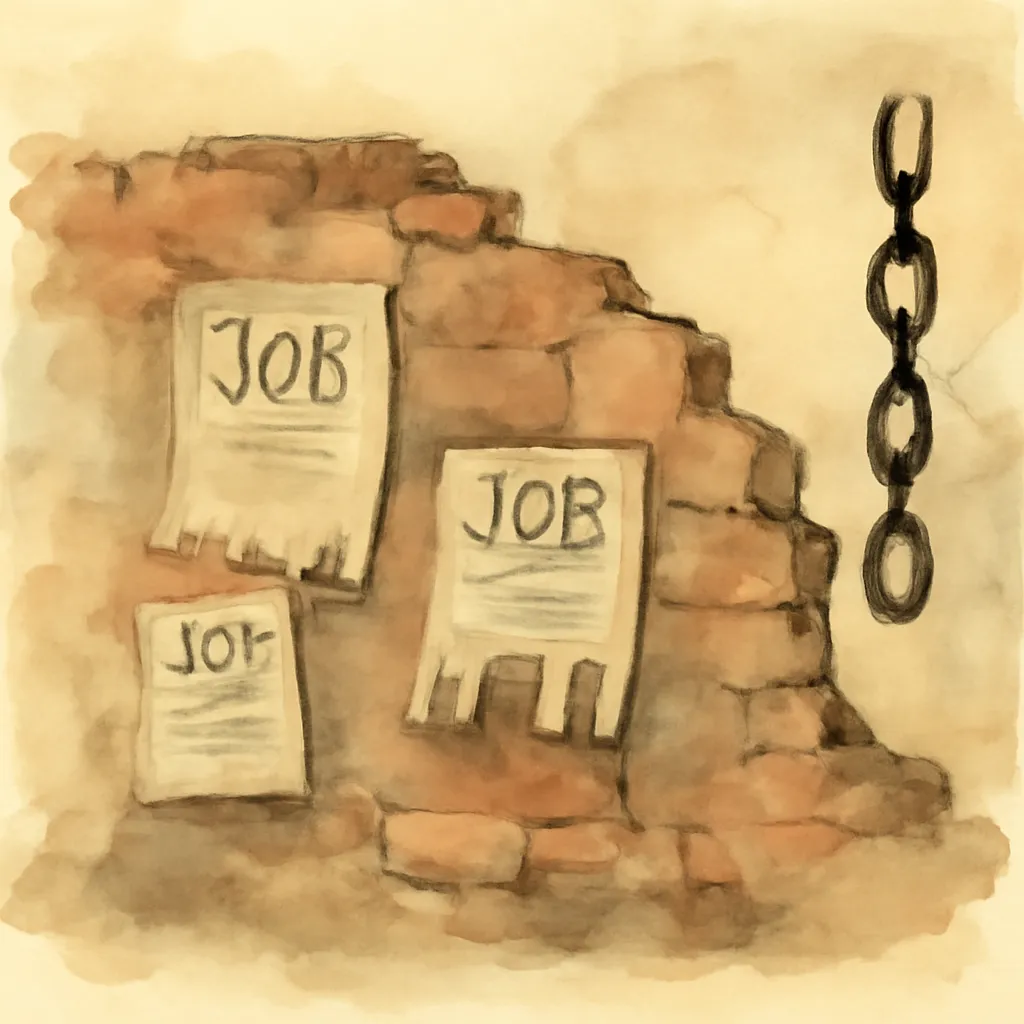
6.Structural Critique of the American Economy
Nickel and Dimed is not just a memoir but a critique of the economic and policy structures that perpetuate poverty. Ehrenreich argues that low-wage work is not a stepping stone to better opportunities for most, but a trap reinforced by inadequate labor protections and social safety nets. She calls for systemic change rather than individual blame.