Student · Theaterwissenschaft · Liebesbeziehung
Norwegian Wood by Haruki Murakami — Summary, Key Ideas & Quotes
1987389 pages✦ 3-min Big ideas★ 3.9 (122)
Rate it
As his plane lands at a European airport, thirty-seven-year-old Toru Watanabe casually hears an old Beatles song. Suddenly, the music transports him back to his youth, to the turbulent Tokyo of the late sixties. He then remembers, with melancholy and unease, the unstable and mysterious Naoko, the girlfriend of his best—and only—friend from adolescence, Kizuki, and how Kizuki's suicide distanced them for a year until they reunited at university. There, they began an intimate relationship, which was soon cut short by Naoko’s fragile mental health, leading to her admission to a rest center. Shortly afterward, Watanabe fell in love with Midori, a lively and determined young woman. Indecisive and plagued by fears, Watanabe experienced only bewilderment and disillusionment in the very areas where everything was supposed to make sense: sex, love, and death. The unbearable situation led him to seek a delicate balance between his hopes and the need to find his place in the world. Mientras su avión aterriza en un aeropuerto europeo, Toru Watanabe, de treinta y siete años, escucha casualmente una vieja canción de los Beatles: de pronto, la música le hace retroceder a su juventud, al turbulento Tokio de finales de los sesenta. Recuerda entonces, con melancolía y desasosiego, a la inestable y misteriosa Naoko, la novia de su mejor -y único- amigo de la adolescencia, Kizuki, y cómo el suicidio de éste les distanció durante un año, hasta que se reencontraron en la universidad. Iniciaron allí una relación íntima, truncada, sin embargo, por la frágil salud mental de Naoko, a quien hubo que internar en un centro de reposo. Al poco, Watanabe se enamoró de Midori, una joven activa y resuelta. Indeciso, acosado por los temores, Watanabe sólo experimentaba el deslumbramiento y el desengaño allá donde todo debía cobrar sentido: el sexo, el amor y la muerte. La insostenible situación le llevó entonces a intentar alcanzar el delicado equilibrio entre sus esperanzas y la necesidad de encontrar su lugar en el mundo.
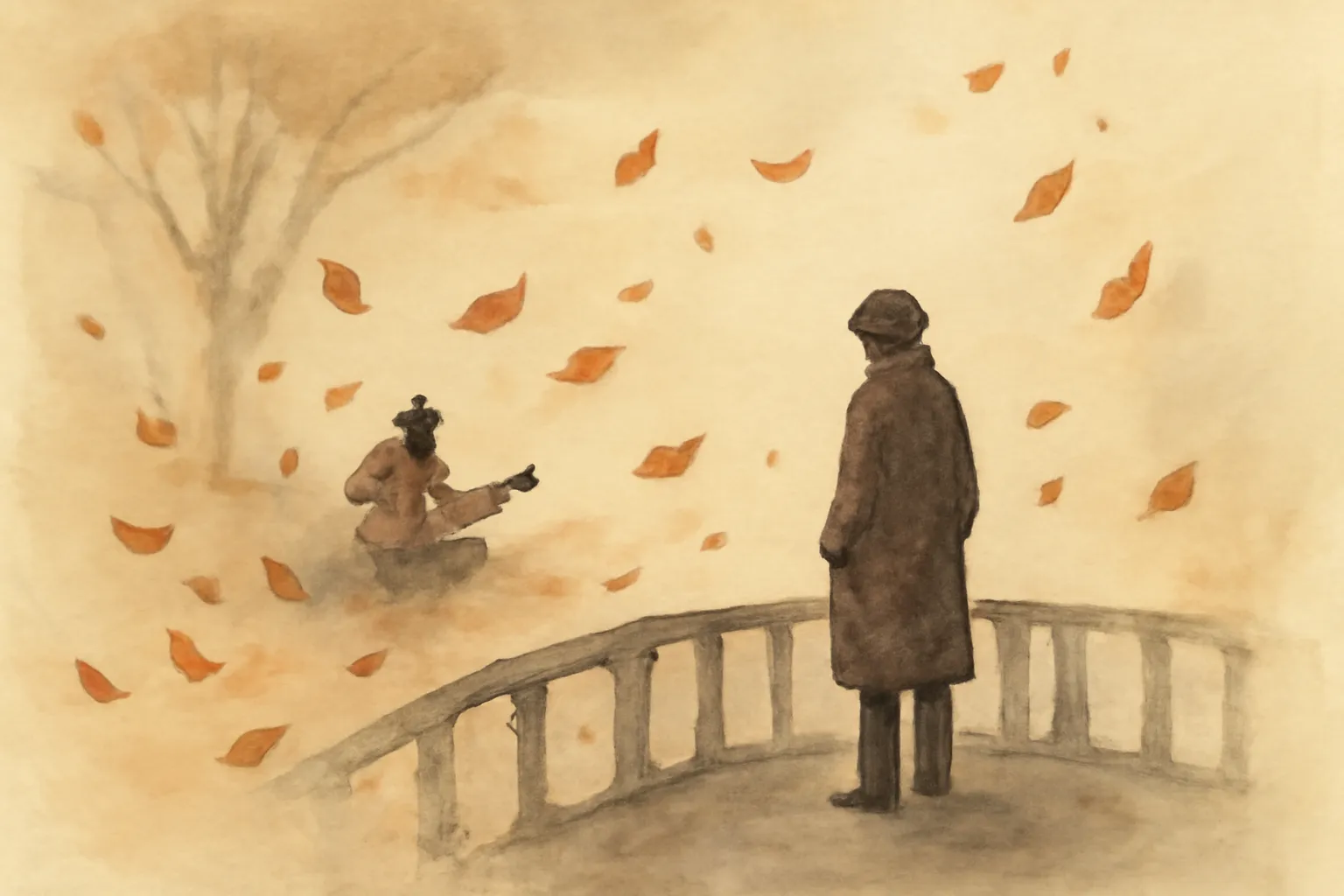
The novel is framed by Toru Watanabe’s recollections, triggered by a Beatles song, which underscores how memory shapes our sense of self. The past is not merely a backdrop but a living presence, coloring Toru’s every relationship and decision. Murakami uses nostalgia not as comfort, but as a force that brings both beauty and pain, showing how the act of remembering can be as destabilizing as it is necessary for growth.
Norwegian Wood delves into the fragile nature of love, especially when intertwined with trauma and loss. The relationships between Toru, Naoko, and Midori are marked by longing and uncertainty, revealing how love can be both a source of healing and a trigger for deeper wounds. Murakami presents intimacy as a double-edged sword, capable of offering solace but also exposing vulnerabilities that are difficult to mend.
“Death is not the opposite of life, but a part of it.”
“If you only read the books that everyone else is reading, you can only think what everyone else is thinking.”
“I want you always to remember me. Will you remember that I existed, and that I stood next to you here like this?”