

Anthropology · Anthropologie
On the Nature of Human Nature by Jesse David Jennings — Summary, Key Ideas & Quotes
1966510 pages✦ 3-min Big ideas
Rate it
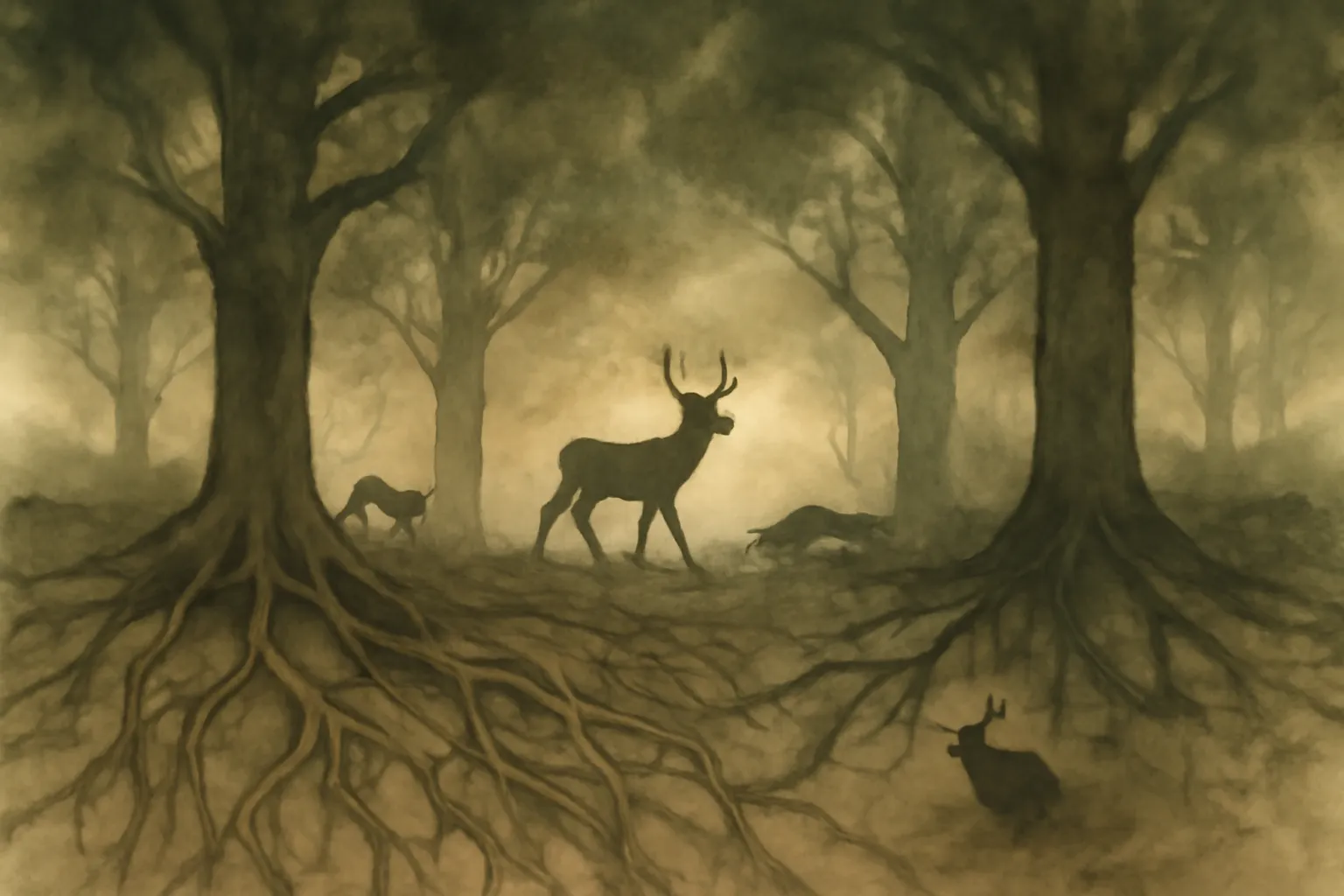
Jennings argues that human nature is not a fixed essence but the result of evolutionary processes. He emphasizes that our behaviors, emotions, and social structures are deeply rooted in our biological heritage. By situating humanity within the continuum of animal life, he challenges the notion of a sharp divide between humans and other species, suggesting that much of what we consider uniquely human—such as cooperation, aggression, and even morality—has analogs in the animal world.
While acknowledging our biological inheritance, Jennings places equal weight on the transformative power of culture. He explores how cultural institutions, traditions, and learned behaviors can override or redirect biological impulses. This dual emphasis on nature and nurture leads to a nuanced view: human beings are both products of their genes and their environments, and understanding ourselves requires examining the interplay between these forces.