
Anthropology · Ethnologie · Ethnology
Structural Anthropology by Claude Lévi-Strauss — Summary, Key Ideas & Quotes
1900433 pages✦ 3-min Big ideas★ 4.0 (2)
Rate it
Lévi-Strauss is not only one of the extremely few scholars of sufficient distinction to be able to say, without presumption, what social anthropology is about; but he has also actually demonstrated...that he is pre-eminently worth listening to. He does not simply practice social anthropology, he makes exciting and original contributions to it. This book provides an introduction to his distinctive approach to anthropology as the study of a science of general principles. The now renowned "structural method," which has changed the face of social anthropology, views man and society in terms of universals--kinship, social organization, religion and mythology, and art.
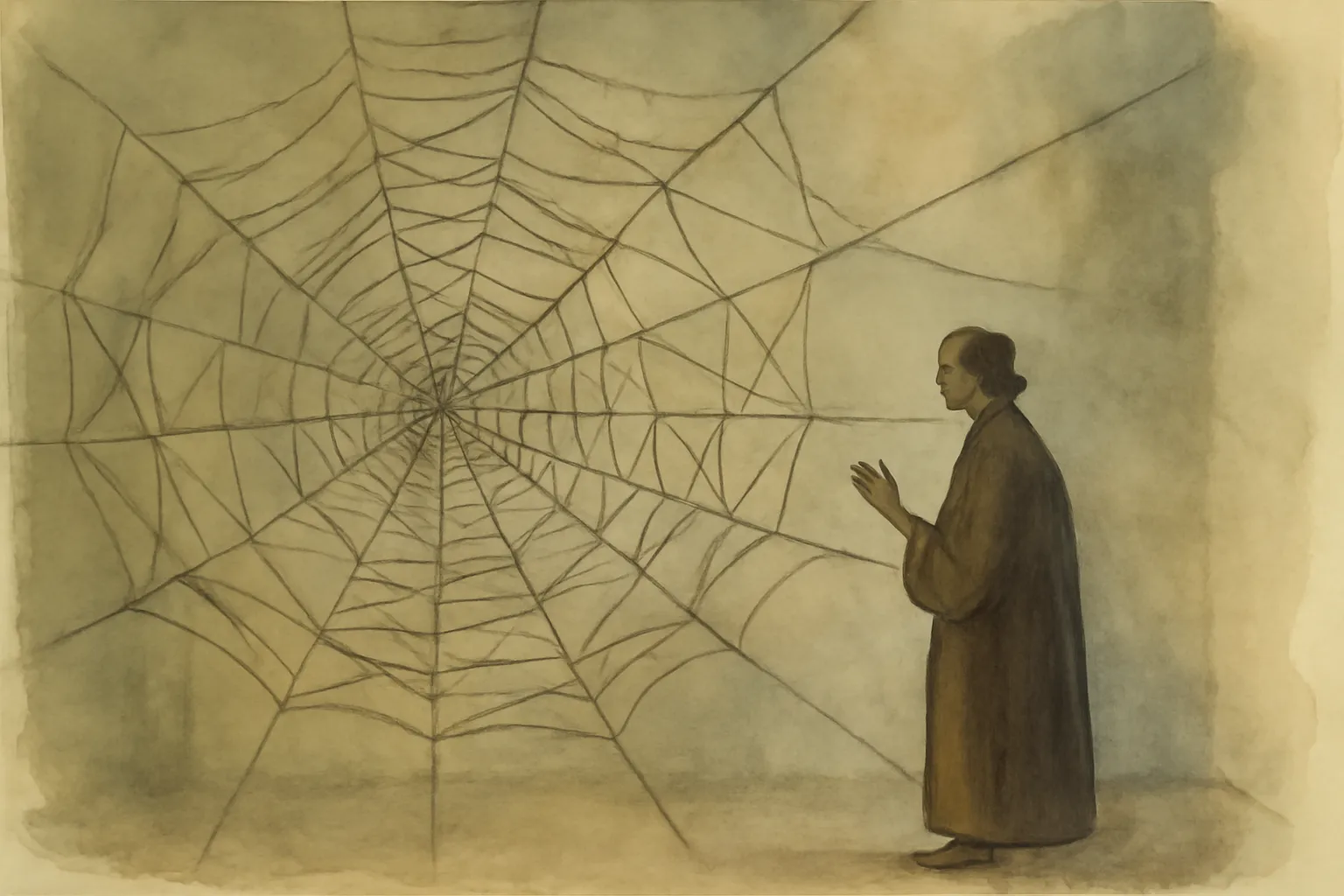
Lévi-Strauss argues that human cultures, despite their surface differences, are governed by underlying structures—rules and patterns that shape social life, language, myths, and kinship systems. Drawing inspiration from linguistics, he proposes that these structures are not consciously designed but emerge from the unconscious workings of the human mind. By analyzing these deep patterns, anthropologists can reveal the universal logic that organizes cultural phenomena.
One of Lévi-Strauss’s most influential ideas is that myths operate like languages, with their own grammar and syntax. Myths from different cultures may tell different stories, but they are constructed from a limited set of elements arranged in systematic ways. By breaking down myths into their constituent parts (mythemes), Lévi-Strauss shows how they express universal human concerns and oppositions, such as life and death, nature and culture.
“The scientist is not a person who gives the right answers, he’s one who asks the right questions.”
“Myth is language: to be known, myth has to be told; it is a part of human speech.”