1.The Structural Method
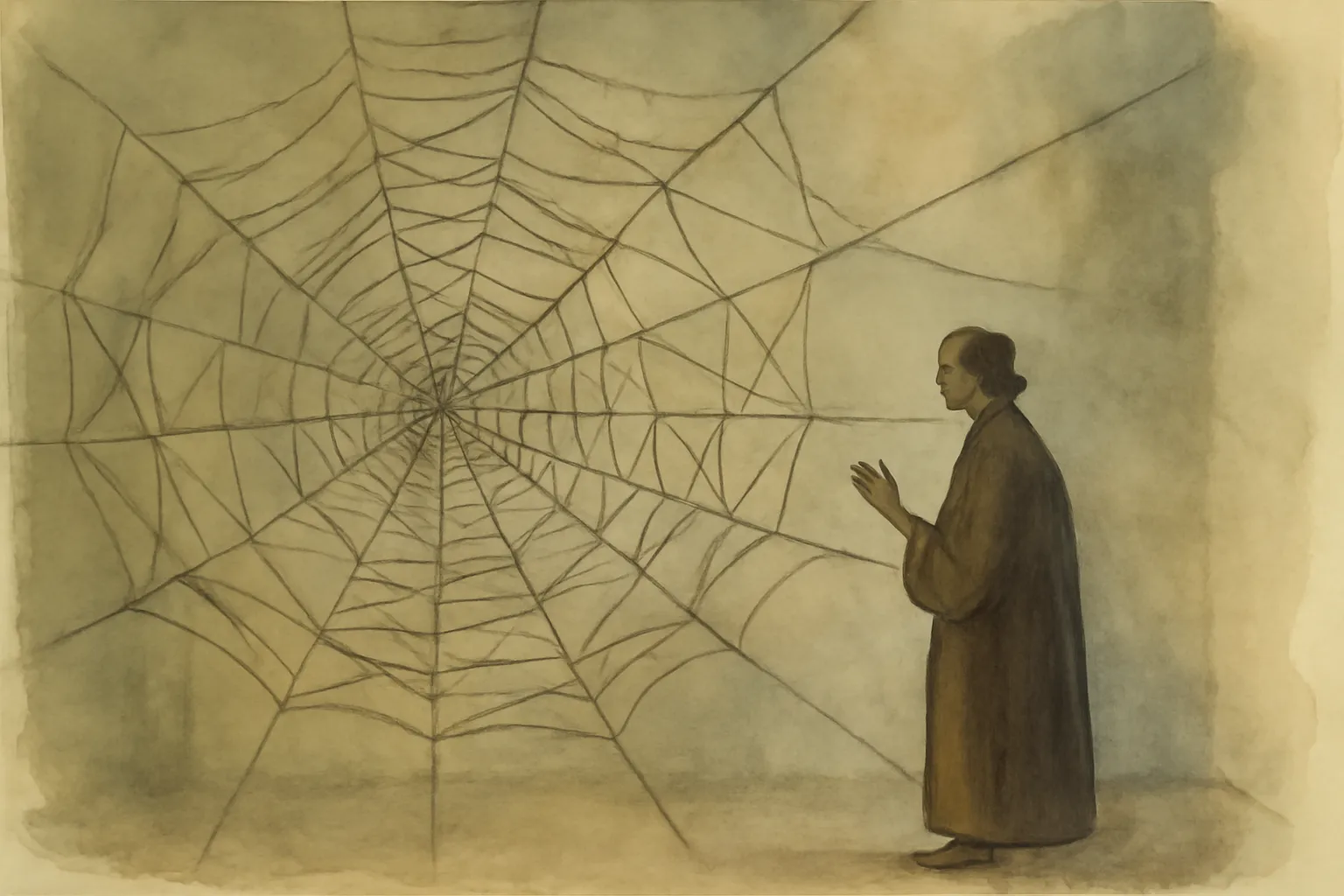
Lévi-Strauss argues that human cultures, despite their surface differences, are governed by underlying structures—rules and patterns that shape social life, language, myths, and kinship systems. Drawing inspiration from linguistics, he proposes that these structures are not consciously designed but emerge from the unconscious workings of the human mind. By analyzing these deep patterns, anthropologists can reveal the universal logic that organizes cultural phenomena.
2.Myth as a Language
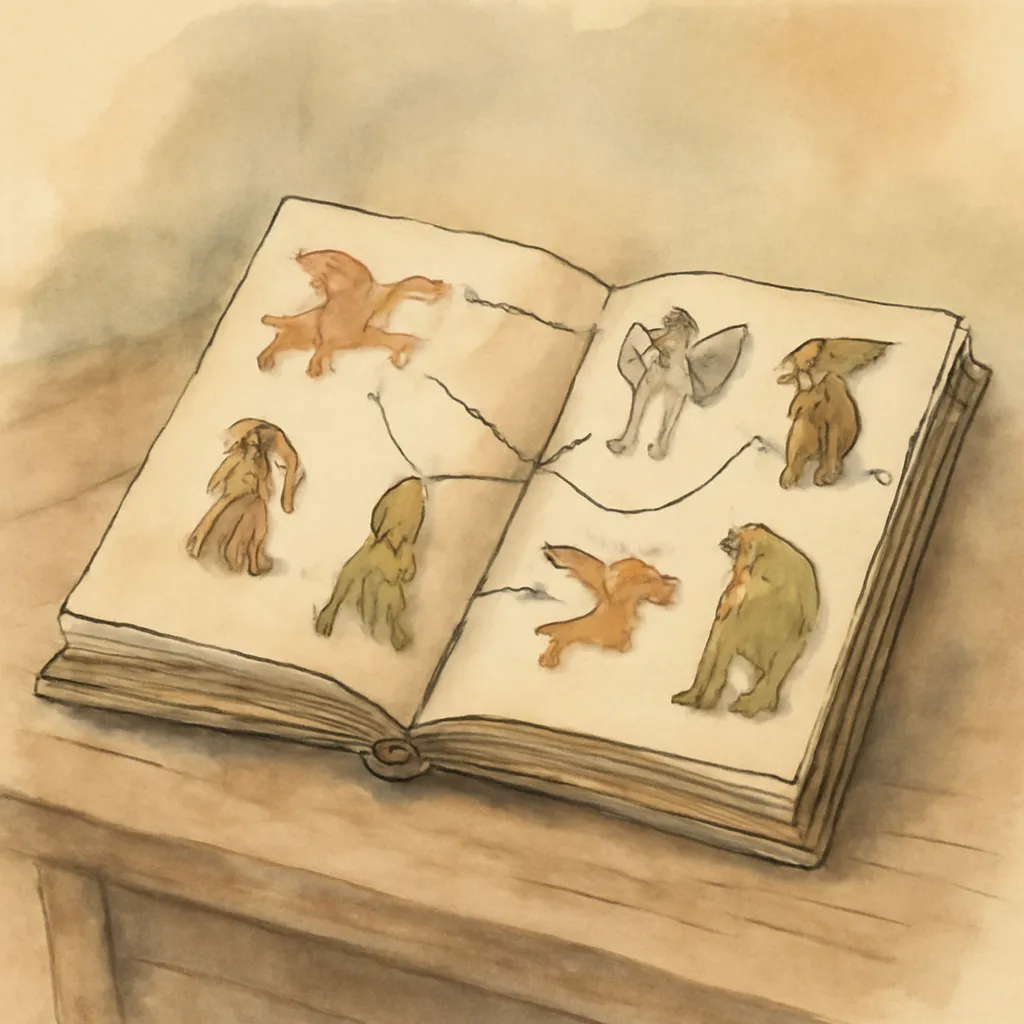
One of Lévi-Strauss’s most influential ideas is that myths operate like languages, with their own grammar and syntax. Myths from different cultures may tell different stories, but they are constructed from a limited set of elements arranged in systematic ways. By breaking down myths into their constituent parts (mythemes), Lévi-Strauss shows how they express universal human concerns and oppositions, such as life and death, nature and culture.
3.Binary Oppositions
A central concept in Structural Anthropology is the idea of binary oppositions—pairs of contrasting elements (such as raw/cooked, nature/culture, male/female) that structure human thought. Lévi-Strauss contends that the human mind organizes experience through these oppositions, which are reflected in myths, rituals, and social organization. Understanding these binaries helps anthropologists decode the logic of cultural systems.
4.Kinship Systems as Structures
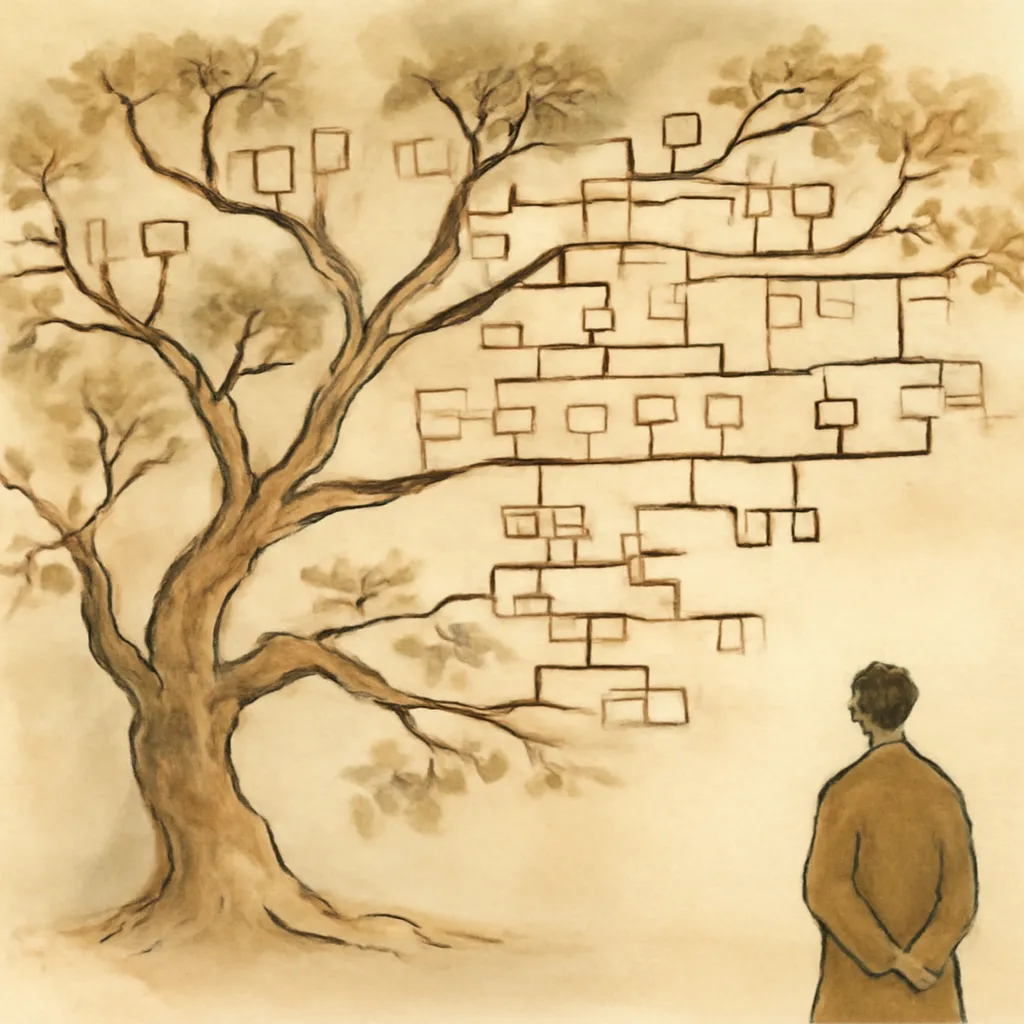
Lévi-Strauss revolutionized the study of kinship by suggesting that marriage rules and family relations are not arbitrary but follow deep structural patterns. He analyzes how different societies organize kinship and exchange, arguing that these systems reveal universal principles about alliance, reciprocity, and social cohesion. This approach moves beyond cataloging customs to uncovering the logic that underpins them.
5.Anthropology as a Science of the Unconscious
For Lévi-Strauss, anthropology is not just about cataloging cultural differences but about uncovering the unconscious structures that shape all human societies. He treats anthropology as a science akin to linguistics or psychoanalysis, seeking the underlying rules that govern thought and behavior. This approach challenges earlier views that saw cultures as wholly unique or incomprehensible to outsiders.
6.Critique of Ethnocentrism
Lévi-Strauss’s method implicitly critiques ethnocentrism by showing that all cultures are built from the same mental processes. By focusing on universal structures rather than superficial differences, he argues for a more scientific and less judgmental understanding of cultural diversity. This has had a lasting impact on how anthropologists approach the study of 'other' societies.