

Anthropology · Culture · Personality
The Invention of Culture by Roy Wagner — Summary, Key Ideas & Quotes
1975168 pages✦ 3-min Big ideas
Rate it
"In anthropology, a field that is known for its critical edge and intellectual agility, few books manage to maintain both historical value and contemporary relevance. Roy Wagner's The Invention of Culture, originally published in 1975, is one. Wagner breaks new ground by arguing that culture arises from the dialectic between the individual and the social world. Rooting his analysis in the relationships between invention and convention, innovation and control, and meaning and context, he builds a theory that insists on the importance of creativity, placing people-as-inventors at the heart of the process that creates culture. In an elegant twist, he shows that this very process ultimately produces the discipline of anthropology itself. Tim Ingold's foreword to the new edition captures the exhilaration of Wagner's book while showing how the reader can journey through it and arrive safely--though transformed--on the other side" -- From the publisher.
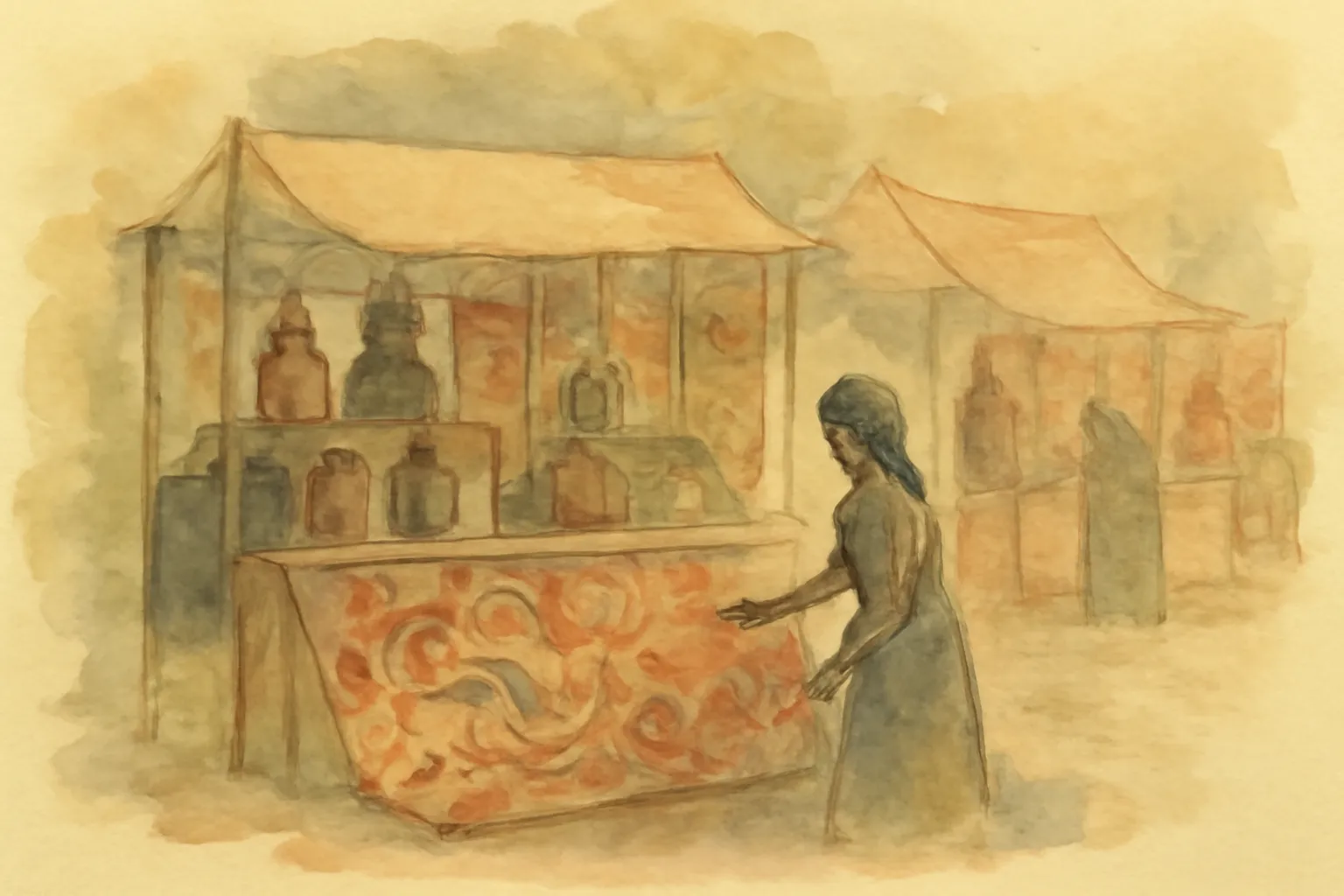
Wagner challenges the traditional anthropological view that cultures are 'out there' to be discovered. Instead, he argues that culture is invented through the ways people interpret, negotiate, and make sense of their world. This invention is not just a matter of creativity, but also of necessity—people must constantly adapt and reinterpret meanings to navigate social life. Thus, culture is a dynamic process, not a fixed set of customs or beliefs.
At the heart of Wagner's theory is the tension between convention (the established, shared ways of doing things) and invention (the creative, individual acts that modify or subvert those conventions). Culture emerges from this ongoing dialectic: individuals invent new meanings or practices, which may then become conventionalized over time. This process ensures that culture is always in flux, shaped by both stability and change.
“Culture is the name for what people are interested in, their thoughts, their models, the books they read and the speeches they hear.”
“The invention of culture is the invention of the invention.”