Arts · Arts and society · Arts audiences
Can There Be a Sociology of the Arts? by Pierre Bourdieu — Summary, Key Ideas & Quotes
1993323 pages✦ 3-min Big ideas★ 0.0
Rate it
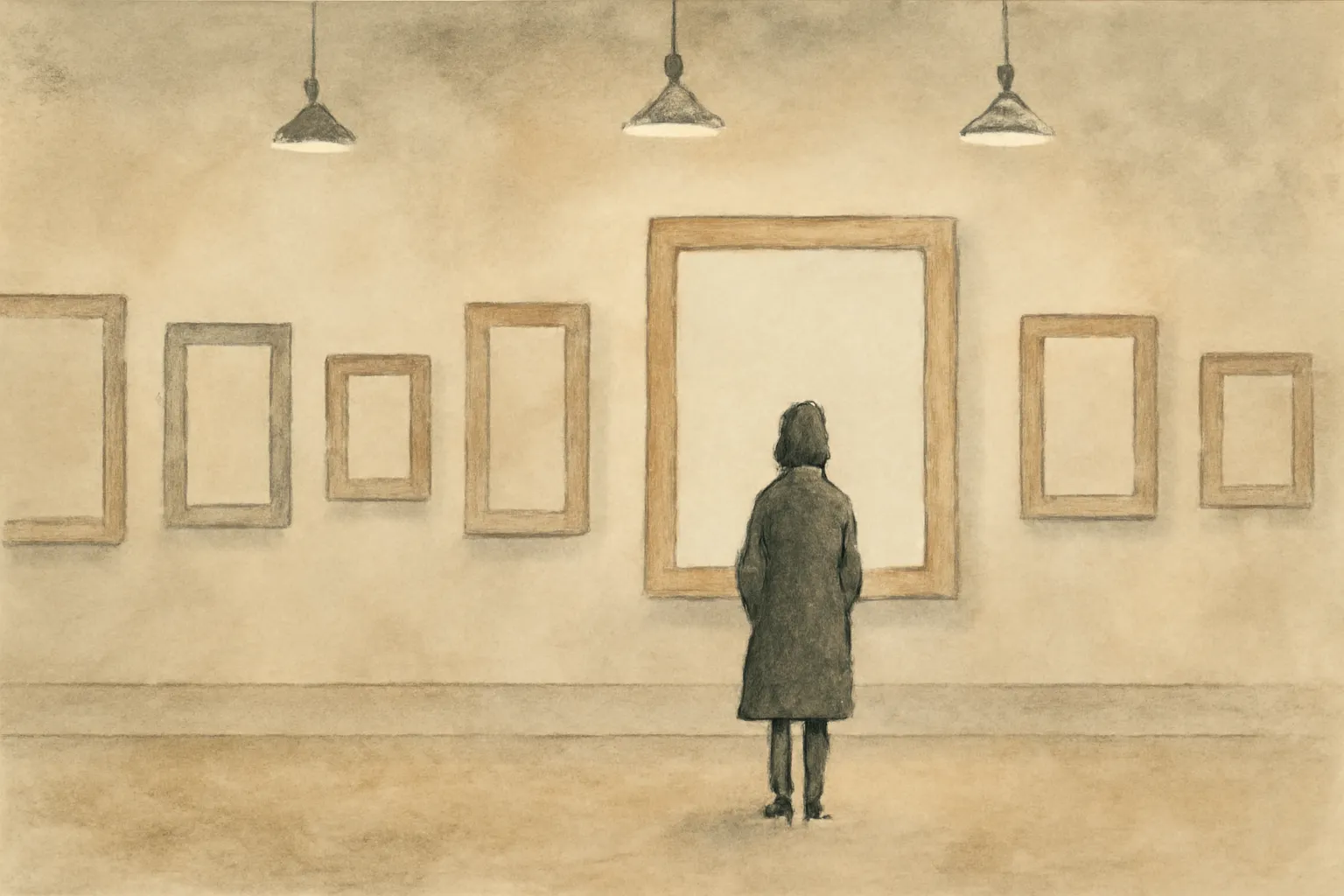
Bourdieu begins by scrutinizing the traditional separation between the study of art and the methods of sociology. He argues that the arts have long been treated as autonomous, governed by their own internal rules and immune to sociological analysis. Bourdieu pushes back on this, suggesting that the boundaries are artificial and that art is deeply embedded in social structures. This challenges readers to reconsider the legitimacy of sociological approaches to art, and to recognize the ways in which artistic production, distribution, and reception are all shaped by broader social forces.
A central idea in the essay is that what counts as 'art'—and what is considered valuable or worthy of attention—is not inherent in the work itself, but is constructed through social processes. Bourdieu draws attention to the role of institutions, critics, and cultural intermediaries in defining taste and artistic legitimacy. He argues that the value of art is not fixed, but is negotiated within what he famously calls the 'field of cultural production,' where various agents struggle for dominance and recognition.