1.Questioning Disciplinary Boundaries
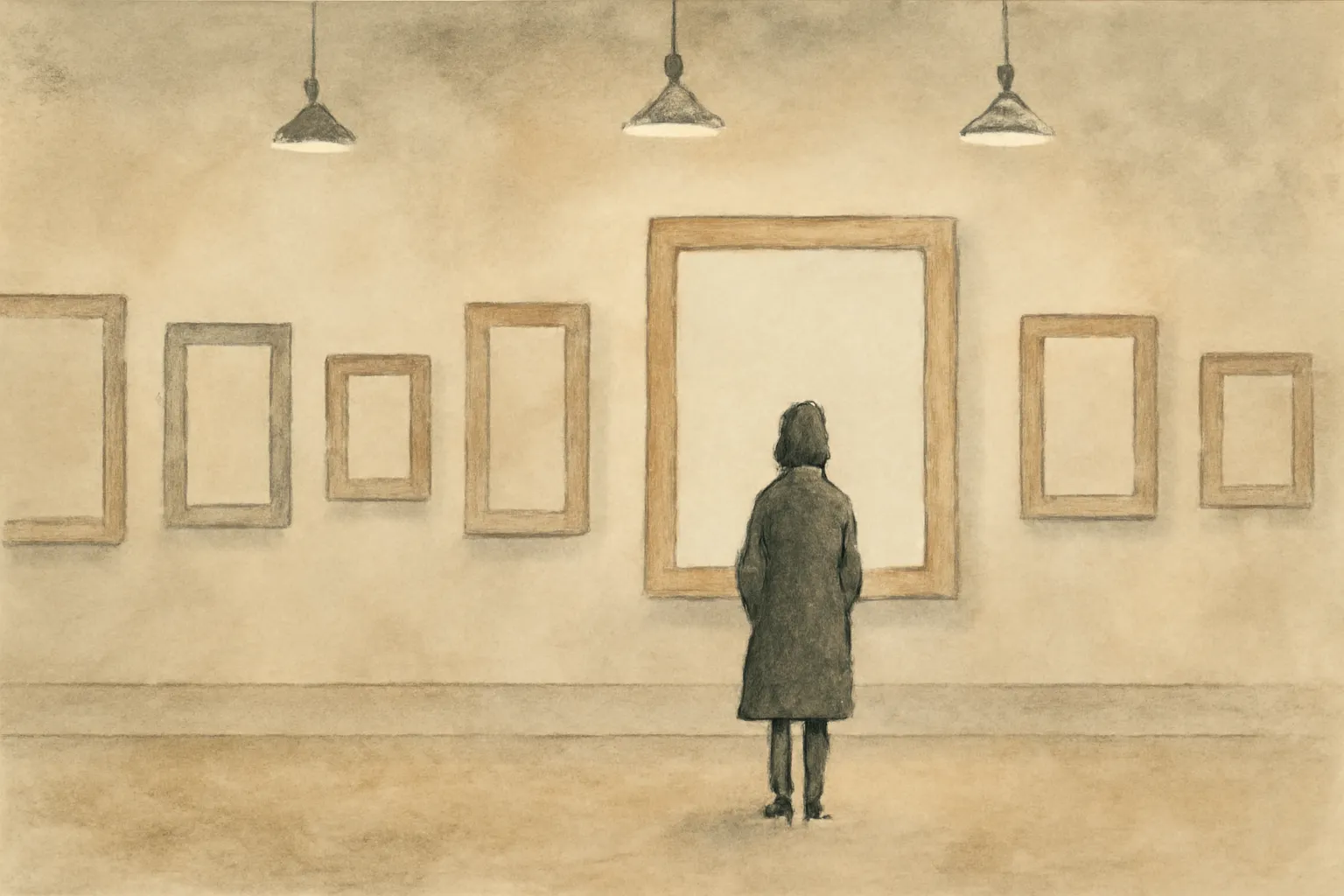
Bourdieu begins by scrutinizing the traditional separation between the study of art and the methods of sociology. He argues that the arts have long been treated as autonomous, governed by their own internal rules and immune to sociological analysis. Bourdieu pushes back on this, suggesting that the boundaries are artificial and that art is deeply embedded in social structures. This challenges readers to reconsider the legitimacy of sociological approaches to art, and to recognize the ways in which artistic production, distribution, and reception are all shaped by broader social forces.
2.The Social Construction of Artistic Value
A central idea in the essay is that what counts as 'art'—and what is considered valuable or worthy of attention—is not inherent in the work itself, but is constructed through social processes. Bourdieu draws attention to the role of institutions, critics, and cultural intermediaries in defining taste and artistic legitimacy. He argues that the value of art is not fixed, but is negotiated within what he famously calls the 'field of cultural production,' where various agents struggle for dominance and recognition.
3.Autonomy Versus Determinism
Bourdieu resists simplistic explanations that see art either as completely autonomous (free from social influence) or as entirely determined by social forces. Instead, he advocates for a nuanced approach that recognizes both the relative autonomy of artistic fields and their embeddedness within power structures. This dialectical perspective is crucial for understanding the complexity of how art operates in society, and it opens up space for a more sophisticated sociology of the arts.
4.The Role of Habitus and Field
Drawing on his broader theoretical framework, Bourdieu introduces the concepts of habitus and field to explain how artists, critics, and audiences navigate the world of art. Habitus refers to the ingrained habits, dispositions, and tastes that individuals acquire through their social experience, while the field is the structured space of positions and relationships in which agents compete. This approach allows Bourdieu to account for both individual agency and structural constraints in the production and appreciation of art.
5.Implications for Art Criticism and Scholarship
Bourdieu's analysis has significant consequences for how we study and talk about art. He warns against both the mystification of artistic genius and the reduction of art to mere social epiphenomenon. Instead, he calls for a reflexive sociology that is aware of its own position and limitations. This approach invites scholars and critics to be more self-critical and to consider how their own judgments are shaped by the very social forces they seek to analyze.
6.Why a Sociology of the Arts Matters
Ultimately, Bourdieu argues that a sociology of the arts is not only possible but necessary for a fuller understanding of both art and society. By situating artistic practices within their social context, we gain insight into the dynamics of power, exclusion, and recognition that shape cultural life. This perspective is especially relevant in an era where the boundaries between high and popular culture, and between different art forms, are increasingly blurred.