

Culturele antropologie · Culture · Ethnology
The Interpretation of Cultures by Clifford Geertz — Summary, Key Ideas & Quotes
1973470 pages✦ 3-min Big ideas★ 4.0 (2)
Rate it
In The Interpretation of Cultures, the most original anthropologist of his generation moved far beyond the traditional confines of his discipline to develop an important new concept of culture. This groundbreaking book, winner of the 1974 Sorokin Award of the American Sociological Association, helped define for an entire generation of anthropologists what their field is ultimately about.
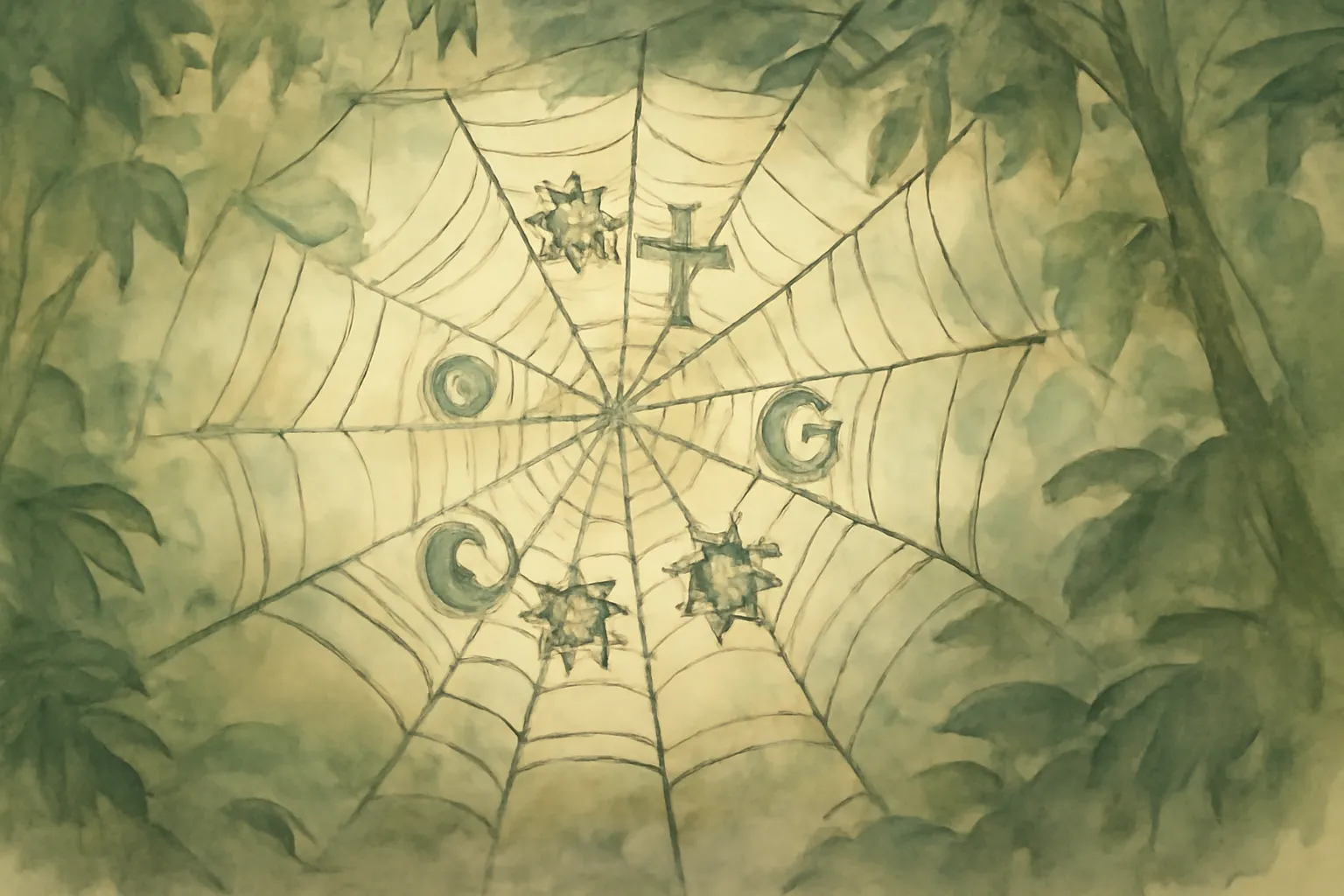
Geertz famously argues that culture is best understood as a 'web of significance' spun by humans themselves. Rather than treating culture as a set of rules or behaviors, he sees it as the shared symbols and meanings that give human life its texture and depth. This approach shifts anthropology from cataloging customs to interpreting the significance behind them, emphasizing that understanding a society requires grasping how its members interpret their own actions.
One of Geertz’s most influential contributions is the concept of 'thick description.' He contends that to truly understand cultural practices, anthropologists must go beyond surface observations and uncover the layers of meaning behind them. For example, a wink is not just a twitch of the eyelid, but a gesture loaded with social significance. 'Thick description' means interpreting not just what people do, but what those actions mean within their cultural context.
“Man is an animal suspended in webs of significance he himself has spun.”
“What we call our data are really our own constructions of other people’s constructions of what they and their compatriots are up to.”