The Rules of Art: Genesis and Structure of the Literary Field by Pierre Bourdieu — Summary, Key Ideas & Quotes
1996✦ 3-min Big ideas
Rate it
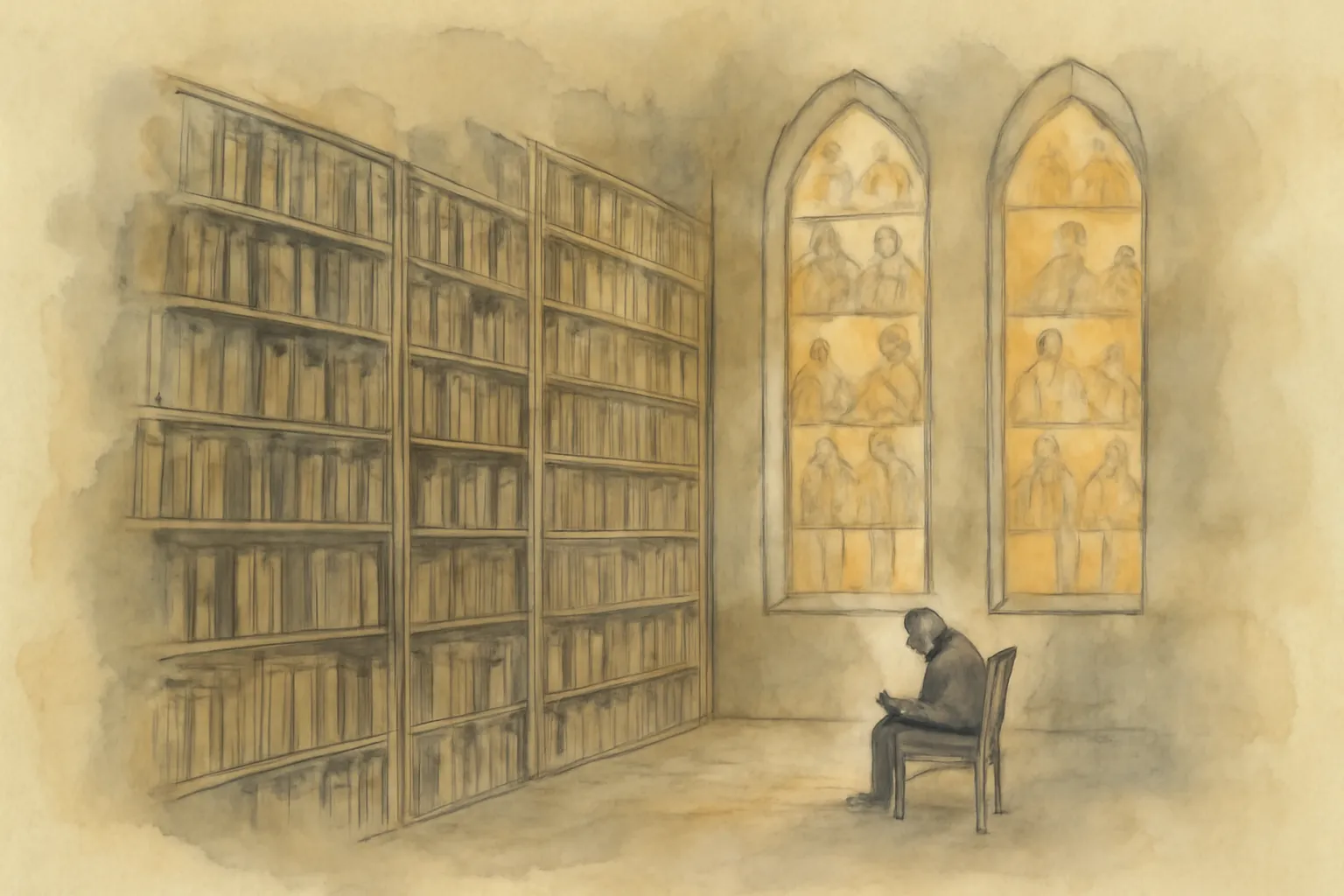
Bourdieu introduces the concept of the 'literary field'—a semi-autonomous social space where writers, critics, publishers, and institutions interact according to their own rules. This field is not simply a collection of individual talents; rather, it is structured by power relations, hierarchies, and struggles for legitimacy. The value of a literary work emerges from these complex interactions, not from isolated acts of genius.
A central tension in the book is between autonomy (art for art’s sake) and heteronomy (art serving external interests, like politics or commerce). Bourdieu shows how the literary field historically fought for autonomy, seeking to define its own standards and resist economic or political pressures. Yet, this autonomy is always precarious and shaped by ongoing social battles.
“The field of cultural production is the site of a competitive struggle in which the specific issue at stake is the monopoly of the power to consecrate, that is, to say with authority who is an artist and what is art.”