1.The Literary Field as a Social Space
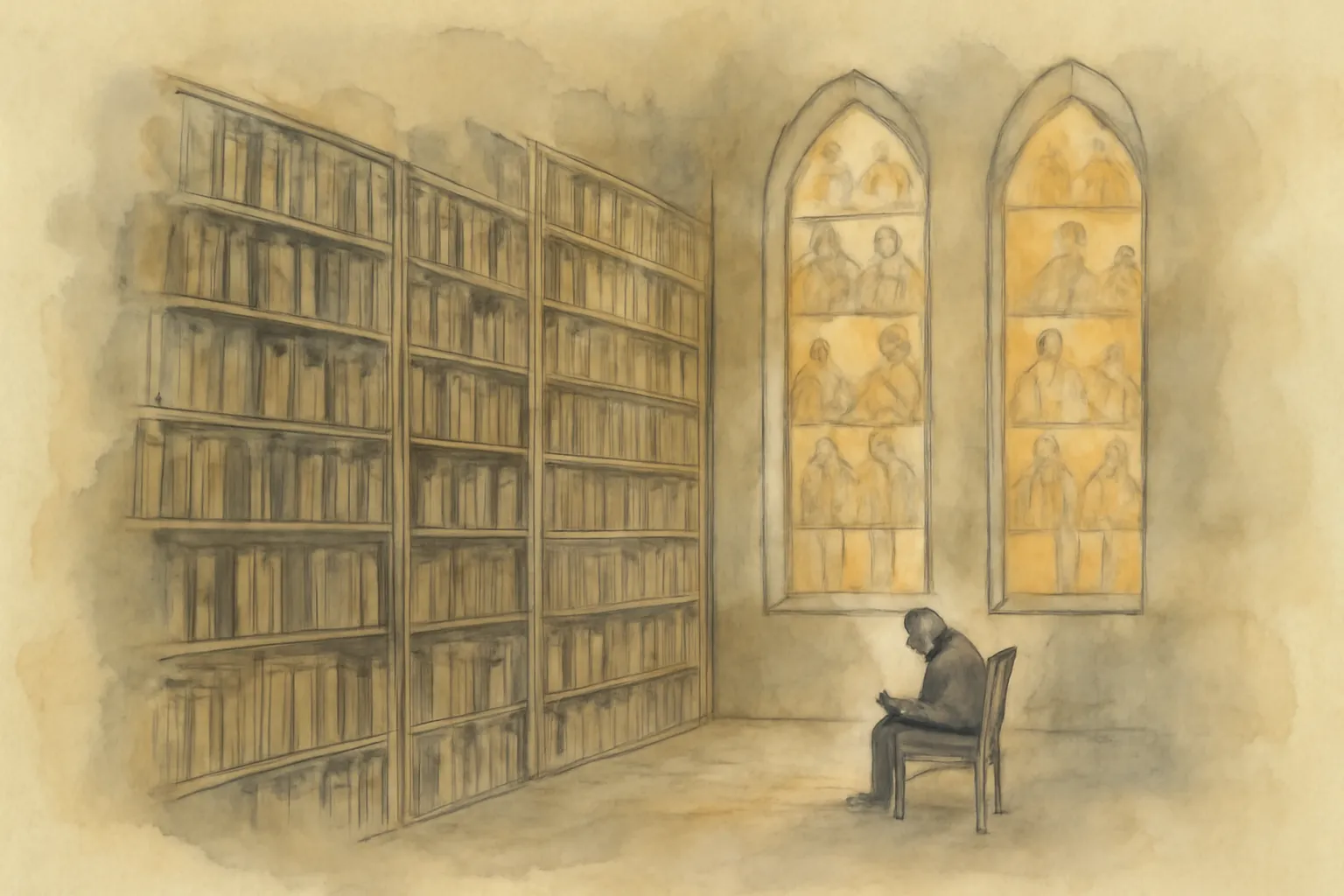
Bourdieu introduces the concept of the 'literary field'—a semi-autonomous social space where writers, critics, publishers, and institutions interact according to their own rules. This field is not simply a collection of individual talents; rather, it is structured by power relations, hierarchies, and struggles for legitimacy. The value of a literary work emerges from these complex interactions, not from isolated acts of genius.
2.Autonomy versus Heteronomy
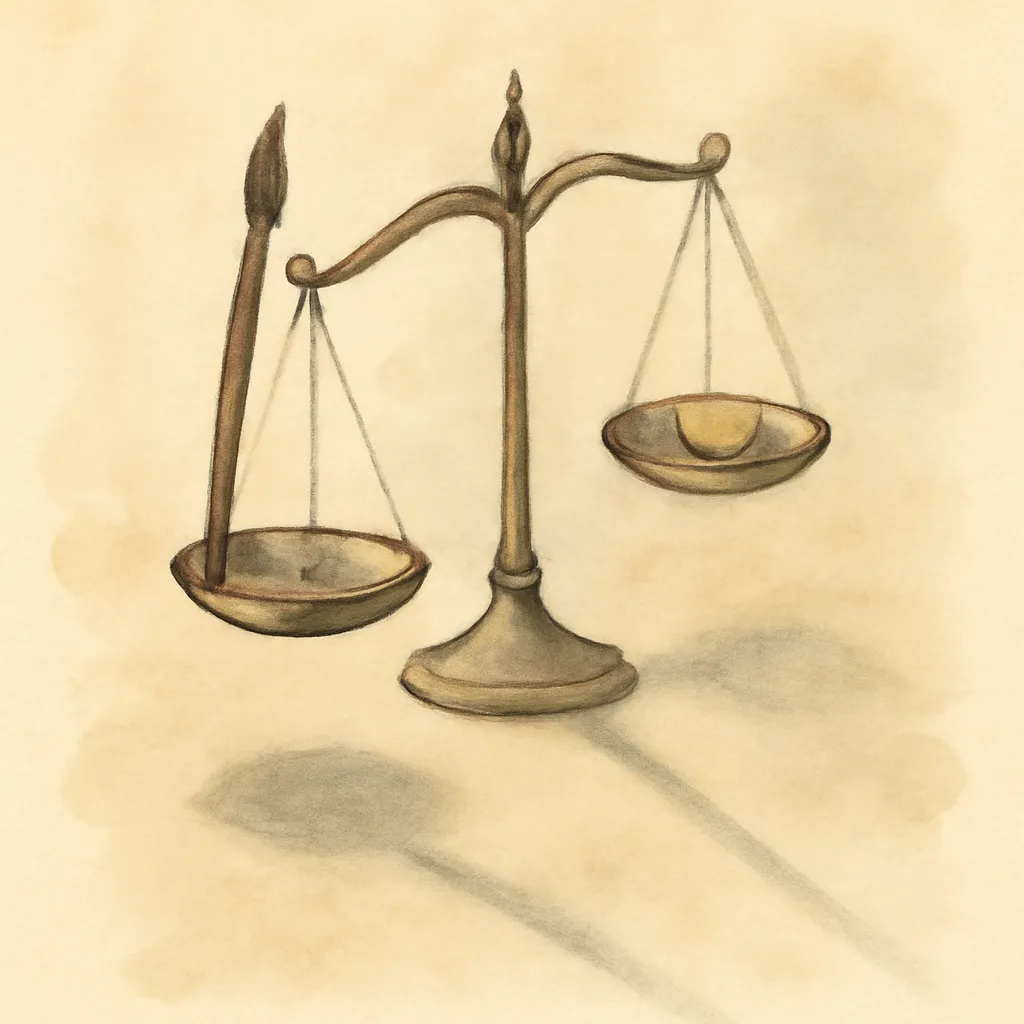
A central tension in the book is between autonomy (art for art’s sake) and heteronomy (art serving external interests, like politics or commerce). Bourdieu shows how the literary field historically fought for autonomy, seeking to define its own standards and resist economic or political pressures. Yet, this autonomy is always precarious and shaped by ongoing social battles.
3.Genesis of the Modern Writer
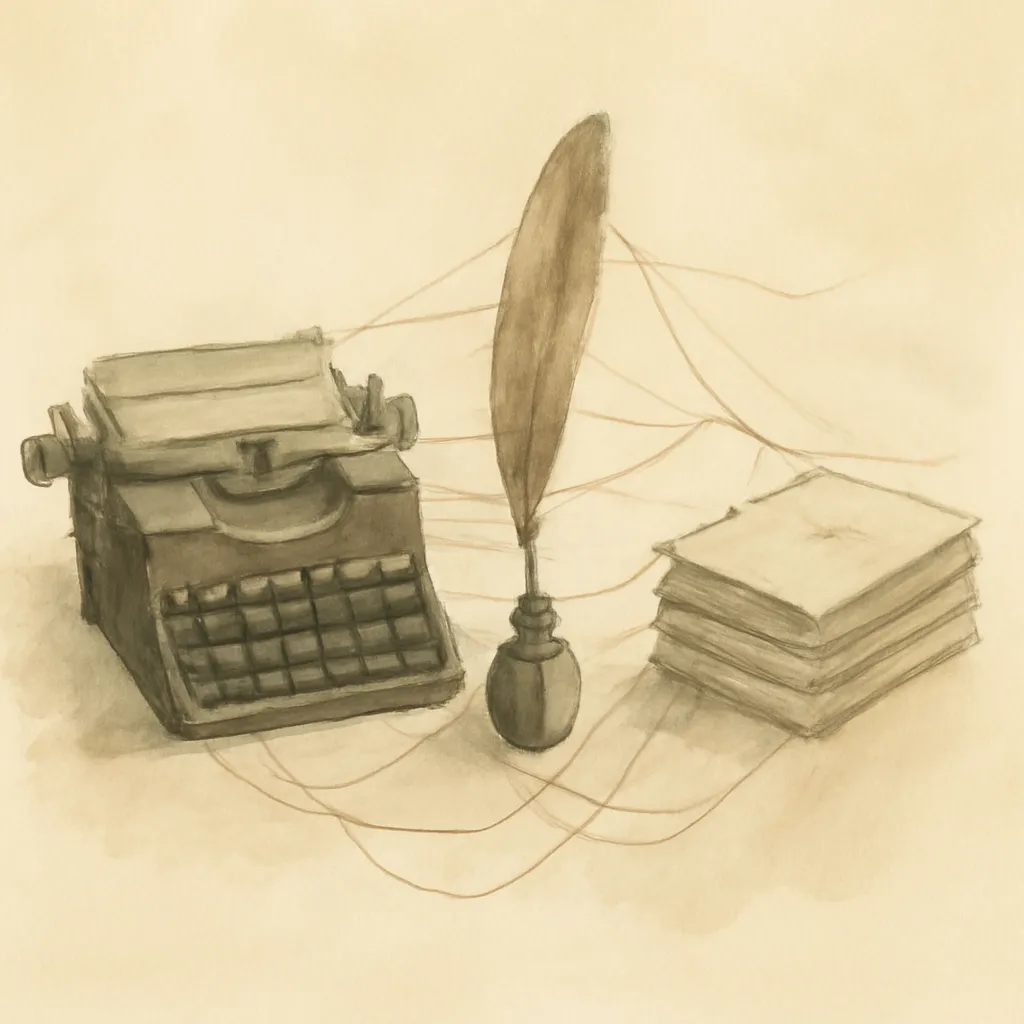
Through case studies like Flaubert and Baudelaire, Bourdieu traces the emergence of the 'modern' writer—one who is committed to artistic autonomy and often marginalized by mainstream society. This new kind of writer invents a distinct literary persona and style, challenging previous norms and reshaping the field’s boundaries.
4.The Illusion of Pure Art
Bourdieu critiques the myth that art’s value is purely intrinsic or timeless. Instead, he argues that what counts as 'art' or 'literature' is the result of historical struggles and institutional recognition. The belief in pure, disinterested art is itself a product of specific social conditions and serves to mask the real forces at play.
5.Symbolic Capital and Power
The book introduces the idea of 'symbolic capital'—the prestige, recognition, and legitimacy that individuals or works accumulate within the field. This capital can be as powerful as economic wealth, shaping careers and canons. Bourdieu reveals how symbolic power operates subtly, reinforcing certain hierarchies while excluding others.
6.Sociology of Criticism
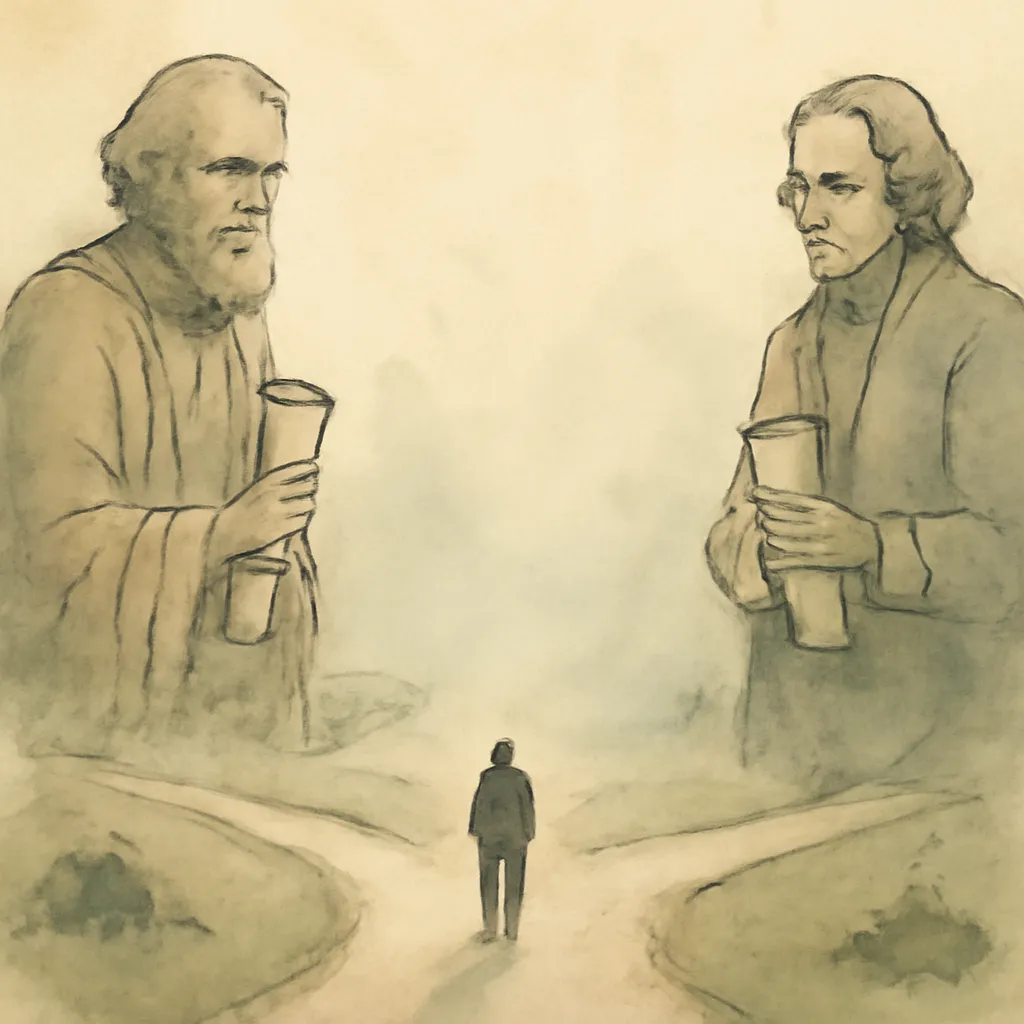
Bourdieu challenges the notion of the impartial critic. He argues that critics, like writers, are embedded in the literary field and influenced by its rules and power dynamics. Their judgments contribute to the construction of value and meaning, making literary criticism itself a social practice rather than a neutral assessment.