1.Culture as Invention, Not Discovery
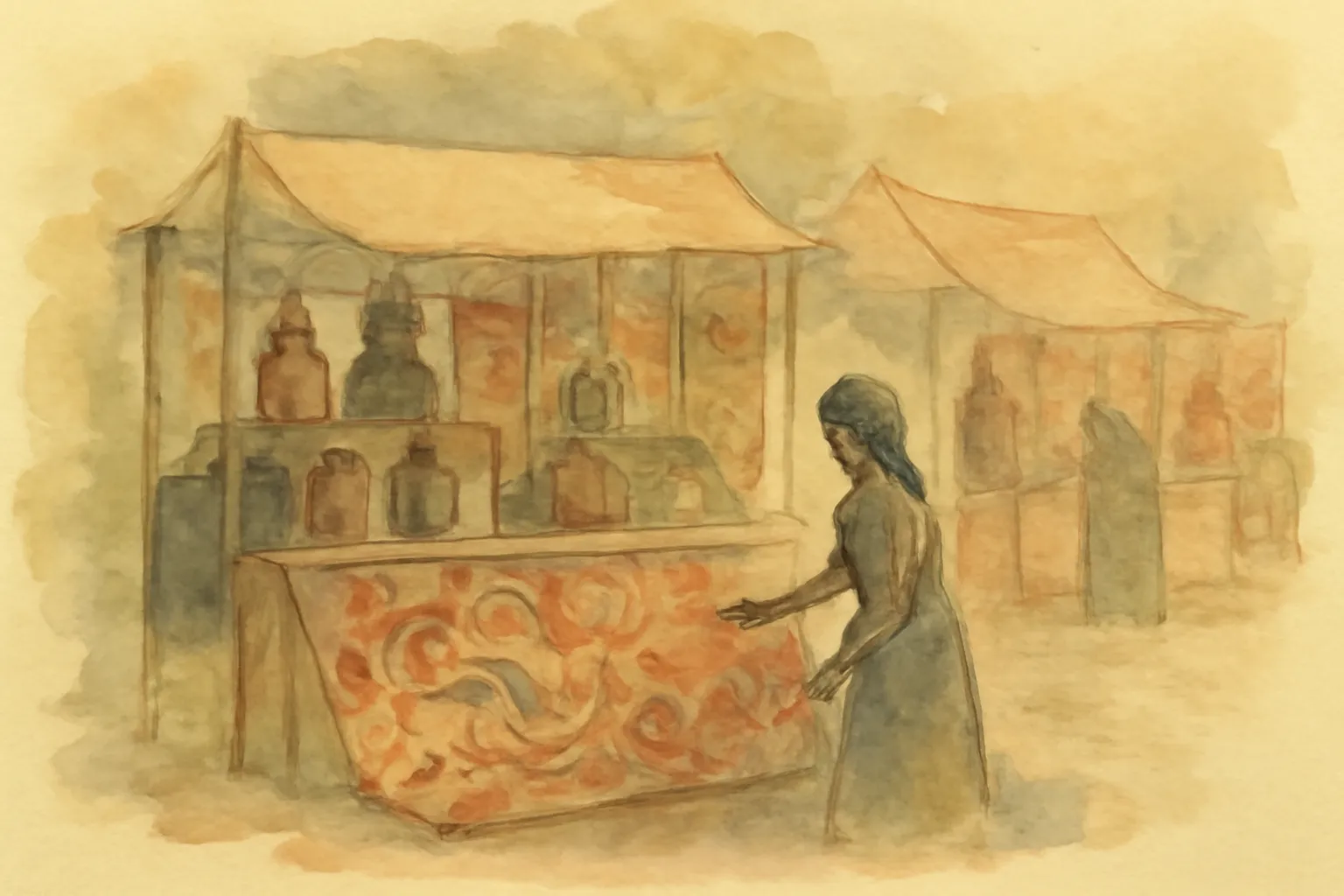
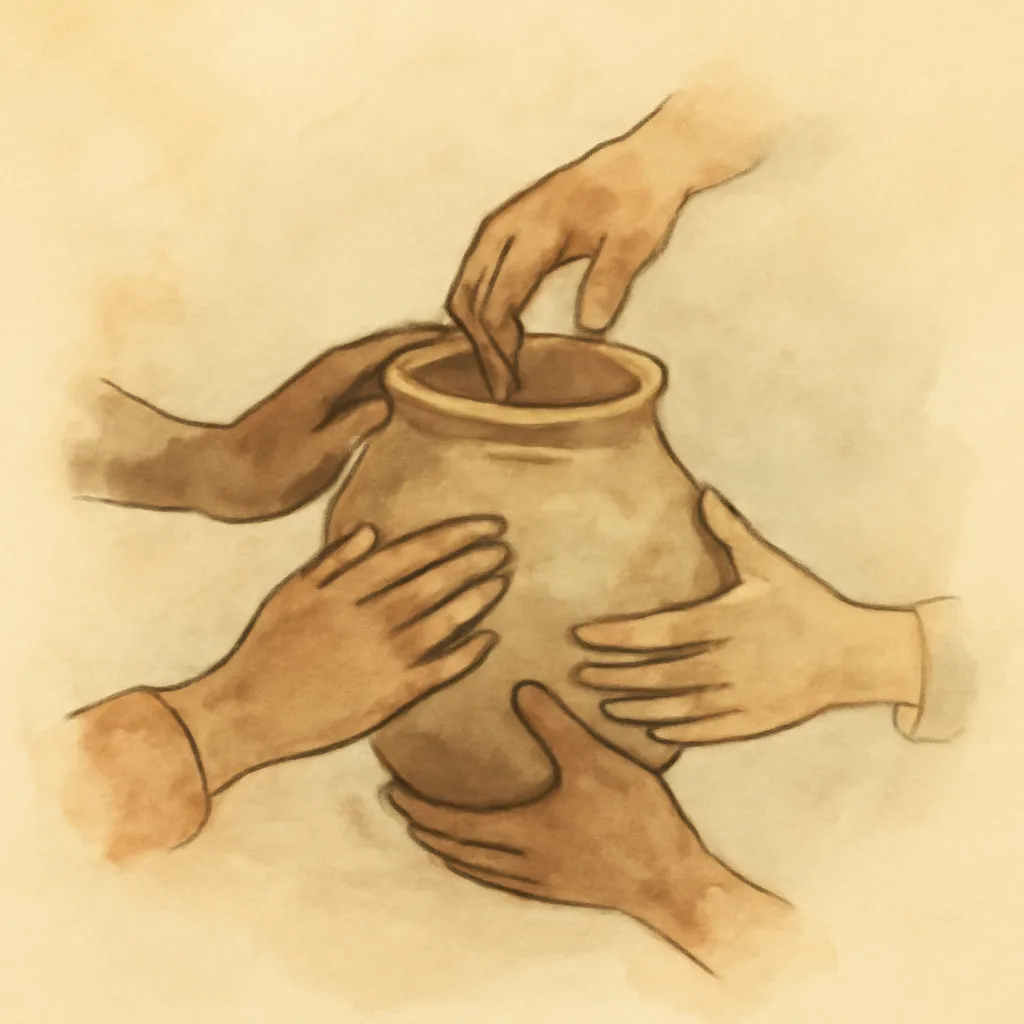
Wagner challenges the traditional anthropological view that cultures are 'out there' to be discovered. Instead, he argues that culture is invented through the ways people interpret, negotiate, and make sense of their world. This invention is not just a matter of creativity, but also of necessity—people must constantly adapt and reinterpret meanings to navigate social life. Thus, culture is a dynamic process, not a fixed set of customs or beliefs.
2.The Dialectic of Convention and Invention
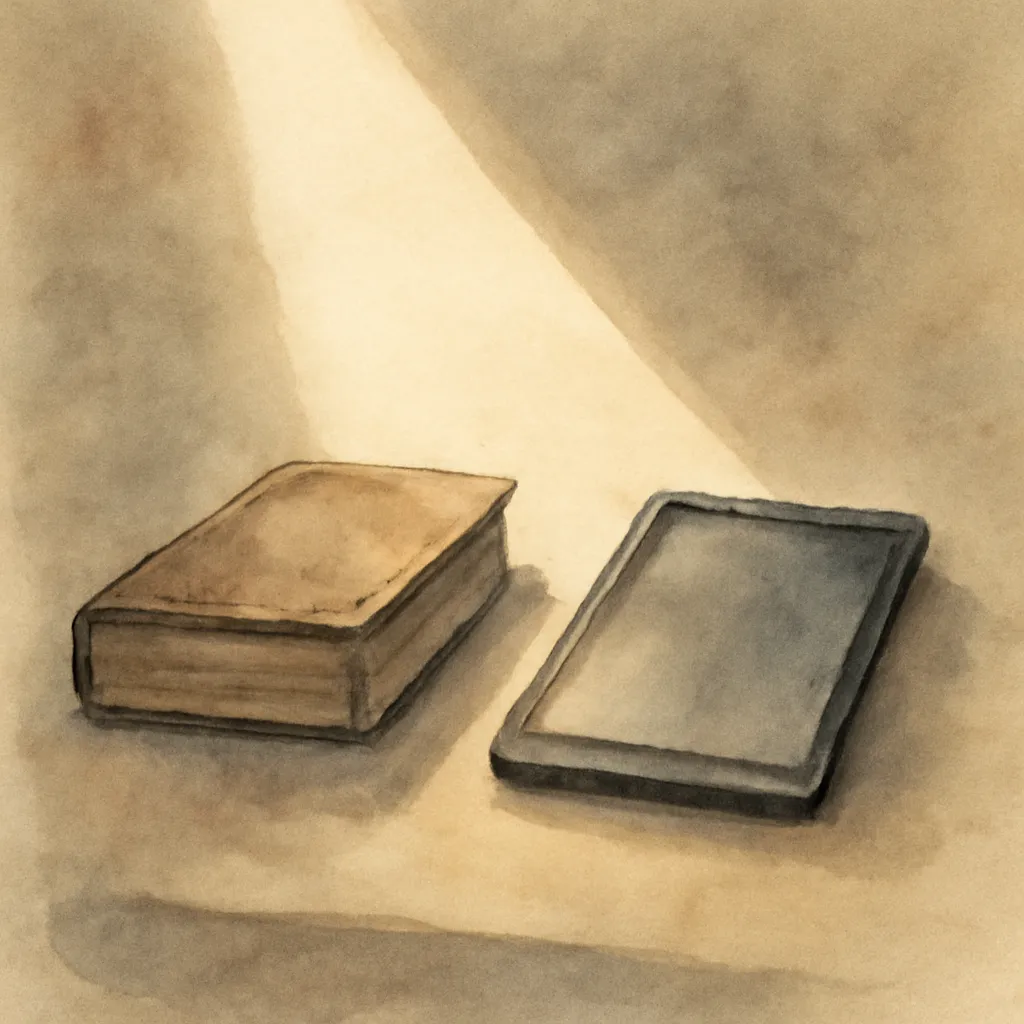
At the heart of Wagner's theory is the tension between convention (the established, shared ways of doing things) and invention (the creative, individual acts that modify or subvert those conventions). Culture emerges from this ongoing dialectic: individuals invent new meanings or practices, which may then become conventionalized over time. This process ensures that culture is always in flux, shaped by both stability and change.
3.Anthropology as a Cultural Invention
Wagner provocatively claims that anthropology itself is a product of the same inventive process it seeks to study. The discipline does not simply observe and record cultures, but participates in inventing them by the very act of interpretation and representation. This reflexive insight forces readers to question the objectivity and authority of anthropological knowledge.
4.Meaning is Contextual and Negotiated
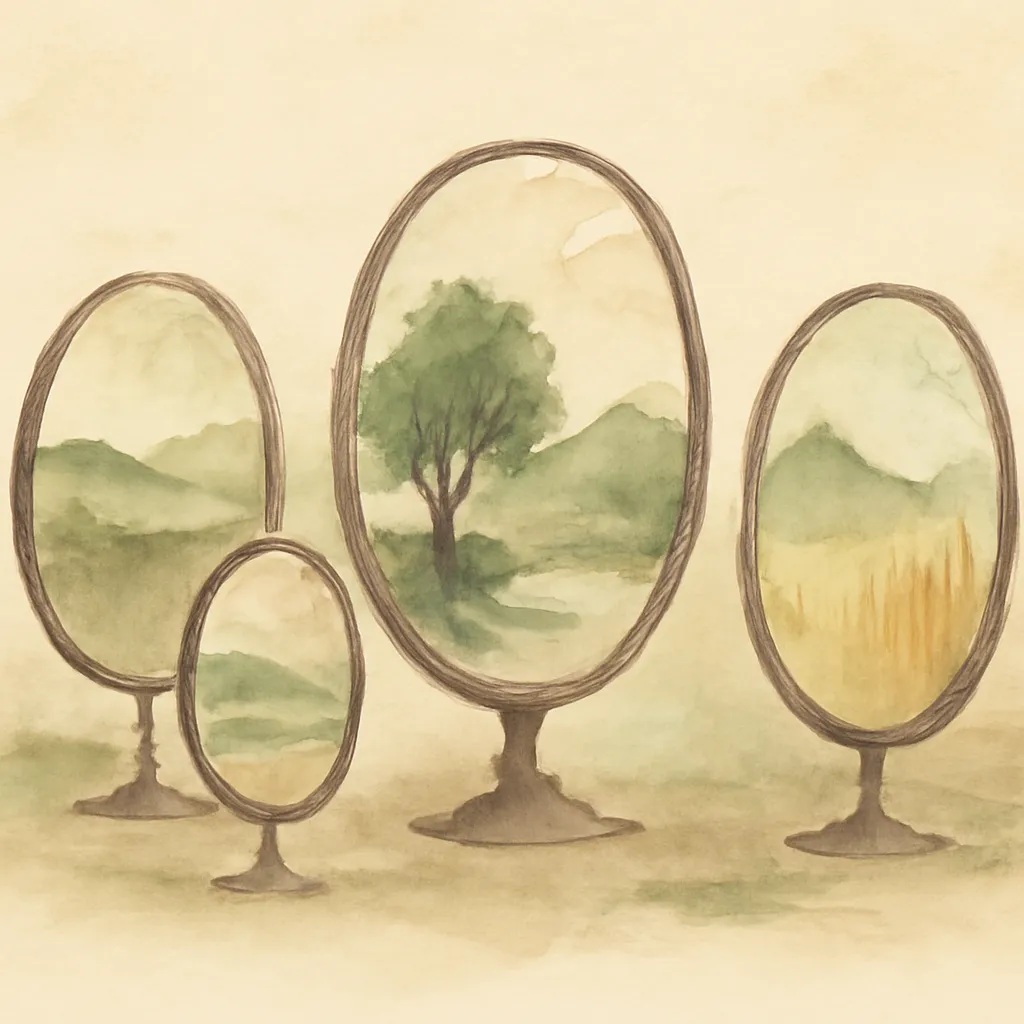
Meaning, for Wagner, is never fixed or universal. Instead, it is always contextual, arising from the specific interactions and negotiations between people. What something means in one context may be radically different in another, and understanding culture requires attention to these shifting interpretations. This undermines any simplistic or static definitions of cultural traits.
5.Creativity at the Core of Human Social Life
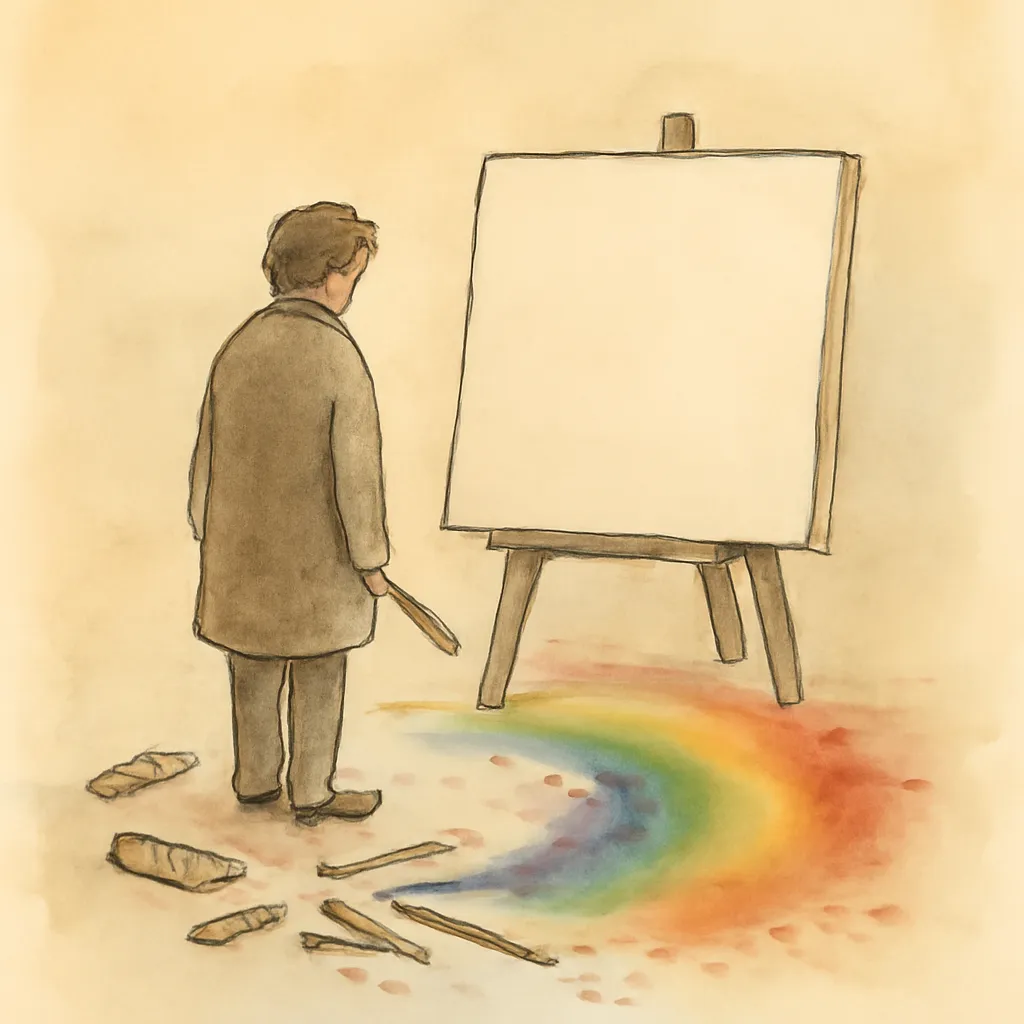
Wagner places creativity—not just conformity—at the center of how societies function. Every person is, in effect, an inventor of culture, constantly reshaping traditions and meanings in response to new situations. This perspective highlights the agency of individuals and groups, and suggests that cultural change is a normal, ongoing process rather than an anomaly.
6.The Limits and Possibilities of Understanding the 'Other'
By emphasizing invention, Wagner also points to the inherent difficulties in truly understanding cultures different from our own. The anthropologist's interpretations are always partial and shaped by their own cultural inventions. This humility does not paralyze inquiry, but encourages a more open, dialogical approach to cross-cultural understanding.