Philosophy · Fiction · Short Reads
Phaedo by Plato — Summary, Key Ideas & Full Text
141 pages19 chapters2h 50m read2h 1m speed read✦ 9-min Big ideasFree · no account
Rate it
In 'Phaedo', Plato delves into the profound nature of the soul's immortality, presenting a compelling case for its eternal existence and the pursuit of truth beyond earthly confines
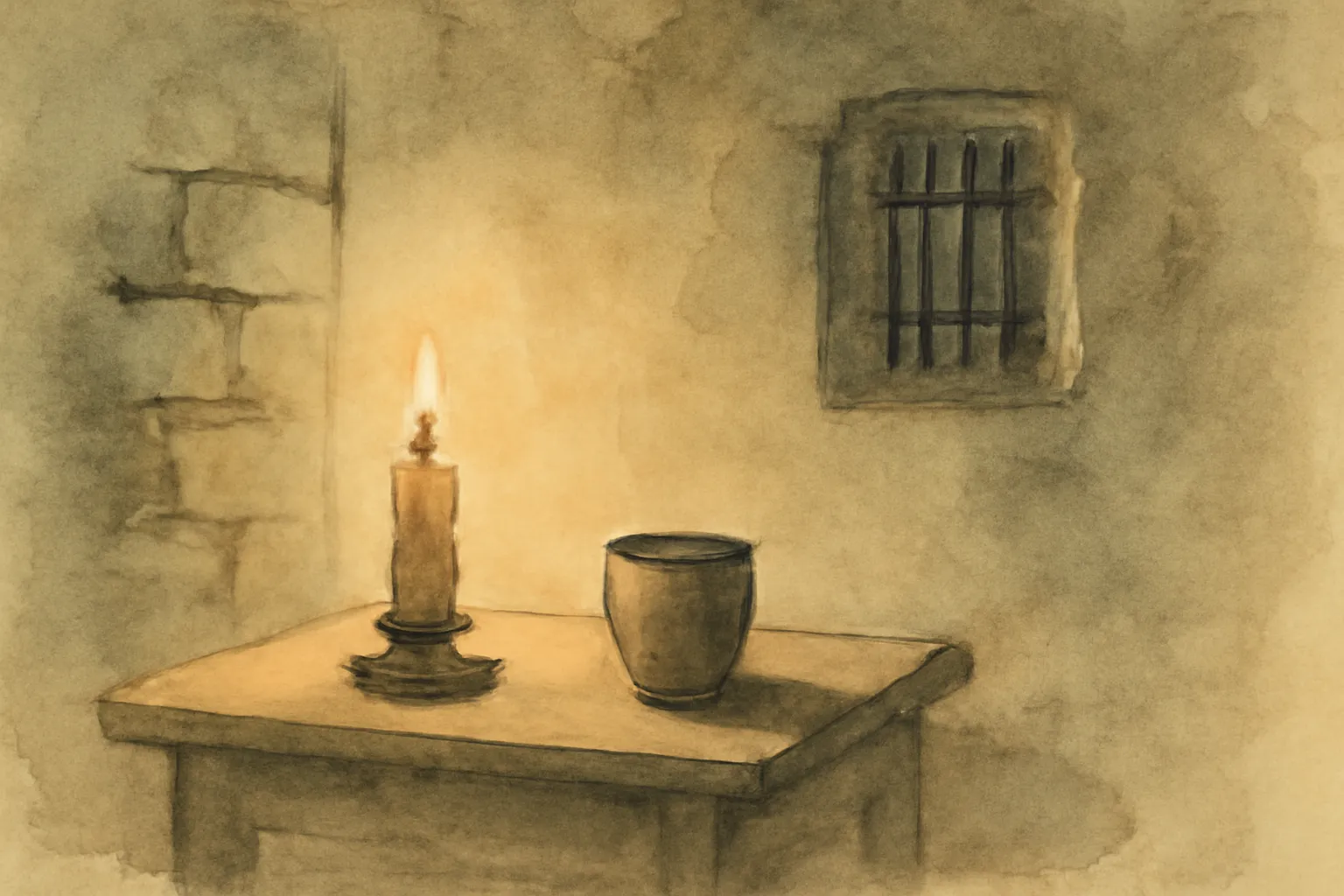
Plato's 'Phaedo' captures the final moments of Socrates as he engages in a rich philosophical dialogue about the nature of the soul, its immortality, and the essence of true knowledge. Set in the prison where Socrates awaits his execution, the dialogue unfolds with his closest disciples present, highlighting the urgency and significance of their discussions. Through Socratic questioning, the text examines the relationship between the soul and the body, the implications of moral living, and the transformative power of philosophical inquiry. Readers will encounter Socrates’ arguments for the soul’s eternal nature, alongside reflections on justice, education, and the moral responsibilities that accompany belief in an afterlife. This exploration invites readers to reflect on their own understanding of existence, morality, and the pursuit of wisdom as they navigate their earthly lives.
Plato's 'Phaedo' stands as a timeless exploration of the soul's nature, the quest for truth, and the ethical implications of immortality. Through Socratic dialogue, it challenges readers to reflect on their beliefs about existence, the afterlife, and the moral responsibilities that accompany these beliefs. The philosophical arguments presented encourage a deeper understanding of human experience, emphasizing the importance of living a life committed to virtue and the pursuit of knowledge. As audiences engage with these themes, they are invited to consider their own journeys towards enlightenment and the potential for growth beyond physical existence. Ultimately, 'Phaedo' serves as a profound reminder that the soul’s immortality and the pursuit of wisdom are essential to understanding our place in the cosmos and the nature of our existence.
“Aesop would have represented them in a fable as a two-headed creature of the gods.”
“What is that which we suppose to be immortal?”
“The soul partakes of the ideal and invisible; and can never fall into the error of confusing the external circumstances of man with his higher self.”
Plato has 5 works free to read on Lumina, including Apology, Phaedrus, The Republic
All 5 books by Plato →