
Explore the intertwining lives of mill workers and their families as they navigate love, hardship, and the quest for dignity in 'Reels and Spindles: A Story of Mill Life.'
Read full overviewShow less›
Evelyn Raymond's 'Reels and Spindles: A Story of Mill Life' offers a vivid exploration of life in a textile mill, capturing the struggles and triumphs of its characters against the backdrop of labor and familial bonds. Through the eyes of Amy Kaye and her companions, readers are invited into a world where the harsh realities of mill work contrast with the warmth of community and personal aspirations. The narrative reveals the complexities of human relationships, the impact of social class, and the resilience of the human spirit. In this summary, we will delve into the key themes and characters that define this poignant tale, illustrating how their stories reflect broader societal issues and personal journeys.
In 'Reels and Spindles: A Story of Mill Life,' Evelyn Raymond crafts a rich tapestry of characters whose lives are intricately woven into the fabric of industrial society. Through the lens of Amy Kaye and her companions, readers witness the struggles and triumphs that define their existence, revealing the resilience of the human spirit amid hardship. The narrative highlights the significance of community, the quest for dignity, and the power of empathy in forging connections. Ultimately, the story serves as a poignant reminder of the importance of human relationships and the enduring pursuit of identity and purpose in a rapidly changing world.
- 1The Burden of Choice
- 2The Allure of the Mill
- 3The Complexity of Relationships
- 4The Struggle for Dignity
- 5The Role of Women in Mill Life
A glimpse inside

The opening chapters introduce Amy Kaye and her stubborn burro, Pepita, who symbolize the struggle between personal desires and external expectations. Read moreThe opening chapters introduce Amy Kaye and her stubborn burro, Pepita, who symbolize the struggle between personal desires and external expectations. Amy's determination to assert her will over the burro's resistance reflects her broader struggle for autonomy in a world that often imposes limitations. This conflict is not just about navigating paths but also about defining one's identity against societal norms. As Amy reads her book while attempting to control Pepita, the juxtaposition of her inner world of imagination against the external world of labor foreshadows the challenges she will face in the mill. This theme of choice resonates throughout the narrative, emphasizing the importance of agency in the face of adversity. Show less
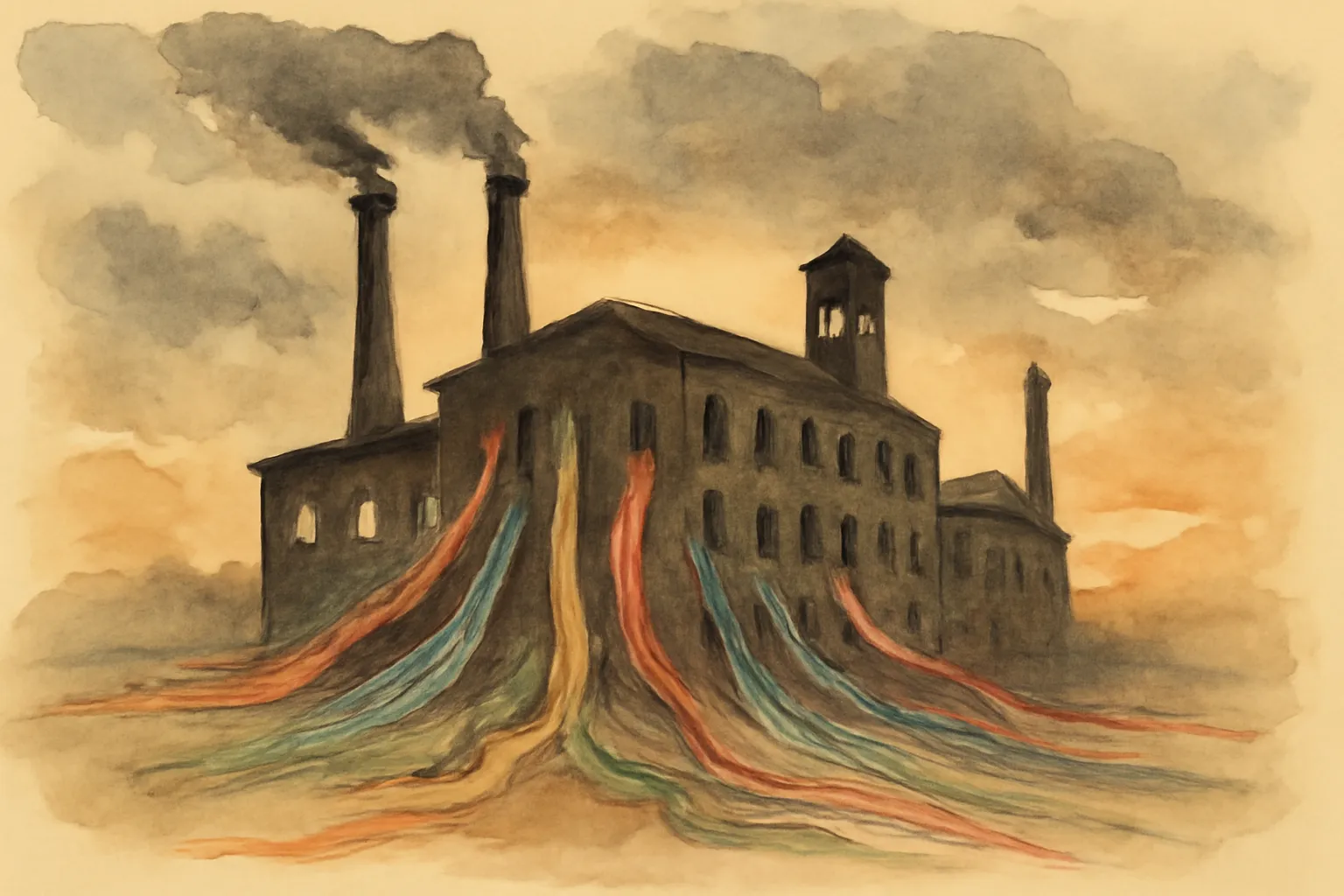
As Amy approaches the mill for the first time, her fascination with its bustling life contrasts sharply with her father's indifference toward the industrial world. Read moreAs Amy approaches the mill for the first time, her fascination with its bustling life contrasts sharply with her father's indifference toward the industrial world. The mill serves as a symbol of opportunity and hardship, representing both the economic engine of the community and the exploitation of its workers. The rhythmic motion of the workers and machines captivates Amy, drawing her into a world she had previously only glimpsed from a distance. This initial intrigue sets the stage for her eventual involvement in mill life, highlighting the allure of labor as a means of self-discovery and independence. The mill is presented not merely as a workplace but as a microcosm of society, where dreams and realities clash in the pursuit of survival. Show less
Read the full text — free
About the author
Evelyn Raymond has 2 works free to read on Lumina, including Dorothy's Travels
All 2 books by Evelyn Raymond →