1.The Burden of Choice
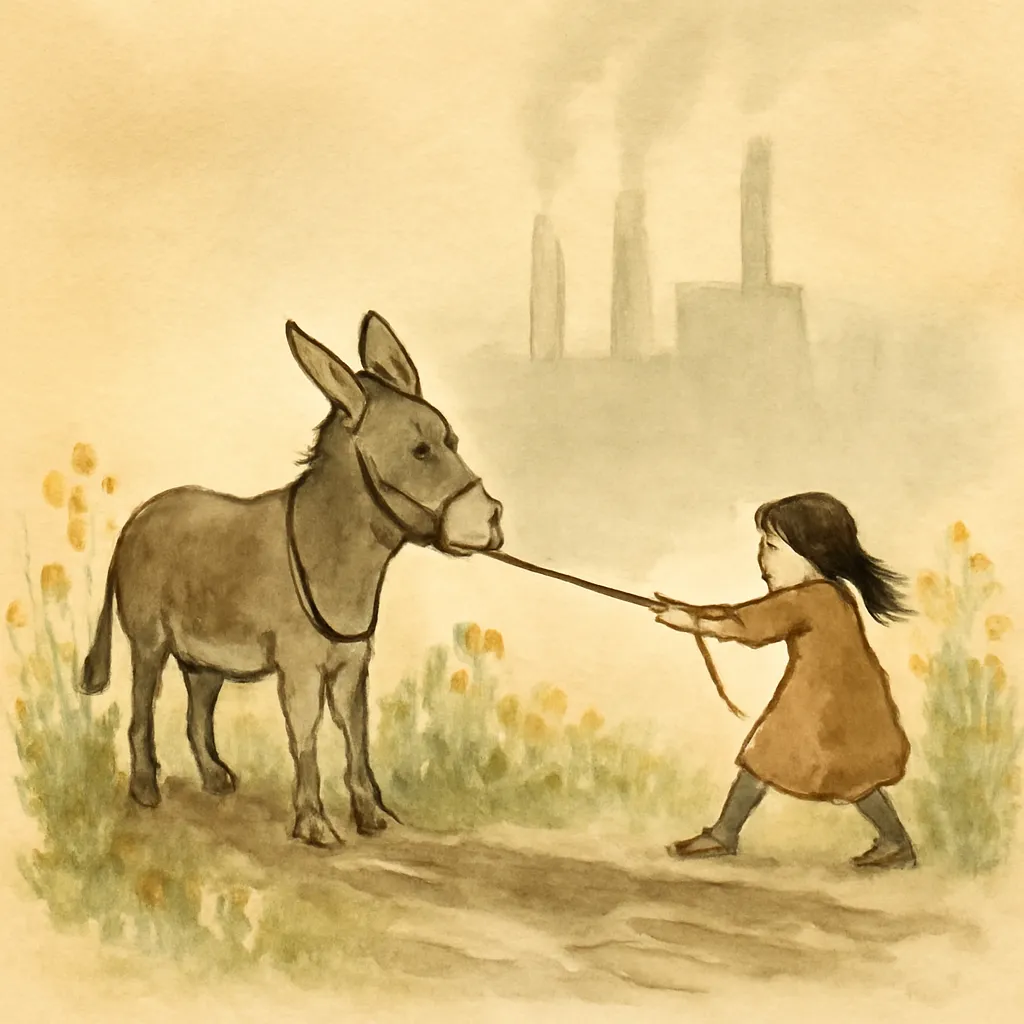
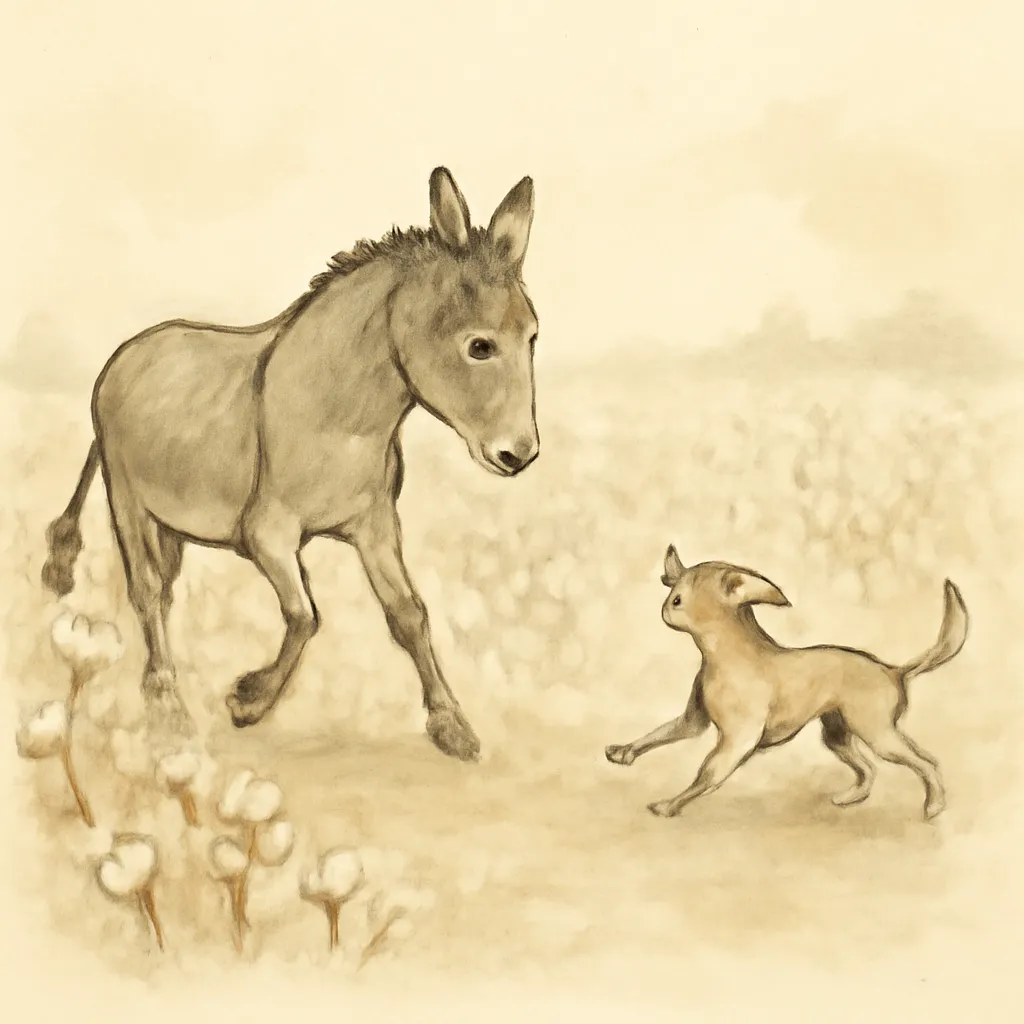
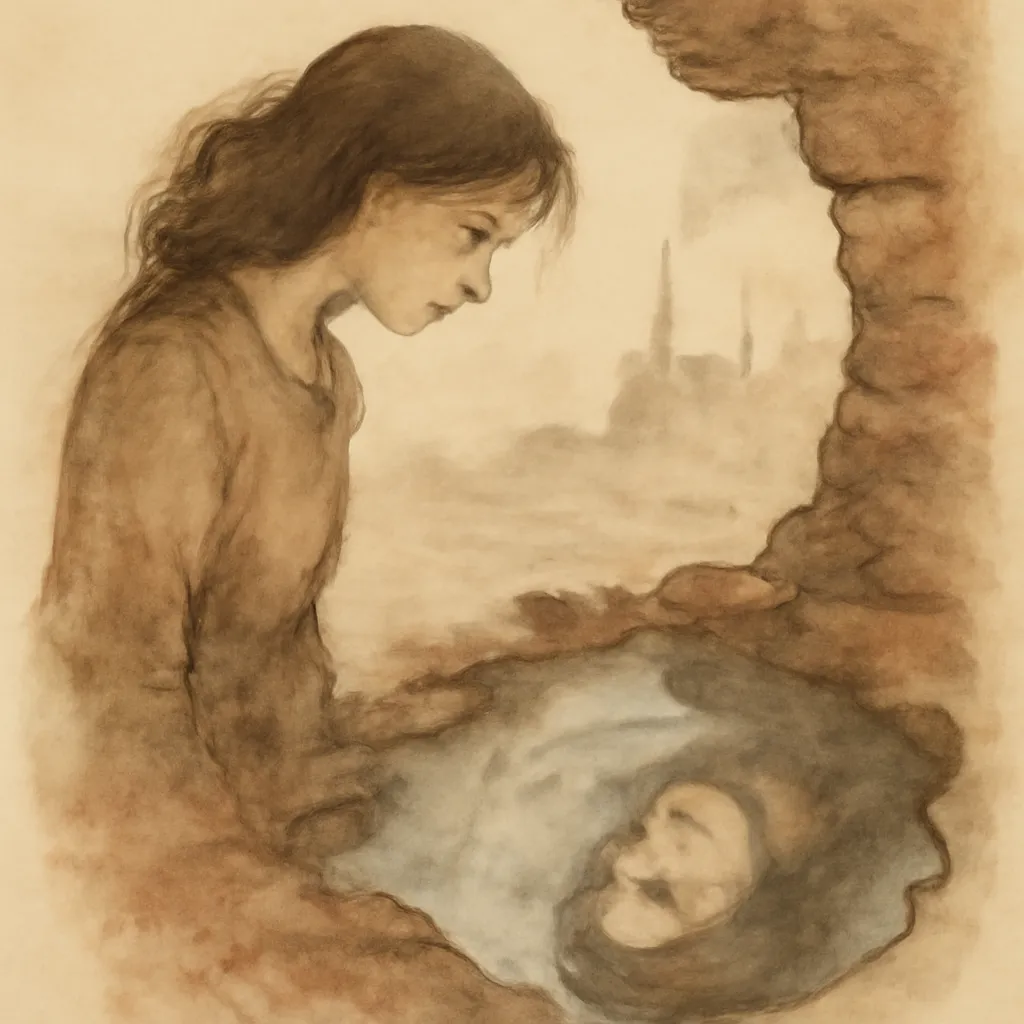
The opening chapters introduce Amy Kaye and her stubborn burro, Pepita, who symbolize the struggle between personal desires and external expectations. Amy's determination to assert her will over the burro's resistance reflects her broader struggle for autonomy in a world that often imposes limitations. This conflict is not just about navigating paths but also about defining one's identity against societal norms. As Amy reads her book while attempting to control Pepita, the juxtaposition of her inner world of imagination against the external world of labor foreshadows the challenges she will face in the mill. This theme of choice resonates throughout the narrative, emphasizing the importance of agency in the face of adversity.
2.The Allure of the Mill
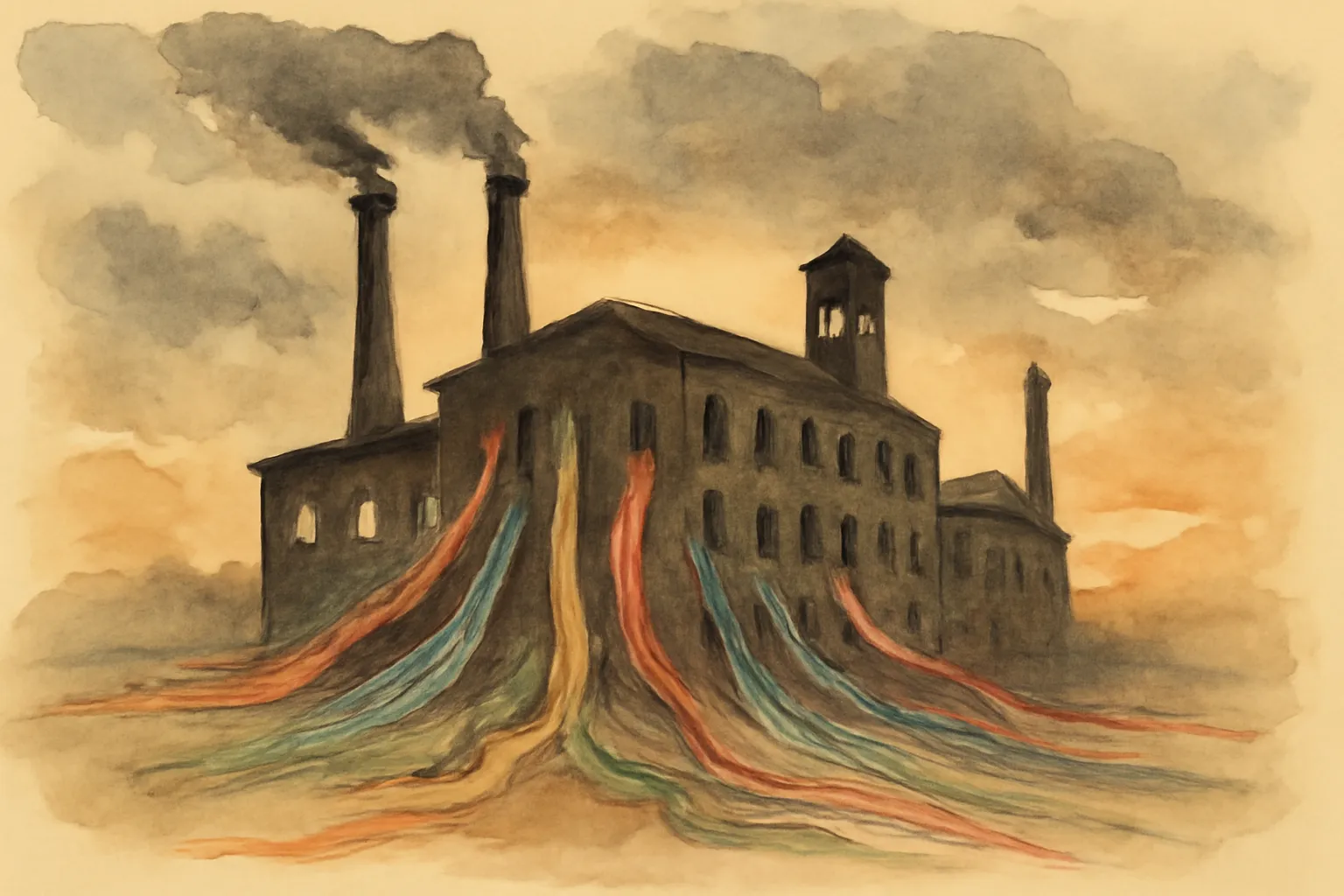
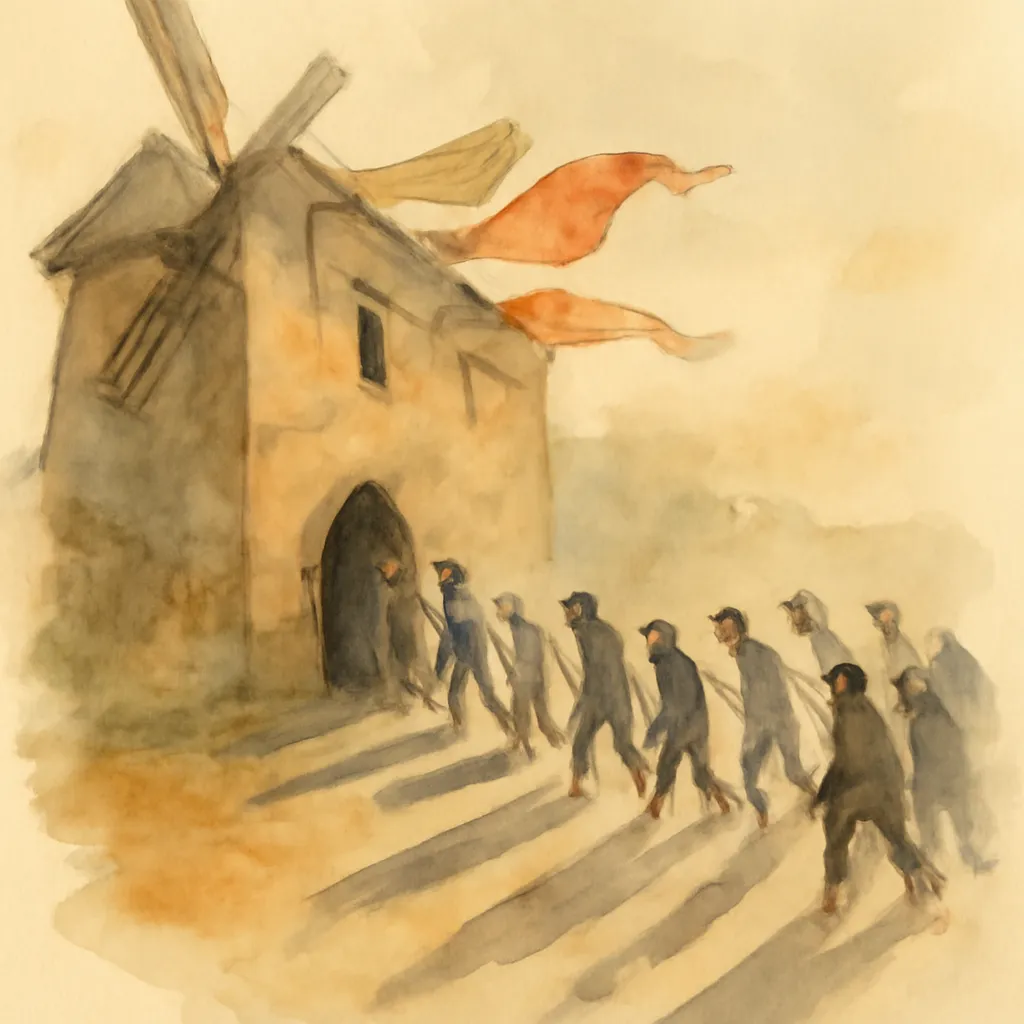
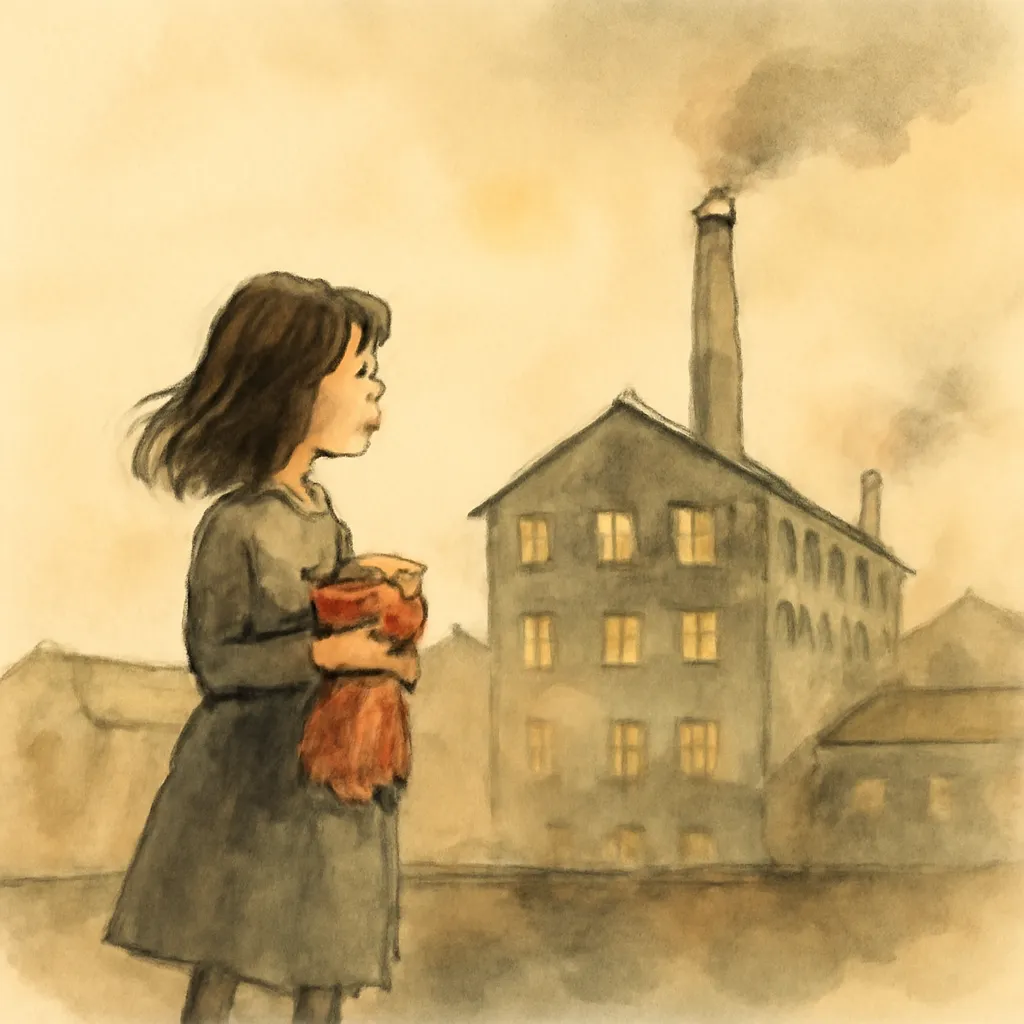
As Amy approaches the mill for the first time, her fascination with its bustling life contrasts sharply with her father's indifference toward the industrial world. The mill serves as a symbol of opportunity and hardship, representing both the economic engine of the community and the exploitation of its workers. The rhythmic motion of the workers and machines captivates Amy, drawing her into a world she had previously only glimpsed from a distance. This initial intrigue sets the stage for her eventual involvement in mill life, highlighting the allure of labor as a means of self-discovery and independence. The mill is presented not merely as a workplace but as a microcosm of society, where dreams and realities clash in the pursuit of survival.
3.The Complexity of Relationships
Central to 'Reels and Spindles' is the exploration of relationships among the characters, particularly the dynamics between Amy, her family, and the mill workers. The interactions between Amy and the half-wit boy, referred to as 'Bony,' illustrate the nuances of compassion and conflict. When Amy defends Pepita from Bony's bullying, it showcases her emerging sense of justice and empathy. This pivotal moment not only cements her role as a protector but also introduces the theme of social responsibility. The relationships in the story are often fraught with tension, revealing the complexities of human connections in the face of societal pressures. Through these interactions, Raymond delves into the idea that love and kindness can flourish even in difficult circumstances, fostering a sense of community among the mill workers.
4.The Struggle for Dignity
Dignity is a recurring theme throughout the narrative, particularly as it pertains to the lives of the mill workers. Characters like Hallam, Amy's brother, and Fayette, the half-wit, grapple with their identities in a world that often devalues them. Hallam's physical limitations due to his disability juxtapose with his aspirations for artistic expression, highlighting the internal conflict between societal expectations and personal dreams. Similarly, Fayette's desire for acceptance and belonging prompts him to seek validation through his efforts in the garden and his interactions with others. The struggle for dignity manifests in their daily lives, as they work to assert their worth in a society that often overlooks them. Through these characters, Raymond poignantly illustrates that dignity is not merely a social construct but a fundamental human need.
5.The Role of Women in Mill Life
Evelyn Raymond poignantly captures the role of women within the mill environment, showcasing their resilience and strength. Amy Kaye emerges as a central figure, embodying the spirit of determination as she navigates the challenges of mill life. Her journey reflects the broader narrative of women's contributions to labor, often overshadowed by male counterparts. Women in the mill are depicted not just as workers but as caregivers, advocates, and community builders. The character of Cleena, the devoted servant, illustrates the intersection of domesticity and labor, as she balances her responsibilities at home with her care for the Kaye family. Through these portrayals, Raymond emphasizes the crucial role women play in shaping their families and communities, advocating for their rights and well-being in a male-dominated world.
6.Conflict and Resolution
Conflict is an essential element of 'Reels and Spindles,' driving the narrative forward and challenging the characters to confront their circumstances. The altercation between Pepita and Bony serves as a microcosm of the larger conflicts present in mill life, where the struggle for power and respect is ever-present. This theme extends to familial tensions, particularly between Amy and her father, as they navigate their differing views on the mill and its implications for their future. The resolution of these conflicts often leads to personal growth and deeper understanding among the characters. For instance, Amy's confrontation with Bony not only protects Pepita but also solidifies her role as an advocate for those who cannot defend themselves. Through these conflicts, Raymond illustrates that resolution often comes through empathy, understanding, and the willingness to stand up for what is right.
7.The Impact of Economic Hardship
Economic hardship looms large over the characters in 'Reels and Spindles,' shaping their decisions and interactions. The Kaye family's financial struggles are compounded by the demands of the mill, which serves as both a source of income and a site of labor exploitation. Amy's determination to contribute to her family's survival reflects the harsh realities faced by many during this era. The narrative draws attention to the systemic issues of poverty and the impact of industrialization on family dynamics. Characters like Hallam and Fayette embody the struggles of those marginalized by society, as they seek to find their place within a rapidly changing world. Through their experiences, Raymond underscores the importance of community support and solidarity in overcoming economic challenges, suggesting that resilience can thrive even in the face of adversity.
8.The Quest for Identity
The characters in 'Reels and Spindles' are engaged in a continuous quest for identity, often shaped by their experiences and the societal expectations placed upon them. Amy's journey of self-discovery is particularly poignant, as she transitions from the sheltered life of Fairacres to the gritty reality of mill work. Her interactions with the mill workers challenge her preconceived notions and force her to confront her values and beliefs. Similarly, Hallam's struggle with his disability and his aspirations for artistic expression highlight the complexities of identity in a world that often prioritizes physical ability over talent and character. The quest for identity is not just personal; it is intertwined with the collective identity of the mill community, as they navigate their roles within a system that seeks to define them. Through these narratives, Raymond emphasizes the importance of self-acceptance and the courage to forge one's path.
9.The Power of Community
Throughout 'Reels and Spindles,' the theme of community emerges as a powerful force in the characters' lives. The mill serves as a backdrop for the formation of bonds among the workers, who rely on each other for support and camaraderie. Amy's growing connections with her fellow workers illustrate the potential for solidarity in the face of shared struggles. The character of Cleena embodies the spirit of community, as she nurtures and cares for the Kaye family while also advocating for the well-being of those around her. The collective experiences of the characters foster a sense of belonging that transcends individual hardships. Raymond paints a portrait of a community that, despite its challenges, finds strength in unity, revealing that togetherness can be a source of resilience and hope.
10.The Intersection of Art and Labor
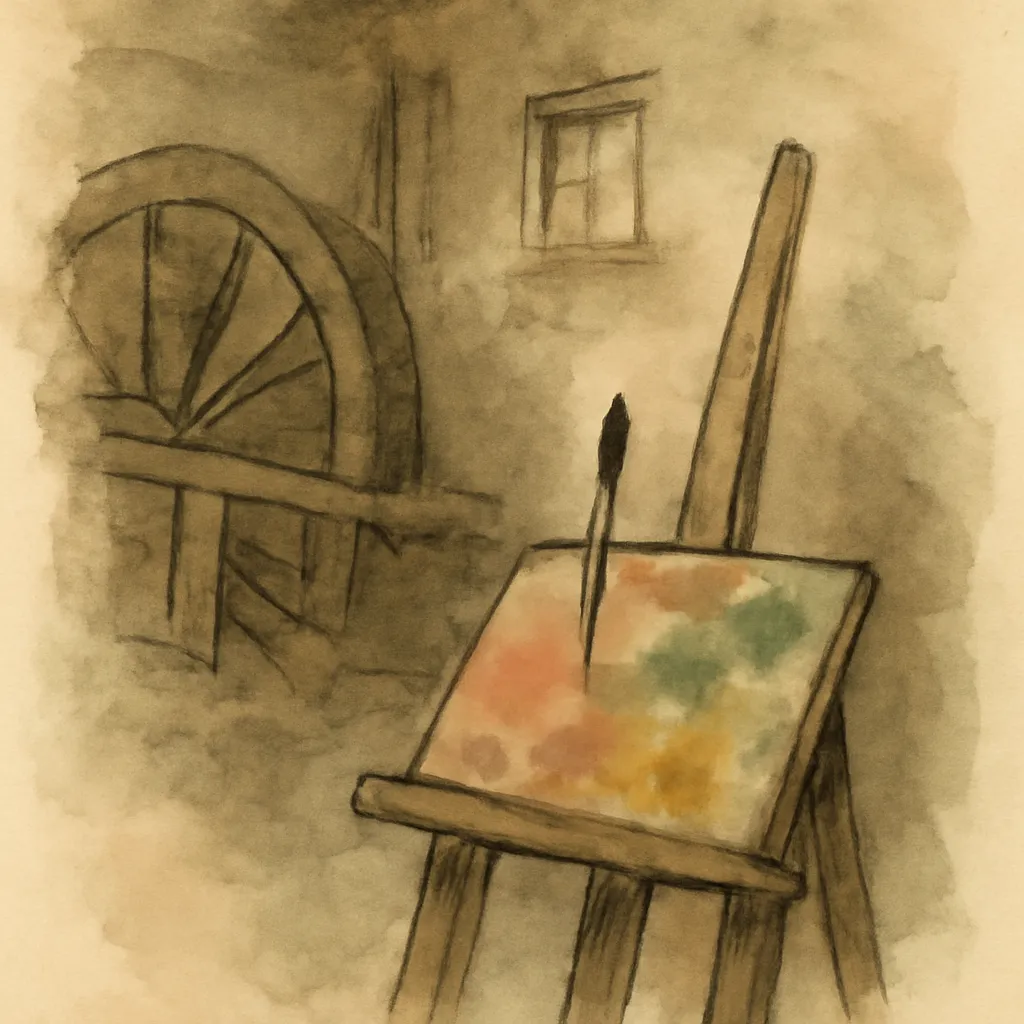
Raymond skillfully weaves the themes of art and labor throughout the narrative, exploring how creativity can emerge from the most challenging circumstances. Hallam's passion for painting serves as a counterpoint to the harsh realities of mill life, illustrating the transformative power of art. His struggle to express himself artistically while navigating his physical limitations highlights the intricate relationship between creativity and personal identity. Amy's appreciation for her father's artistic endeavors further emphasizes the connection between art and labor, as she learns to value the beauty that can arise from hard work. Through Hallam's journey, Raymond argues that art is not separate from labor; rather, it is an integral part of the human experience, capable of providing solace and inspiration even in the most difficult times.