Sapiens/Homo Deus box set by Yuval Noah Harari — Summary, Key Ideas & Quotes
2017✦ 3-min Big ideas
Rate it
Featuring Two Exclusive Essays by Yuval Noah Harari: "The Crisis of Liberalism" and "The Theater of Terror" Discover humanity’s past and its future in this in this special box set featuring Sapiens—a reading pick of President Barack Obama, Bill Gates, and Mark Zuckerberg—and its acclaimed companion Homo Deus.
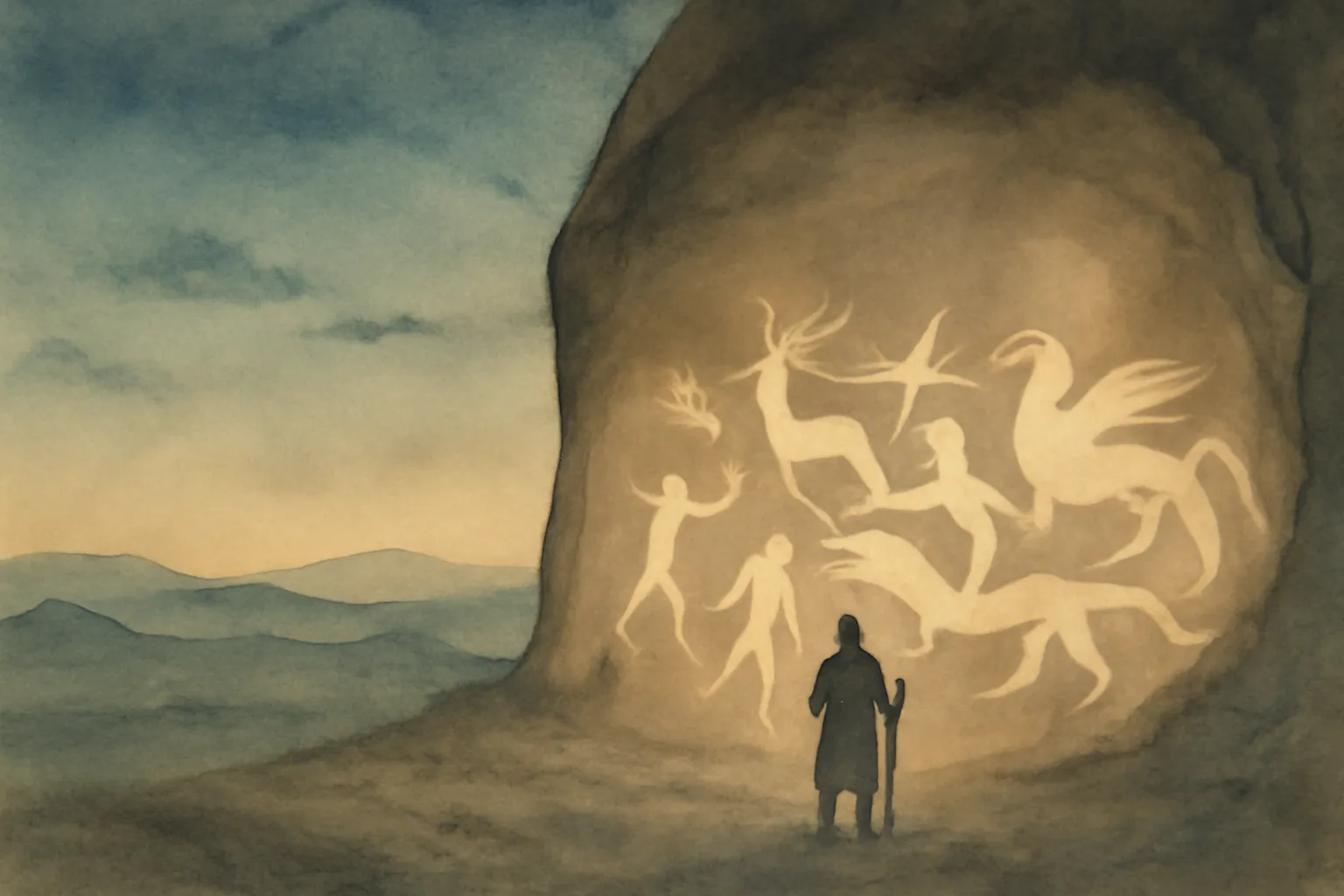
Harari argues that Homo sapiens’ dominance stems from a unique cognitive leap around 70,000 years ago. This revolution enabled humans to imagine, cooperate in large groups, and create shared myths—tools that allowed us to outcompete other species. The ability to believe in collective fictions (like gods, nations, or money) became the foundation of complex societies and global cooperation, setting humans apart from all other animals.
A central theme is that much of what organizes human society—religion, capitalism, legal systems—exists only in our collective imagination. These shared stories create trust and enable large-scale collaboration, but they are also fragile and subject to change. Harari challenges readers to question the narratives that underpin our world, suggesting that their power lies not in objective truth, but in widespread belief.
“You could never convince a monkey to give you a banana by promising him limitless bananas after death in monkey heaven.”
“History began when humans invented gods, and will end when humans become gods.”
“Happiness does not really depend on objective conditions of either wealth, health or even community. Rather, it depends on the correlation between objective conditions and subjective expectations.”