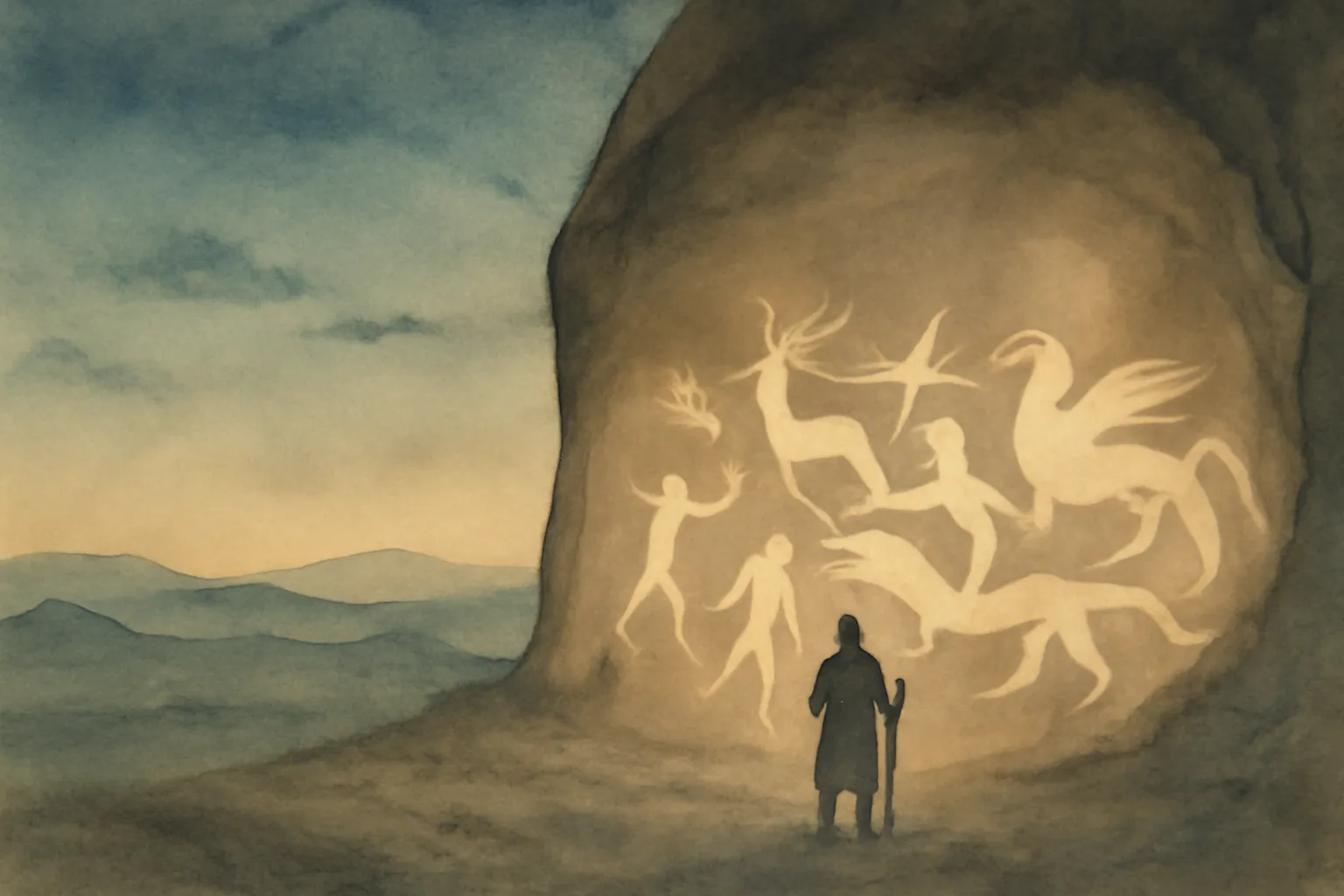
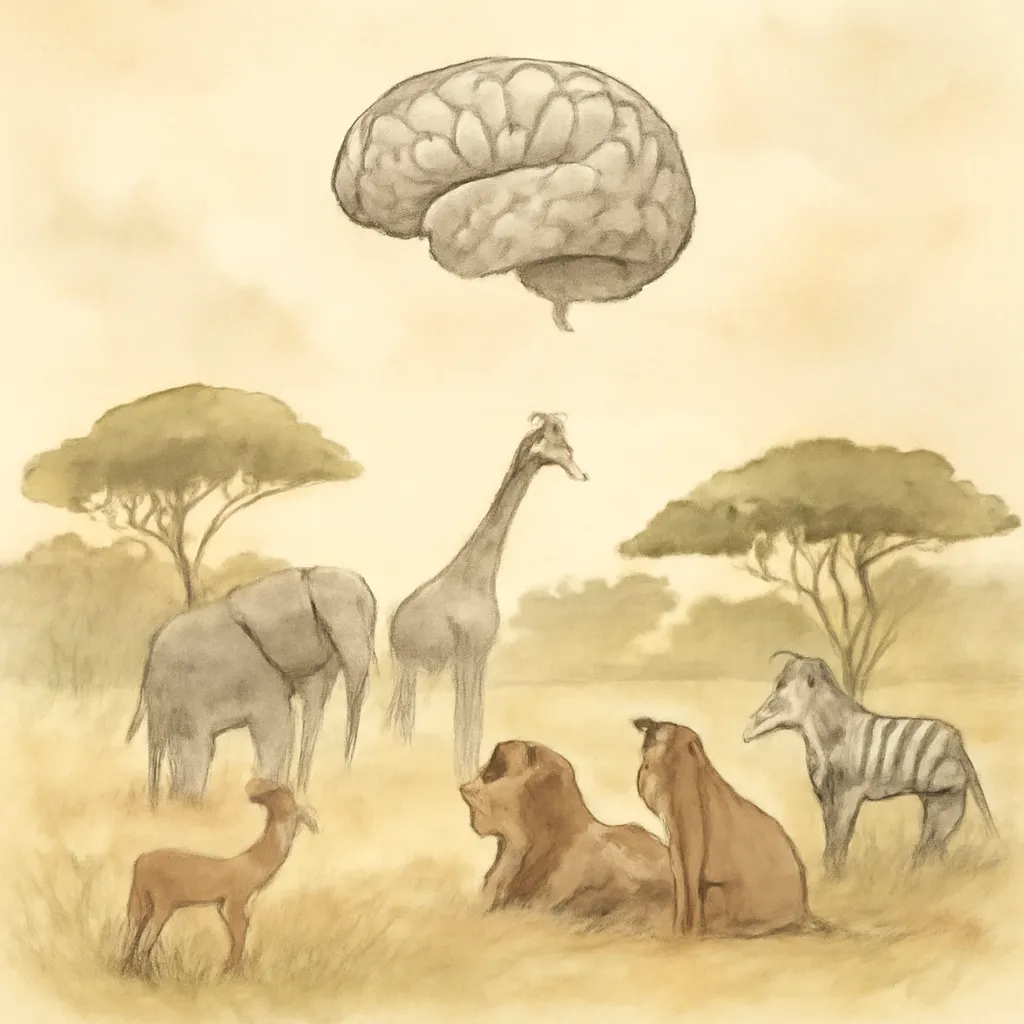
1.The Cognitive Revolution: Our Unique Edge
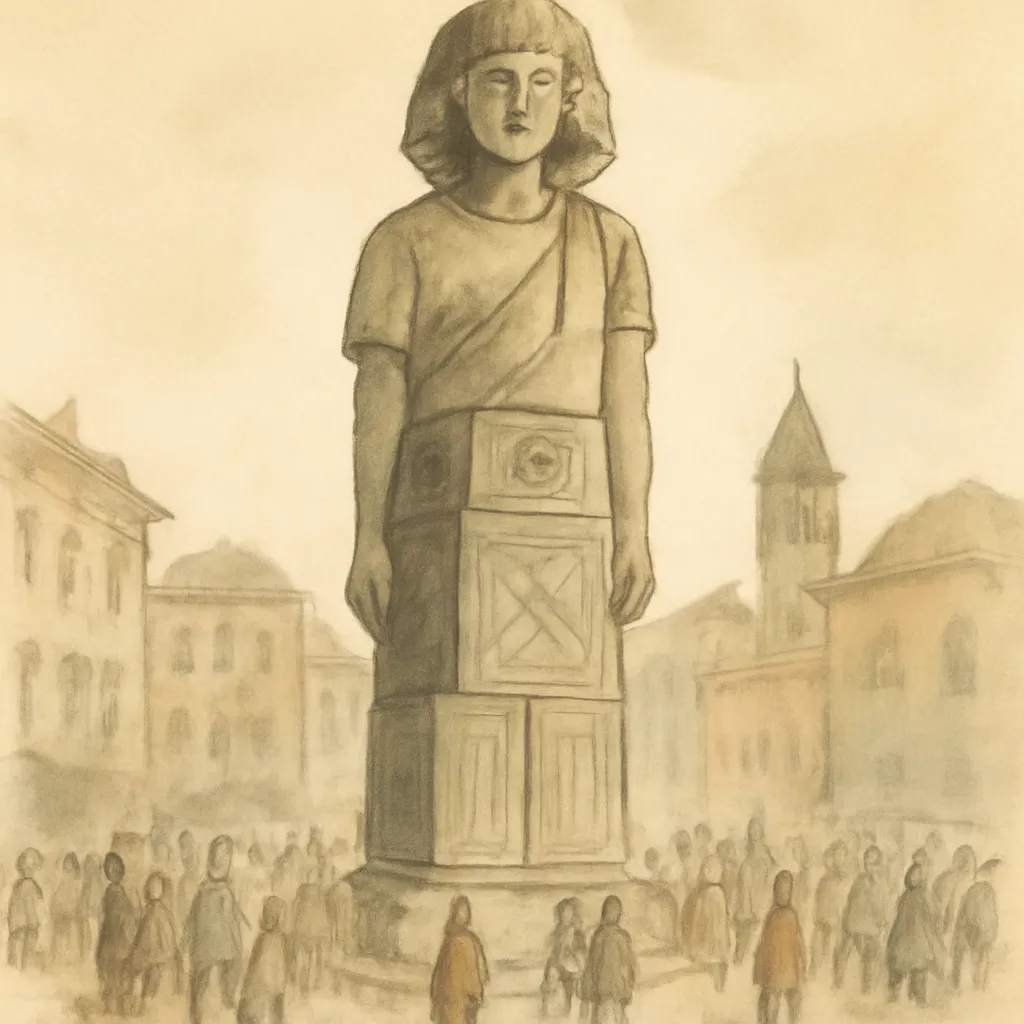
Harari argues that Homo sapiens’ dominance stems from a unique cognitive leap around 70,000 years ago. This revolution enabled humans to imagine, cooperate in large groups, and create shared myths—tools that allowed us to outcompete other species. The ability to believe in collective fictions (like gods, nations, or money) became the foundation of complex societies and global cooperation, setting humans apart from all other animals.
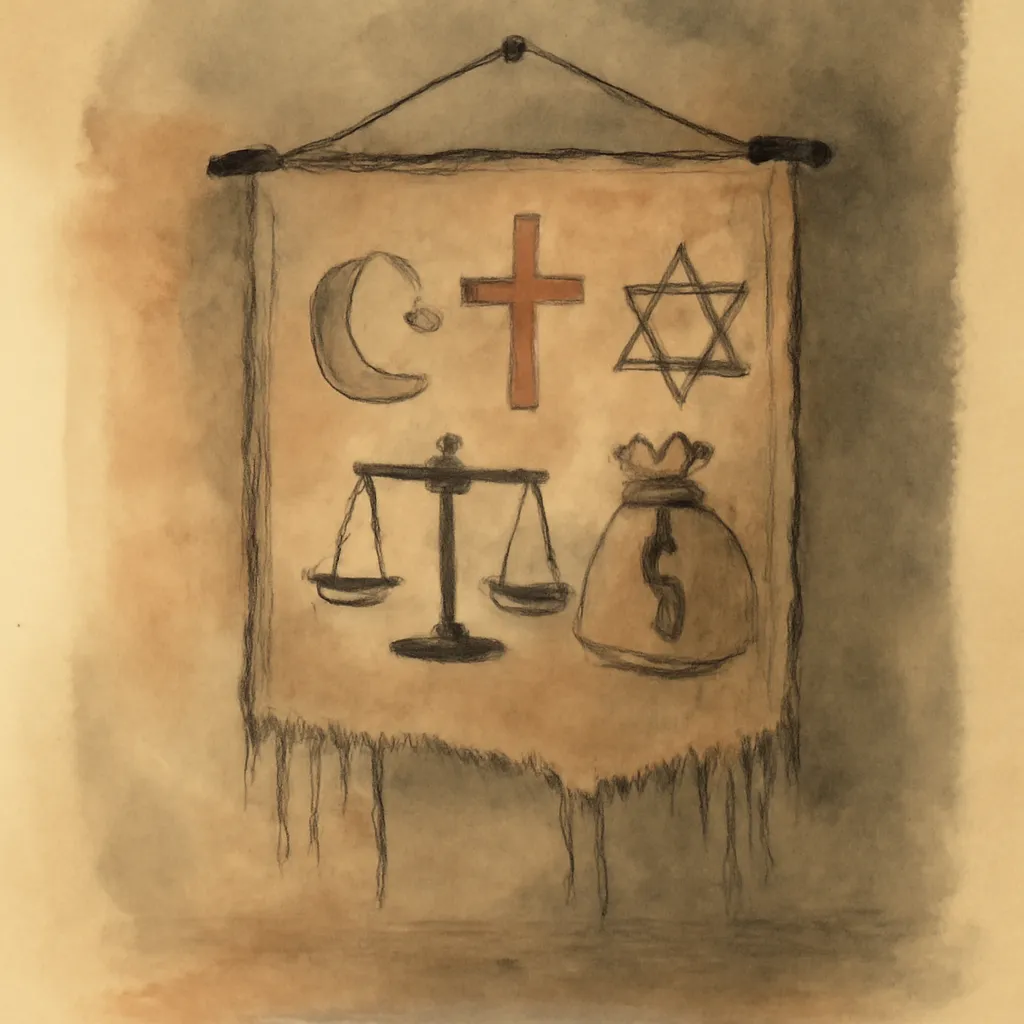
2.Shared Myths and Social Order
A central theme is that much of what organizes human society—religion, capitalism, legal systems—exists only in our collective imagination. These shared stories create trust and enable large-scale collaboration, but they are also fragile and subject to change. Harari challenges readers to question the narratives that underpin our world, suggesting that their power lies not in objective truth, but in widespread belief.
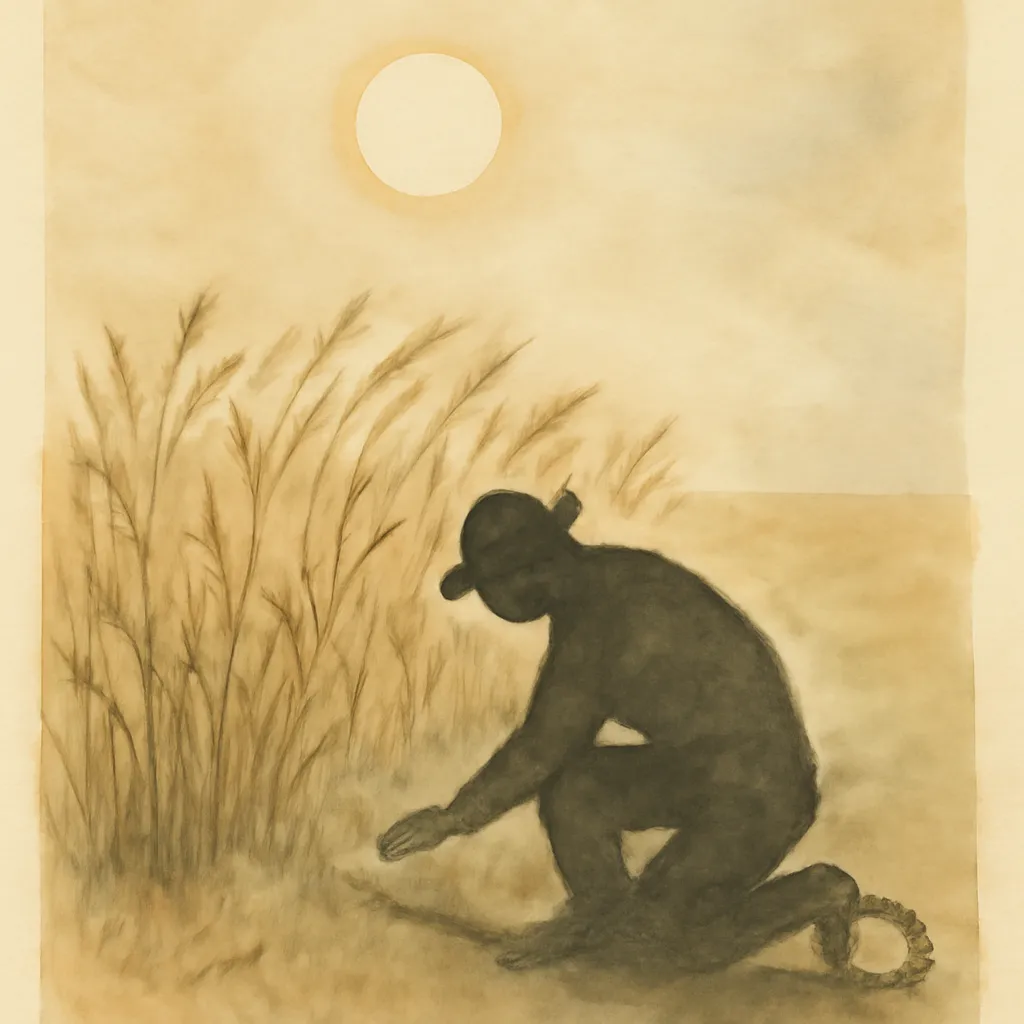
3.The Agricultural and Scientific Revolutions
The transition to agriculture fundamentally altered human society, bringing both progress and new forms of suffering. Harari provocatively suggests that wheat domesticated us as much as we domesticated it. Later, the Scientific Revolution unleashed unprecedented power by embracing ignorance and the pursuit of knowledge, fueling rapid technological and social transformations that continue today.
4.Humanism and the Rise of Liberalism
Modern societies, Harari contends, are built on the humanist belief in individual value and agency. Liberalism, with its emphasis on personal freedom and human rights, has shaped the modern world. However, Harari warns that this worldview is under threat from new technologies and global challenges, raising urgent questions about the future of democracy and individual autonomy.
5.Homo Deus: The Quest for Godlike Powers
In Homo Deus, Harari shifts focus to the future, exploring humanity’s drive to transcend biological limits. Advances in biotechnology and artificial intelligence promise to cure disease, enhance abilities, and perhaps even conquer death. Yet, these same technologies could undermine the very ideas of free will and equality that underpin liberal society, leading to new forms of inequality and control.
6.The Uncertain Future: Ethics and Meaning
Harari’s analysis culminates in a warning: as we become capable of engineering life and intelligence, our ethical frameworks may lag behind. The future could bring unprecedented prosperity or profound existential risks. Ultimately, Harari urges readers to reflect on what kind of future we want to create—and what it means to be human in an age of artificial gods.