Self-actualization (psychology) · Happiness · Stoics
Stoicism and the Art of Happiness by Donald Robertson — Summary, Key Ideas & Quotes
2013256 pages✦ 3-min Big ideas★ 5.0 (1)
Rate it
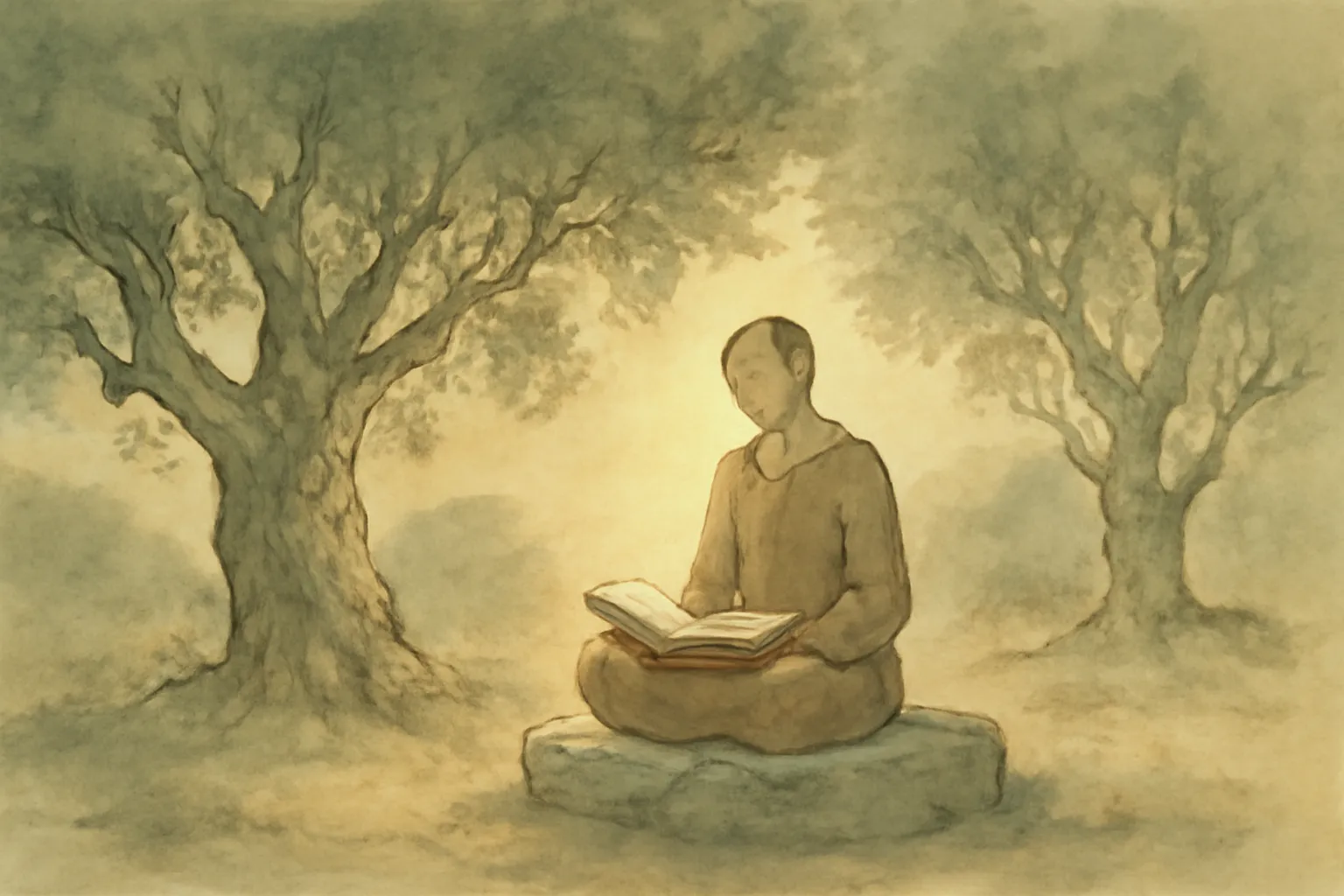
Rather than being an abstract or purely academic system, Stoicism is presented as a hands-on philosophy designed for everyday living. Robertson emphasizes that Stoicism is about transforming one's mindset and actions to cultivate resilience, self-control, and tranquility. The book demystifies Stoic principles, showing how they can be directly applied to real-life challenges, rather than just admired from a historical distance.
A central Stoic idea highlighted in the book is the distinction between what we can and cannot control. Robertson explains that much of our suffering comes from trying to control the uncontrollable—other people, external events, or outcomes. By focusing our energy on our own thoughts, judgments, and actions, we can achieve greater peace and agency, reducing anxiety and frustration.
“Happiness and freedom begin with a clear understanding of one principle: Some things are within our control, and some things are not.”