Cognitive therapy · Philosophy · Psychology and philosophy
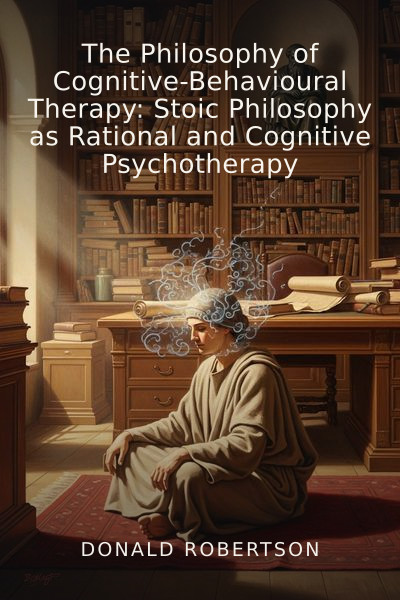
Stoic Philosophy as Rational Cognitive Psychotherapy by Donald Robertson — Summary, Key Ideas & Quotes
2010318 pages✦ 3-min Big ideas
Rate it

Robertson argues that Stoic philosophy, especially as practiced by figures like Epictetus, shares profound similarities with modern cognitive-behavioral therapy (CBT). Both traditions emphasize the central role of our beliefs and interpretations in shaping emotional responses. By tracing these parallels, the book positions Stoicism not just as a historical curiosity but as a living, practical philosophy with direct therapeutic value.
A core Stoic technique—what Robertson calls 'cognitive distancing'—involves recognizing the difference between external events and our judgments about them. This mirrors the CBT practice of challenging automatic thoughts. By learning to step back and observe our mental reactions, we gain the freedom to choose healthier, more rational responses, reducing unnecessary suffering.