

Medical aspects of World War, 1914-1918 · English Personal narratives · Personal narratives, English
Testament of Youth by Vera Brittain — Summary, Key Ideas & Quotes
1933661 pages✦ 3-min Big ideas★ 3.0 (3)
Rate it
A vivid and passionate record of the years 1900 to 1925, this is Vera Brittain's haunting autobiography - a portrait of a young girl's life in prewar England and a heartbreaking document of the holocaust of war. The author tells us about the war she saw and poignantly describes how it was to watch the gradual destruction of her generation. Raised in provincial comfort during a gentle age, Brittain won a scholarship to Oxford, then fell profoundly in love with a friend of her adored brother Edward, just as the country crept toward the edge of war. We follow four agonizing years of war through Brittain's eyewitness accounts of life without hope in London and at the front in France. In 1915 she abandoned her studies and enlisted in the army as a voluntary nurse. By war's end Vera Brittain had become a convinced pacifist and feminist. In 1919 she came back to Oxford to finish her studies. It was at this time that she met Winifred Holtby, who became her greatest friend and ally. Returning to London in 1921, she devoted herself to the cause of world peace and struggled to earn her living as a journalist. First published in 1933, this famous best-seller was acclaimed as "the real war book of the women of England." In spirit and impact it is such a moving elegy to a lost generation that P.D. James wrote of it: "This is one of those books which help both form and define the mood of its time." Comparable to *All Quiet on the Western Front*, this powerful book is another classic of World War I - from a woman's point of view.
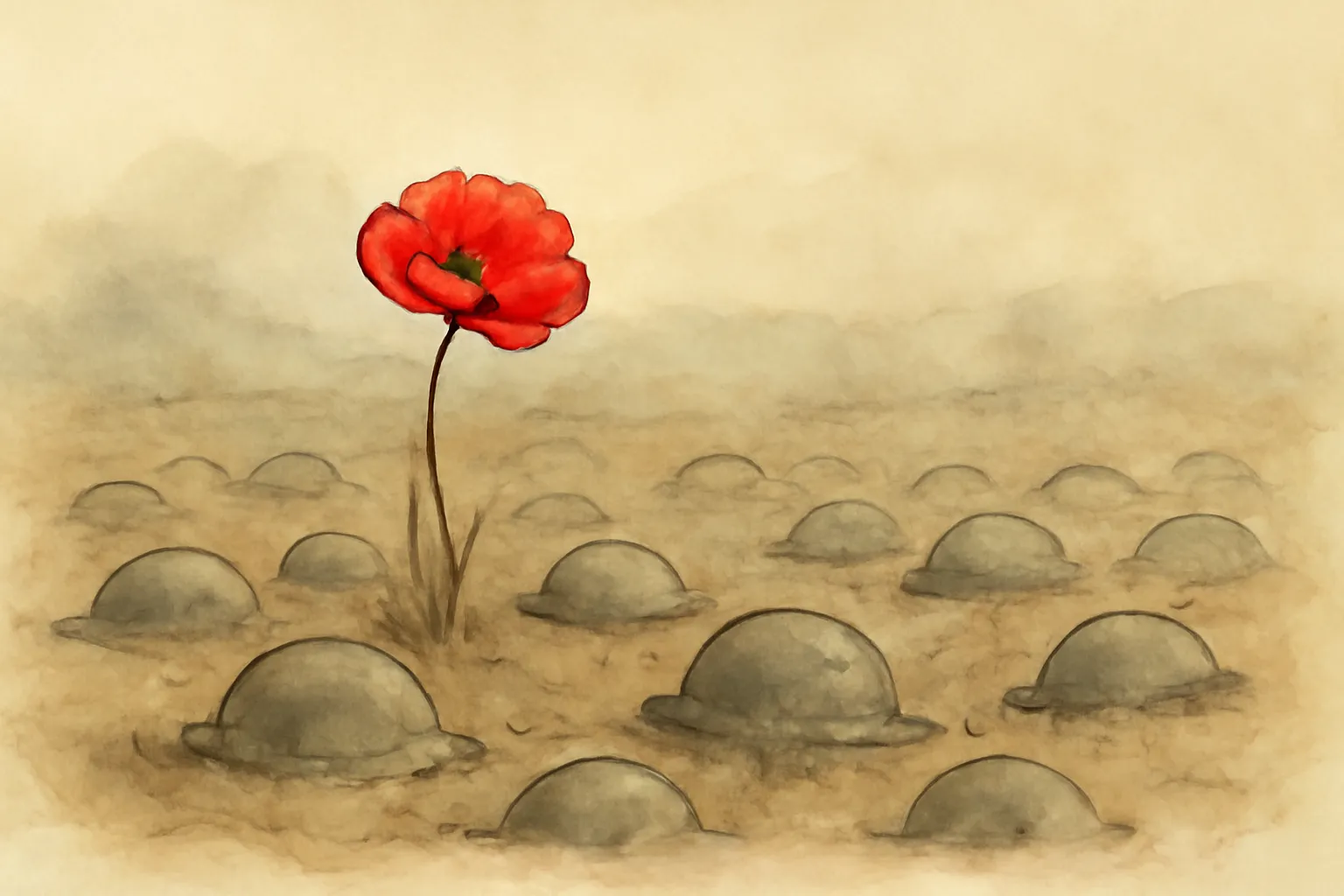
Brittain’s memoir is a testament to the devastating personal losses wrought by World War I. Through the deaths of her fiancé, brother, and close friends, she reveals how the war was not just a distant event, but a force that invaded homes and hearts. The narrative is saturated with grief, showing how an entire generation’s hopes and futures were destroyed, and how survivors were left to navigate a world irrevocably changed.
Brittain’s journey from sheltered provincial girl to war nurse and, ultimately, to a committed pacifist and feminist, is central to the memoir. Her direct exposure to the suffering of soldiers and civilians alike catalyzes her political and personal awakening. The book traces how trauma can lead to profound self-examination and a lifelong commitment to social causes.
“Only, I felt, could I ever be at peace again, if I could find some way of making the world less cruel and senseless than it had been for me.”
“The War, it seemed, had made masochists of us all.”
“There is, in the end, no remedy but truth.”