1.The Personal Cost of War
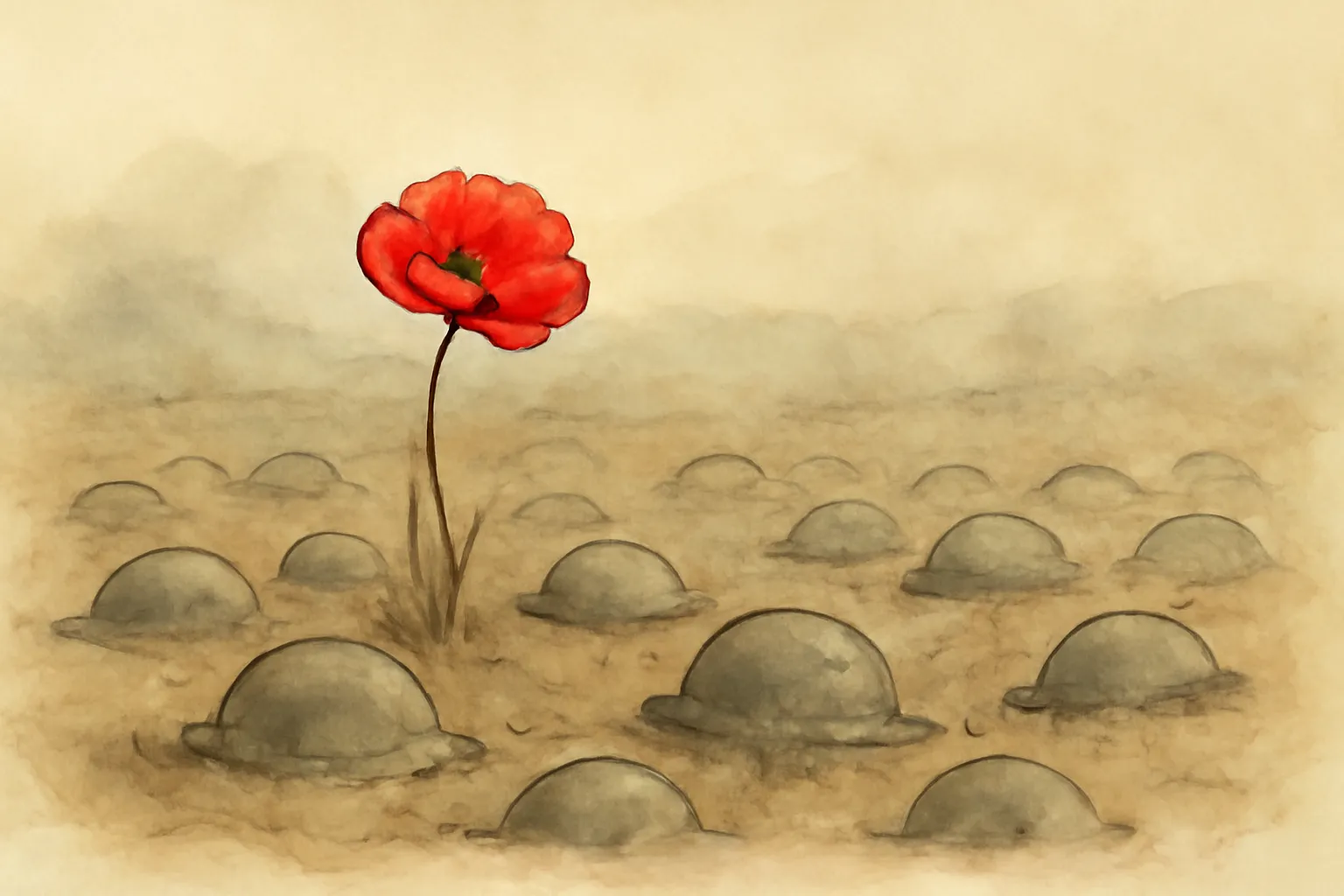
Brittain’s memoir is a testament to the devastating personal losses wrought by World War I. Through the deaths of her fiancé, brother, and close friends, she reveals how the war was not just a distant event, but a force that invaded homes and hearts. The narrative is saturated with grief, showing how an entire generation’s hopes and futures were destroyed, and how survivors were left to navigate a world irrevocably changed.
2.Transformation Through Suffering
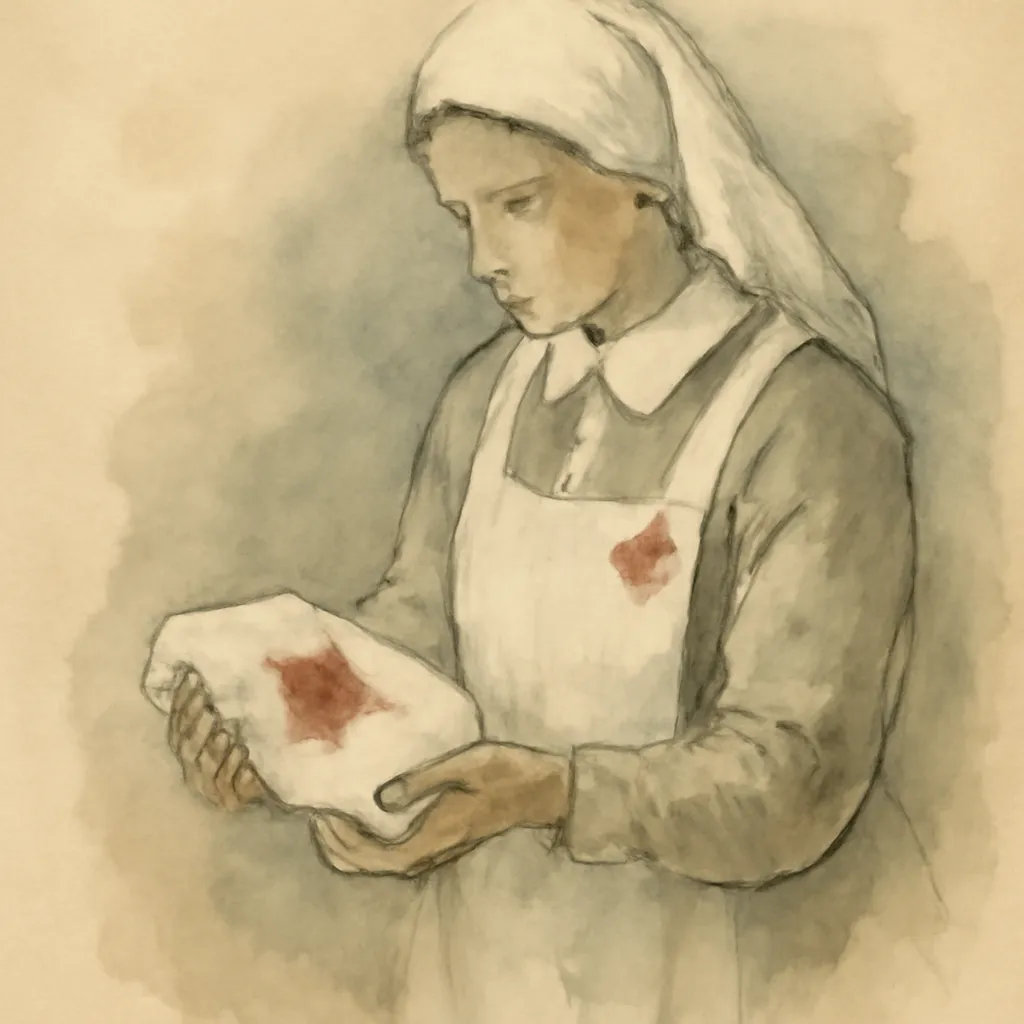
Brittain’s journey from sheltered provincial girl to war nurse and, ultimately, to a committed pacifist and feminist, is central to the memoir. Her direct exposure to the suffering of soldiers and civilians alike catalyzes her political and personal awakening. The book traces how trauma can lead to profound self-examination and a lifelong commitment to social causes.
3.The Lost Generation
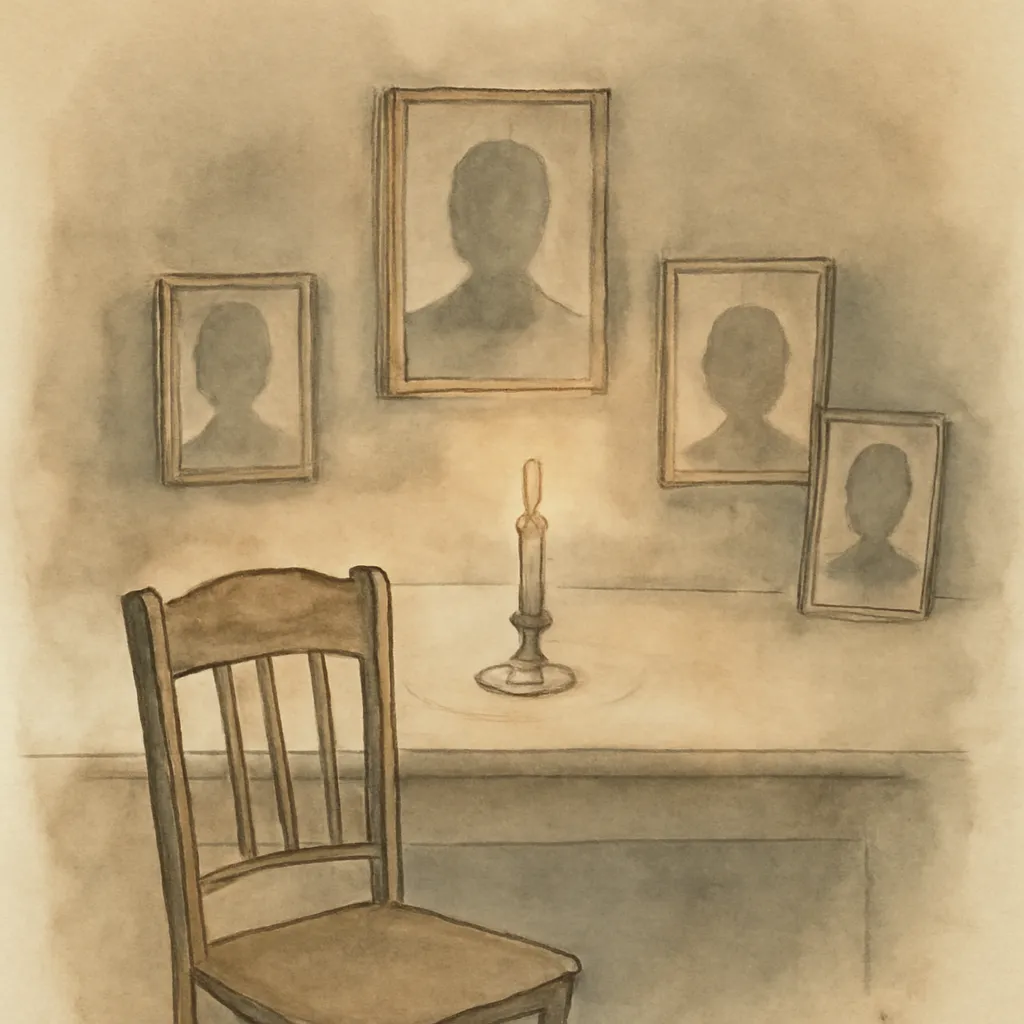
Testament of Youth is a definitive account of the so-called 'Lost Generation.' Brittain’s experiences reflect the collective trauma of young people whose lives were upended or ended by the war. Her story is both unique and representative, capturing the sense of dislocation, disillusionment, and the struggle to find meaning in a postwar world.
4.Women’s Roles and Feminism
Brittain’s experiences as a nurse and as a woman at Oxford illuminate the shifting roles of women during and after the war. She confronts gender barriers in education and work, and her growing feminist perspective is woven throughout the memoir. The book is a call for recognition of women’s sacrifices and capabilities, and an argument for their equal place in society.
5.Memory, Mourning, and Testimony
Brittain is acutely aware of her responsibility to remember and bear witness. The memoir is shaped by her determination to preserve the memory of those lost and to articulate the emotional truth of her generation’s suffering. Testament of Youth is as much an act of mourning as it is a historical record, using personal narrative to challenge collective amnesia.
6.The Search for Meaning After Catastrophe
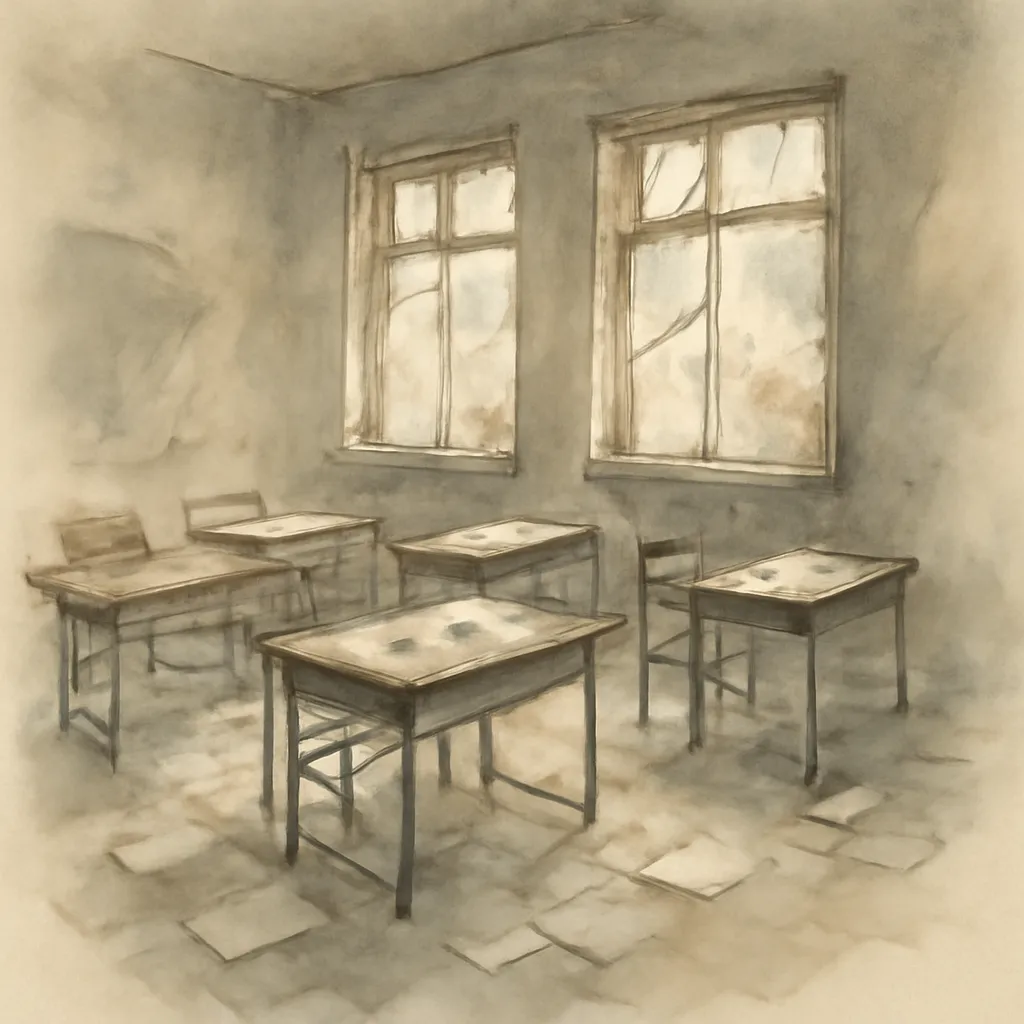
After the war, Brittain grapples with how to rebuild her life and find purpose amid loss. Her return to Oxford, her friendships, and her activism are all attempts to create meaning from tragedy. The memoir explores the tension between despair and hope, and the possibility of forging a new identity after unimaginable upheaval.