English Personal narratives · Communism · Travel
Homage to Catalonia by George Orwell — Summary, Key Ideas & Quotes
1938246 pages✦ 3-min Big ideas★ 4.2 (28)
Rate it
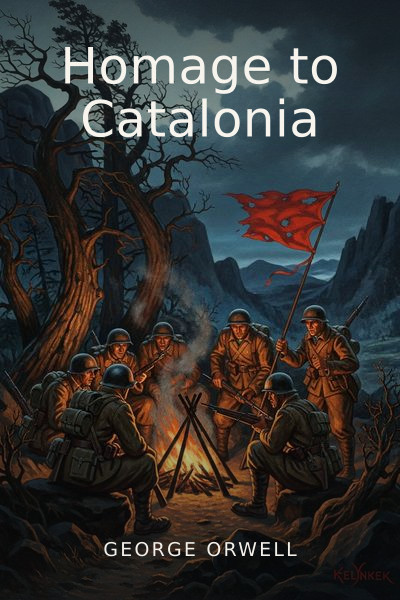
[Homage to Catalonia][1] is [George Orwell][2]'s account of his experiences fighting in the 'Spanish Civil War'. Alongside many British workers, trades unionists, and socialists keen to help the Spanish defend their Republic from General Franco's Fascist forces. Orwell joined the [POUM][3] Militia in the Catalan region of Spain, was injured in the fighting and invalided back to England. After leaving the front line preparatory to leaving Spain, Orwell saw for himself the machinations of the Communist Party leading to the POUM being declared 'Enemies of the People' along with its destruction. Which he expresses in his companion piece the Essay [Looking back on the Spanish War][4]. These are fuller descriptions of events culled from direct experience, than many especially current misrepresentations of the Spanish Conflict. English film director [Ken Loach][5] made a landmark film [Land and Freedom][6] of the Spanish anti fascist struggle with many similarities to George Orwell's story including that of perspective. The book and film can be appreciated in their own right or as companion pieces.
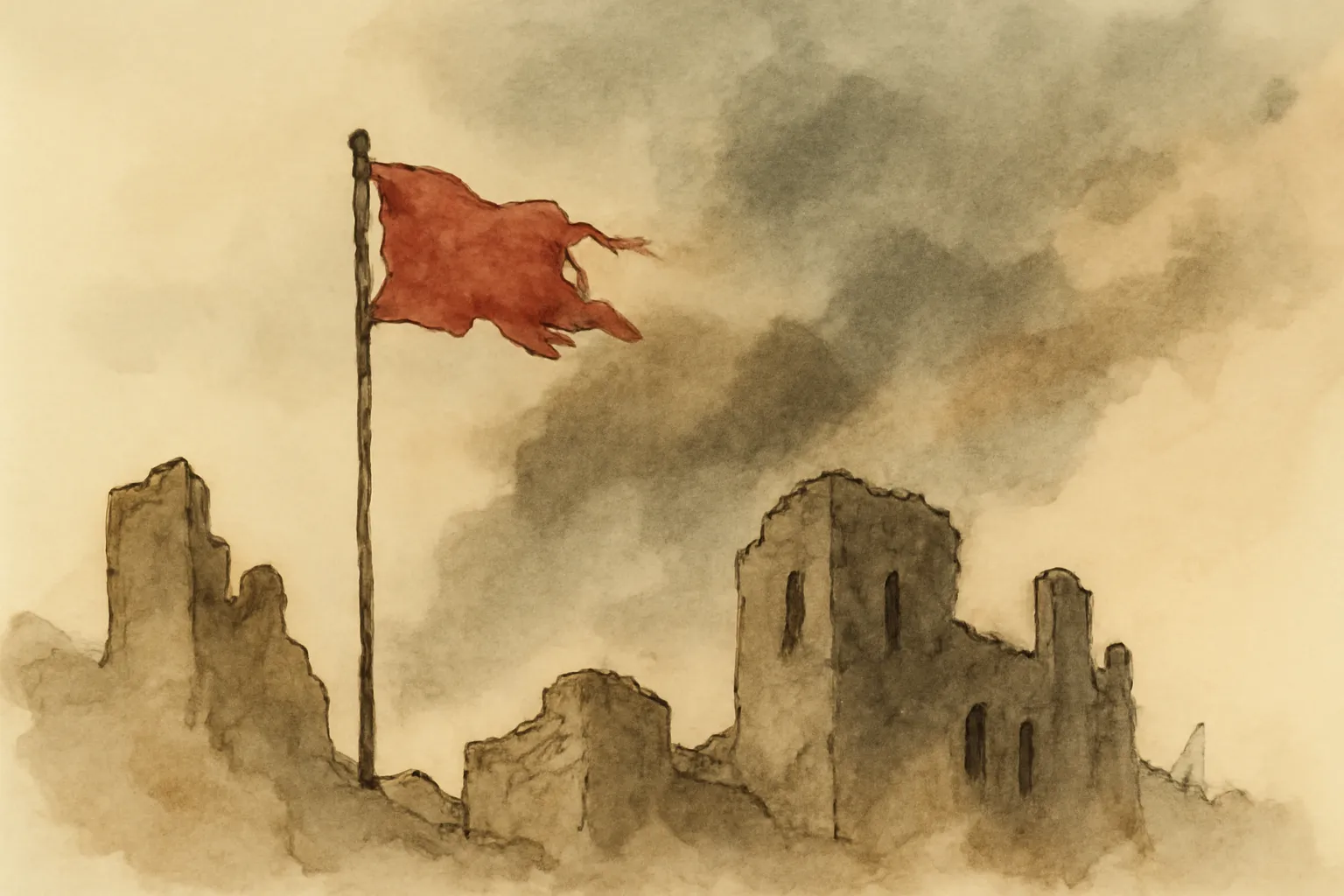
Orwell arrived in Spain inspired by the ideal of a workers’ revolution, but quickly encountered the grim, chaotic, and often squalid reality of trench warfare. The book exposes the gulf between the romanticized vision of fighting fascism and the actual confusion, discomfort, and danger faced by soldiers. Orwell’s honesty about his own disillusionment challenges the notion that political causes are always noble in practice, reminding readers that war is rarely as clear-cut as propaganda suggests.
One of the book’s central revelations is how leftist infighting—particularly between anarchists, socialists, and communists—crippled the anti-fascist effort. Orwell describes how the Communist Party, backed by Soviet influence, targeted rival leftist groups like the POUM (which Orwell fought with), labeling them as traitors. This internal strife led to purges, arrests, and even executions, undermining the Republican cause from within. The book is a powerful warning about the dangers of ideological purity and political dogmatism.
“I had come to Spain with some notion of writing newspaper articles, but I had joined the militia almost immediately, because at that time and in that atmosphere it seemed the only conceivable thing to do.”
“The whole experience of being hit by a bullet is very interesting and I think it is worth describing in detail.”
“One of the most horrible features of war is that all the war-propaganda, all the screaming and lies and hatred, comes invariably from people who are not fighting.”