1.The Reality of War vs. Revolutionary Idealism
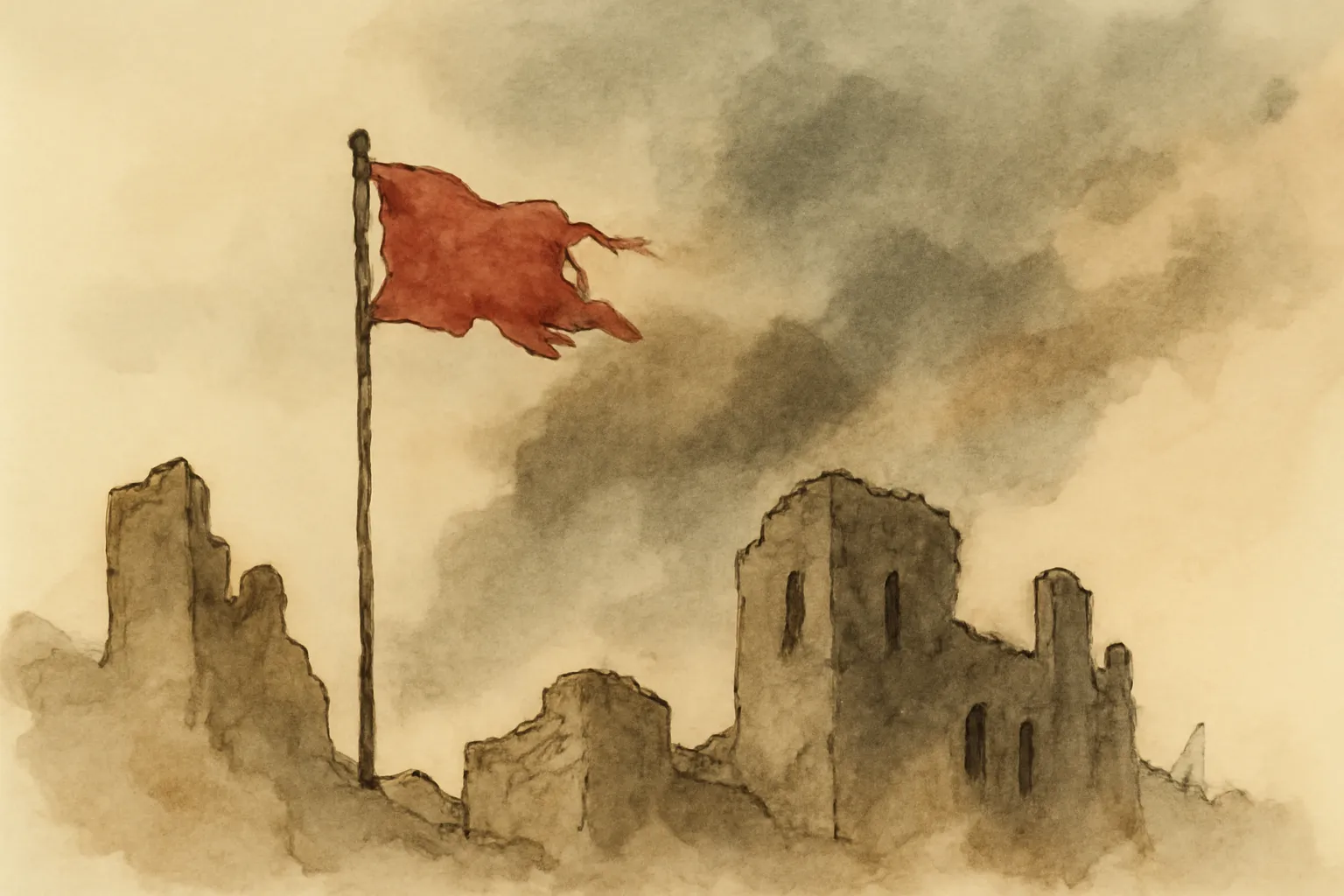
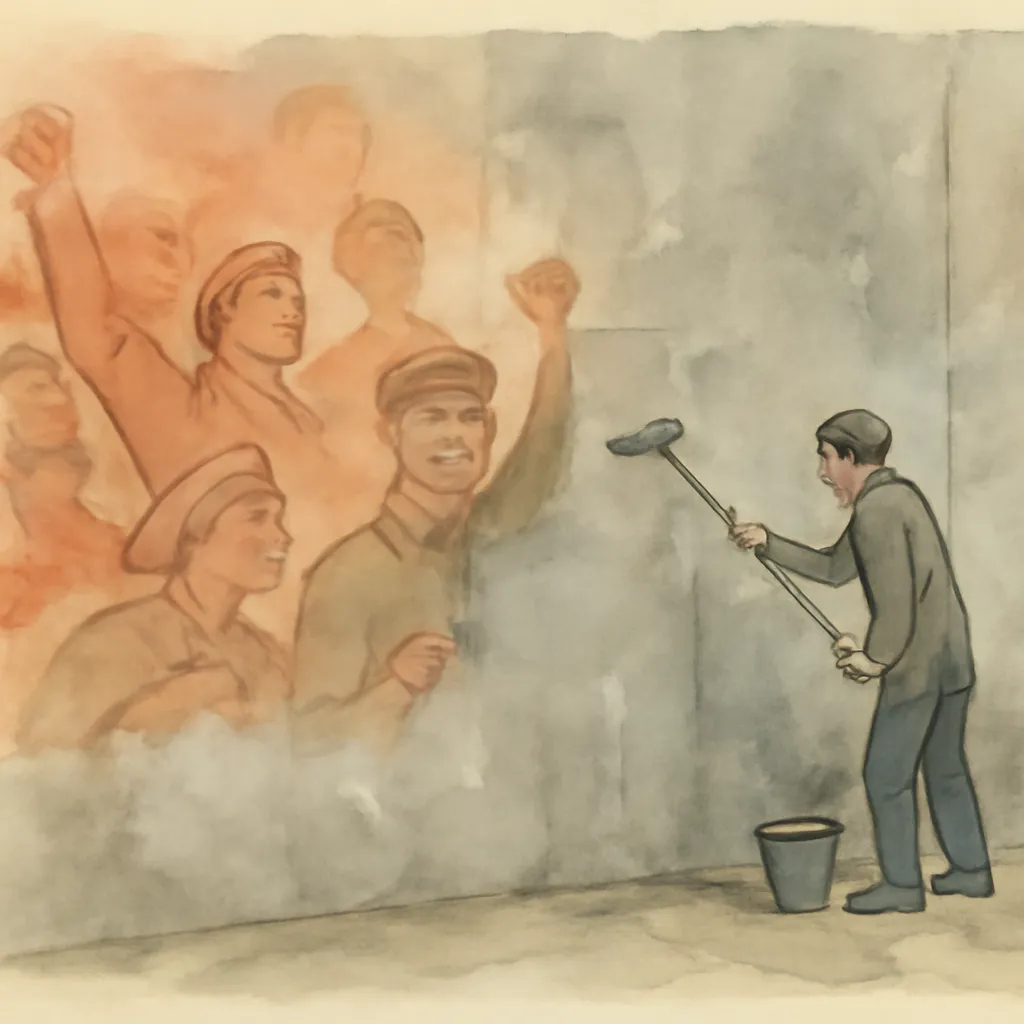
Orwell arrived in Spain inspired by the ideal of a workers’ revolution, but quickly encountered the grim, chaotic, and often squalid reality of trench warfare. The book exposes the gulf between the romanticized vision of fighting fascism and the actual confusion, discomfort, and danger faced by soldiers. Orwell’s honesty about his own disillusionment challenges the notion that political causes are always noble in practice, reminding readers that war is rarely as clear-cut as propaganda suggests.
2.Factionalism and Betrayal on the Left
One of the book’s central revelations is how leftist infighting—particularly between anarchists, socialists, and communists—crippled the anti-fascist effort. Orwell describes how the Communist Party, backed by Soviet influence, targeted rival leftist groups like the POUM (which Orwell fought with), labeling them as traitors. This internal strife led to purges, arrests, and even executions, undermining the Republican cause from within. The book is a powerful warning about the dangers of ideological purity and political dogmatism.
3.The Manipulation of Truth and Propaganda
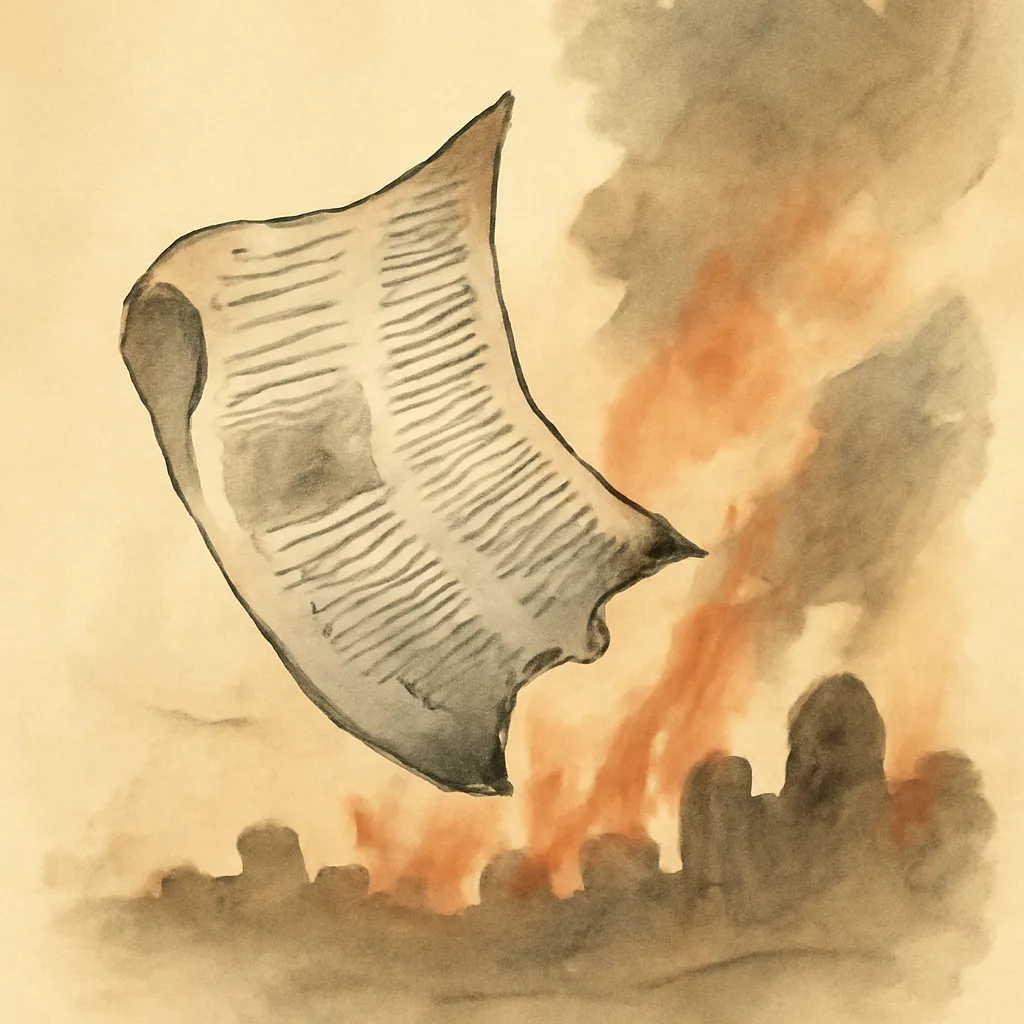
Orwell is acutely aware of how truth is manipulated during wartime. He documents how newspapers and political leaders distorted events, creating false narratives to serve their agendas. His experience in Spain became a foundational moment in his lifelong critique of propaganda and the abuse of language, themes that would later shape his most famous works. Homage to Catalonia urges readers to question official accounts and to recognize how easily facts can be bent to fit ideology.
4.The Ordinary Soldier’s Perspective
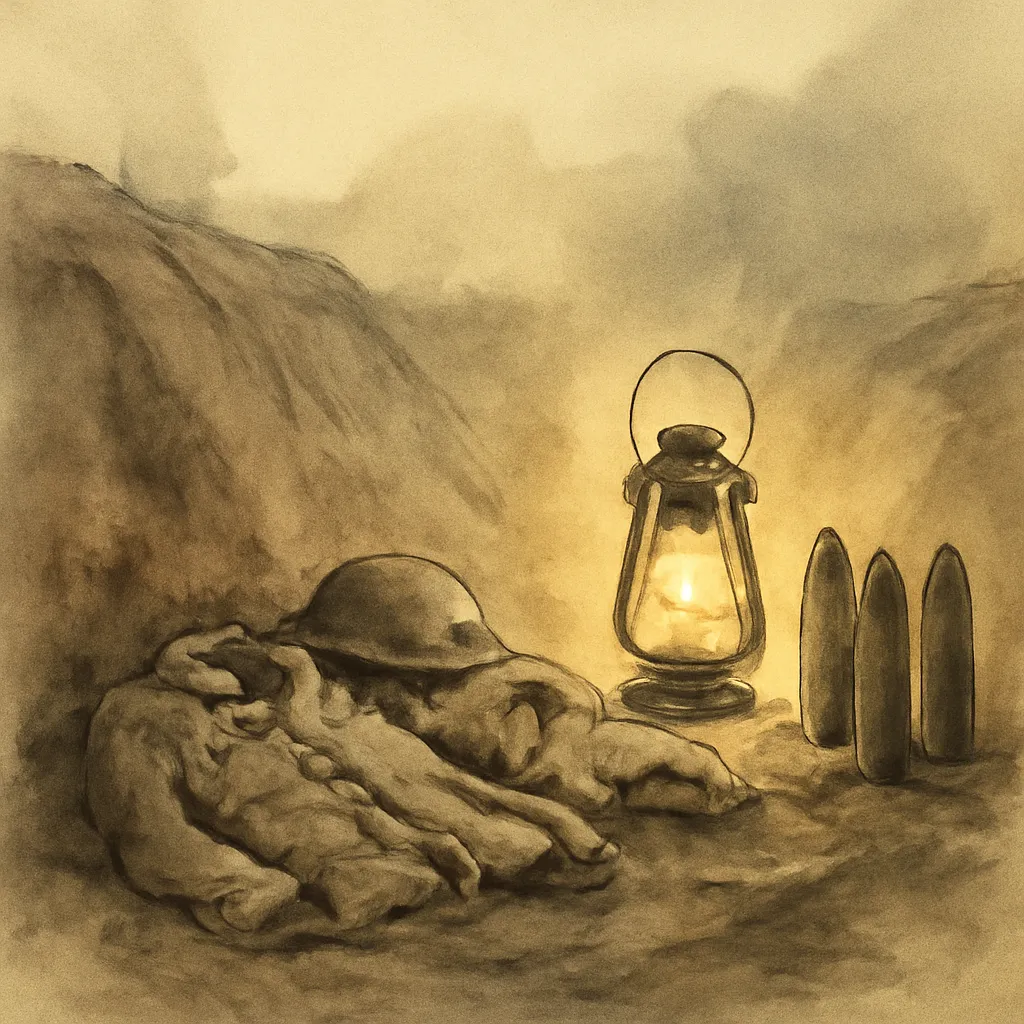
Unlike many war memoirs that focus on generals or political leaders, Orwell’s account centers on the daily life of ordinary militiamen. He describes the camaraderie, boredom, hunger, and fear that define life at the front, as well as the small acts of kindness and solidarity that persist even amid chaos. This ground-level view humanizes the conflict and highlights the resilience of individuals caught in forces much larger than themselves.
5.Disillusionment and the Complexity of Political Commitment
Orwell’s journey through the Spanish Civil War is also a journey from idealism to a more nuanced, sometimes bitter understanding of politics. He remains committed to fighting fascism, but becomes deeply skeptical of any movement that suppresses dissent or sacrifices truth for expedience. The book’s lasting message is that political commitment must be tempered by critical thinking and a refusal to blindly follow any party line.
6.Catalonia as a Symbol of Lost Revolutionary Hope
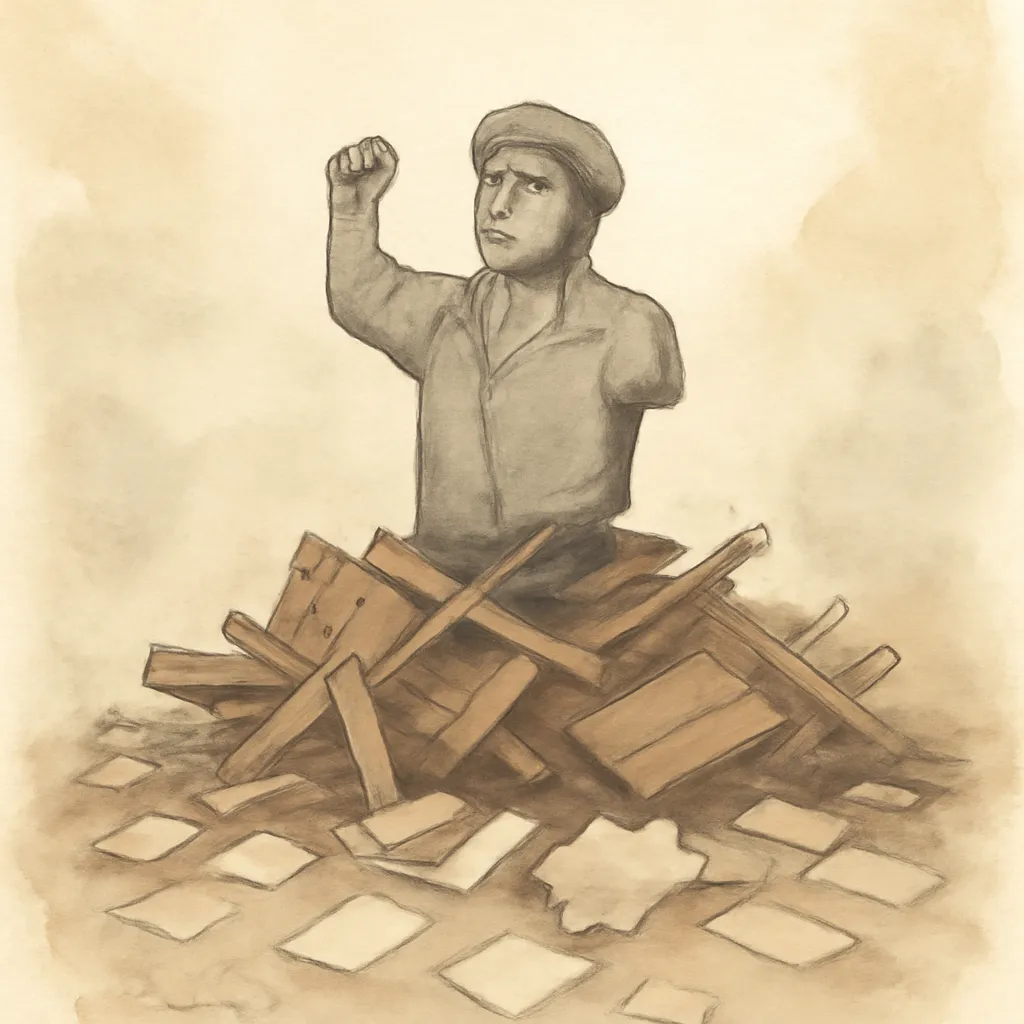
Orwell’s depiction of Barcelona and Catalonia captures a fleeting moment when radical social change seemed possible. The collectivized society he witnesses—trains run by workers, egalitarian relationships—stands in stark contrast to the later repression. The loss of this revolutionary spirit, crushed by both external enemies and internal betrayal, becomes a symbol for the failure of utopian dreams in the face of real-world power struggles.