The Road to Wigan Pier by George Orwell — Summary, Key Ideas & Quotes
2021✦ 3-min Big ideas
Rate it
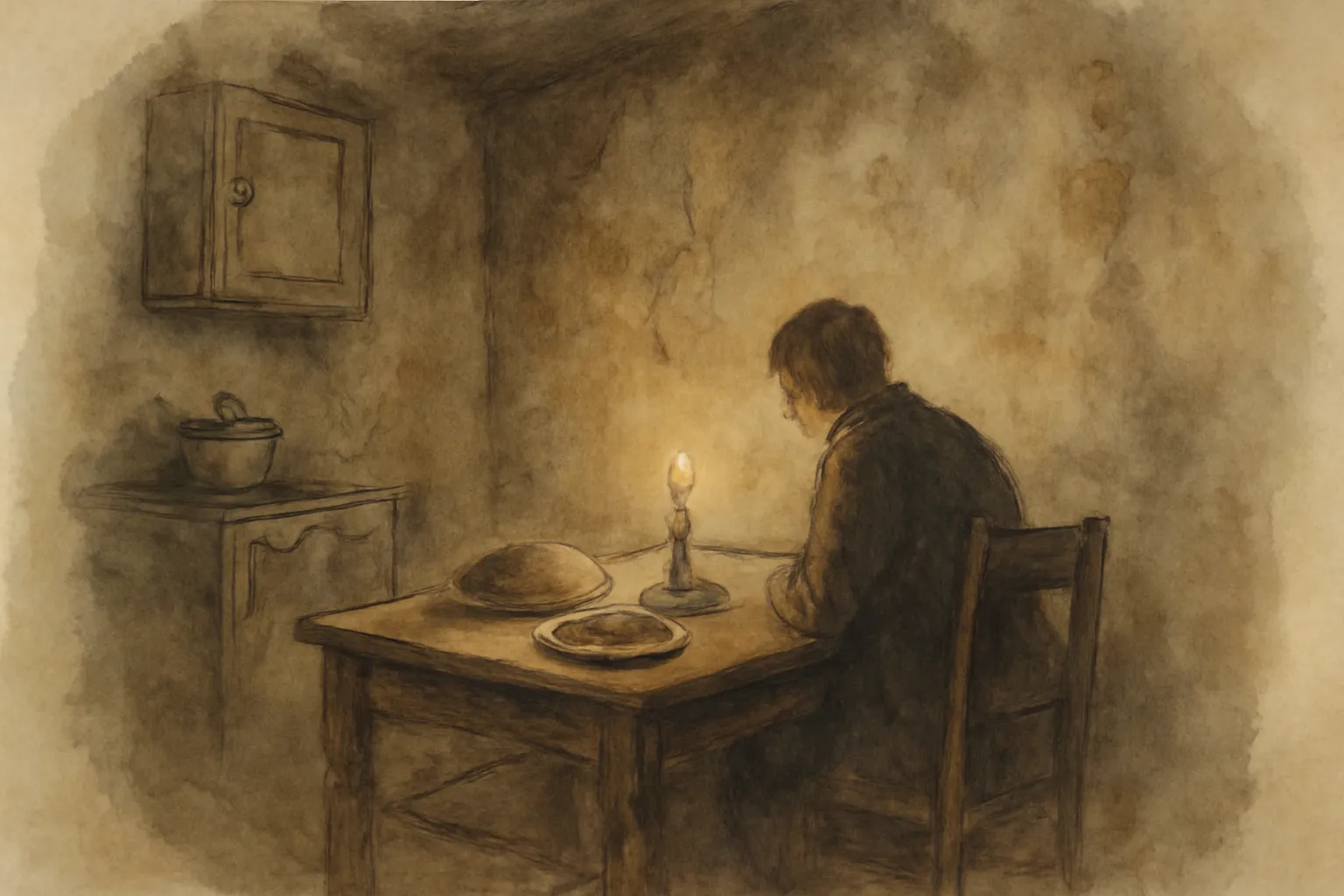
Orwell’s firsthand observations of coal miners and their families expose the grinding hardship of industrial England. He details the squalid housing, inadequate diets, and dangerous working conditions that define everyday life for the poor. By immersing himself in their world, Orwell challenges readers to confront the physical and psychological toll of poverty, emphasizing that these conditions are not isolated but systemic and widespread.
A central theme is the gulf—both material and emotional—between the working class and the middle class. Orwell reflects on his own upbringing and the prejudices that shape perceptions of the poor. He argues that class divisions are maintained not just by economics but by ingrained attitudes, habits, and social codes that make true solidarity difficult.
“The slums are a standing monument to the capitalist system.”
“One has to belong to the intelligentsia to believe things like that: no ordinary man could be such a fool.”
“For, after all, what is there behind it, except a sense of injustice, a sense of the enormous waste and squalor of modern life?”