futurology · censorship · surveillance
1984 by George Orwell — Summary, Key Ideas & Quotes
1949318 pages✦ 3-min Big ideas★ 4.3 (415)
Rate it
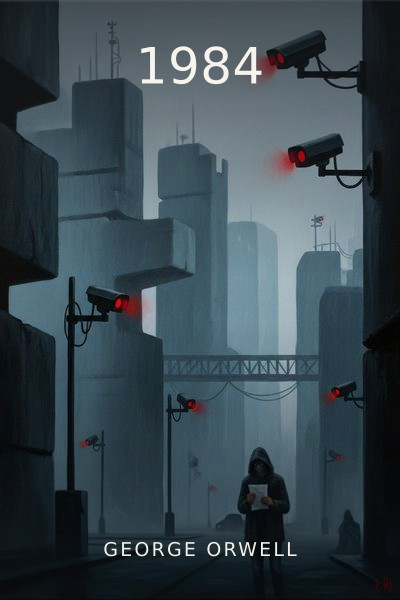
Nineteen Eighty-Four: A Novel, often referred to as 1984, is a dystopian social science fiction novel by the English novelist George Orwell (the pen name of Eric Arthur Blair). It was published on 8 June 1949 by Secker & Warburg as Orwell's ninth and final book completed in his lifetime. Thematically, Nineteen Eighty-Four centres on the consequences of totalitarianism, mass surveillance, and repressive regimentation of persons and behaviours within society. Orwell, himself a democratic socialist, modelled the authoritarian government in the novel after Stalinist Russia. More broadly, the novel examines the role of truth and facts within politics and the ways in which they are manipulated.
Also contained in: Novels (Animal Farm / Burmese Days / Clergyman's Daughter / Coming Up for Air / Keep the Aspidistra Flying / Nineteen Eighty-Four) Novels (Animal Farm / Nineteen Eighty-Four) Orwell's Nineteen Eighty-Four: Text, Sources, Criticism
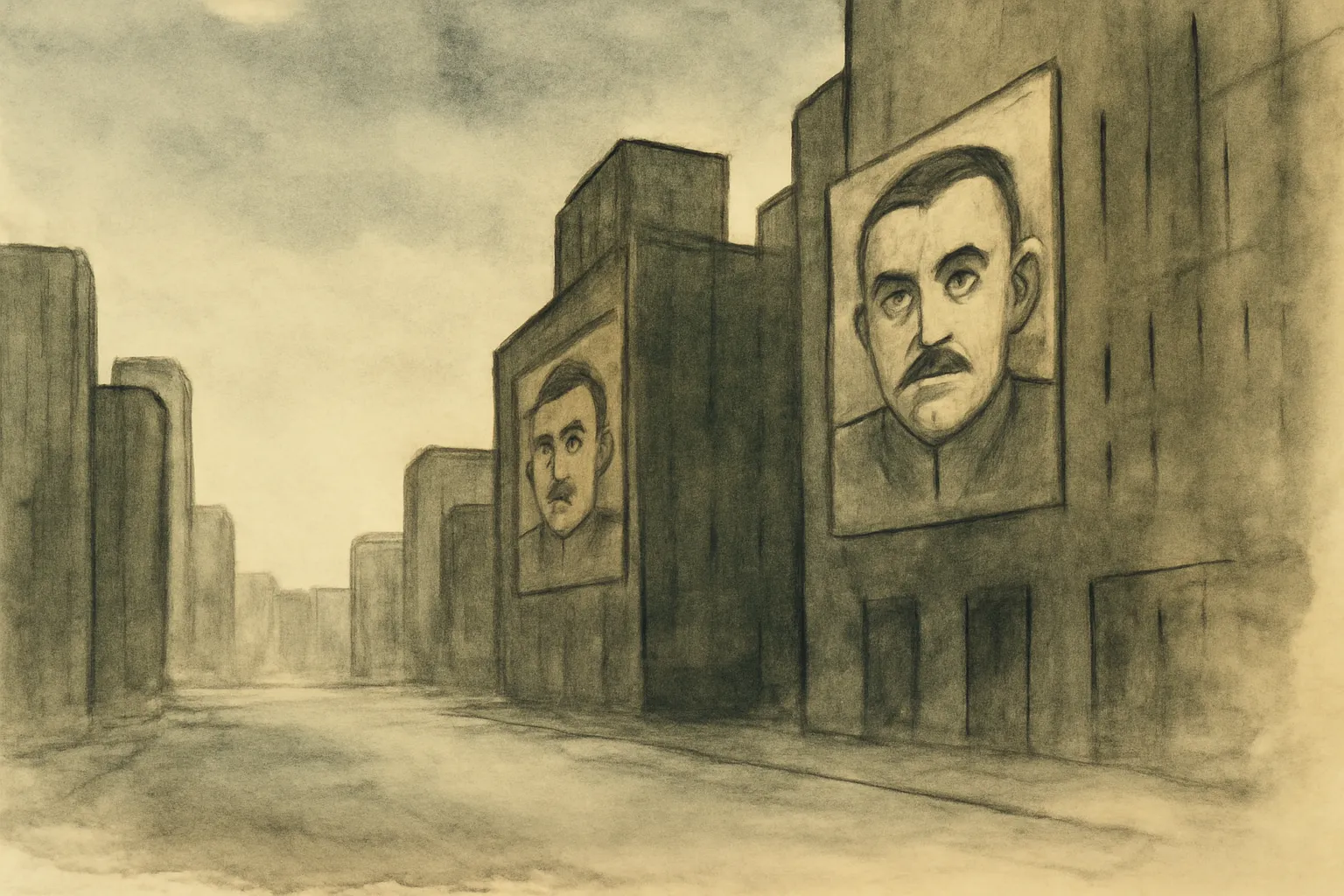
At the heart of 1984 is the Party’s absolute control over every aspect of life in Oceania. Through constant surveillance—embodied by the ever-watchful Big Brother—citizens are stripped of privacy and autonomy. The telescreens, informants, and the Thought Police create an environment where even private thoughts can be policed and punished. This omnipresent monitoring is not just about catching dissent, but about instilling fear and self-censorship, ensuring that loyalty to the Party is not only public but internalized.
The Party’s power is maintained through its control of information. By rewriting history and dictating what is true or false, the regime erases inconvenient facts and manufactures reality. The concept of 'doublethink'—the ability to hold two contradictory beliefs at once—becomes essential for survival. This manipulation of truth is not just propaganda; it is a tool for shaping citizens’ perceptions and making independent thought impossible.
“Big Brother is watching you.”
“War is peace. Freedom is slavery. Ignorance is strength.”
“Who controls the past controls the future. Who controls the present controls the past.”
“If you want a picture of the future, imagine a boot stamping on a human face—forever.”
“Freedom is the freedom to say that two plus two make four. If that is granted, all else follows.”