1.Totalitarian Control and Surveillance
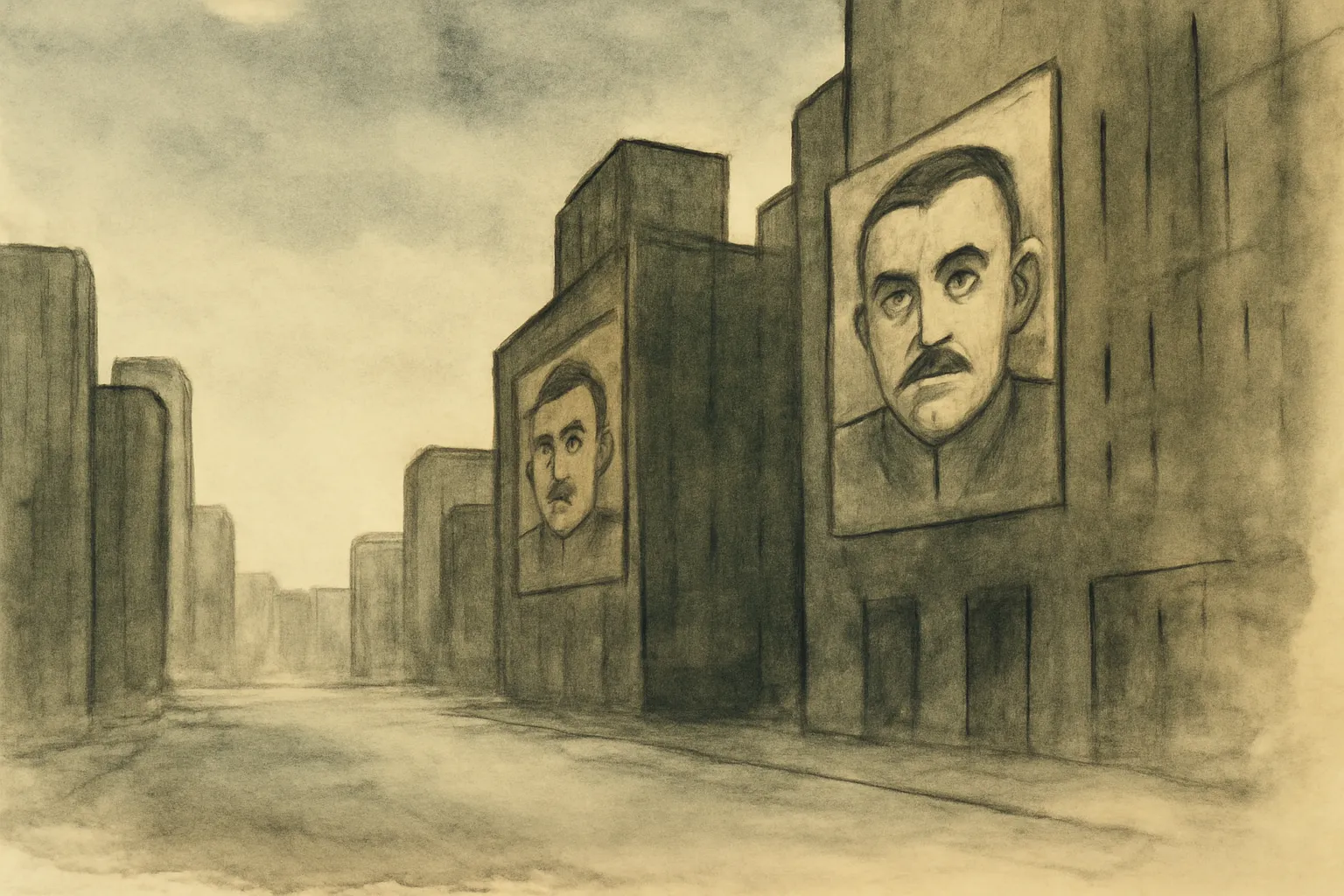
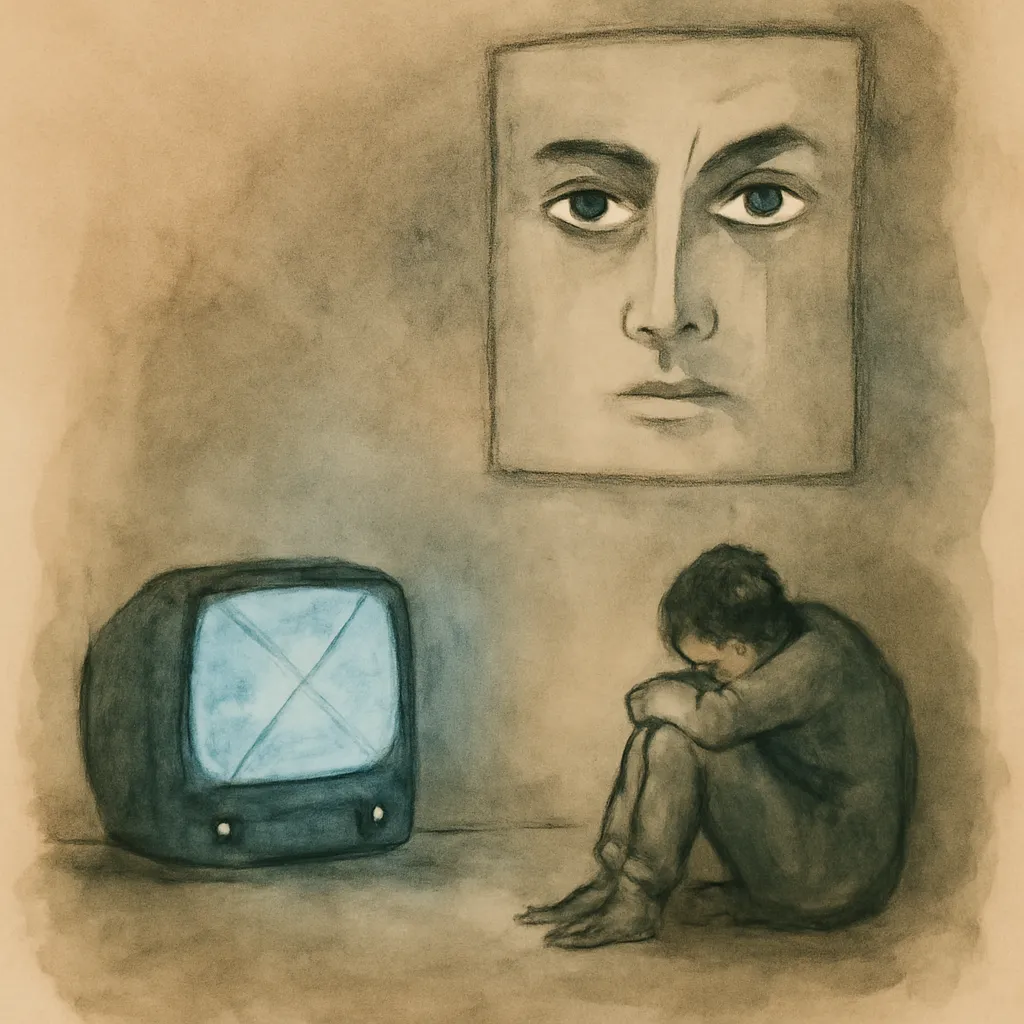
At the heart of 1984 is the Party’s absolute control over every aspect of life in Oceania. Through constant surveillance—embodied by the ever-watchful Big Brother—citizens are stripped of privacy and autonomy. The telescreens, informants, and the Thought Police create an environment where even private thoughts can be policed and punished. This omnipresent monitoring is not just about catching dissent, but about instilling fear and self-censorship, ensuring that loyalty to the Party is not only public but internalized.
2.Manipulation of Truth and Reality
The Party’s power is maintained through its control of information. By rewriting history and dictating what is true or false, the regime erases inconvenient facts and manufactures reality. The concept of 'doublethink'—the ability to hold two contradictory beliefs at once—becomes essential for survival. This manipulation of truth is not just propaganda; it is a tool for shaping citizens’ perceptions and making independent thought impossible.
3.Language as a Tool of Oppression
Orwell introduces 'Newspeak,' a language designed to limit the range of thought. By eliminating words associated with rebellion or even nuanced emotion, the Party aims to make dissent literally unthinkable. The shrinking of language is a metaphor for the shrinking of freedom: when people lack the words to express resistance, resistance itself becomes impossible.
4.Psychological Manipulation and Loyalty
1984 delves into the psychological mechanisms that sustain totalitarian rule. The Party doesn’t just demand obedience; it seeks to control love, loyalty, and even desire. Through orchestrated hate sessions and the destruction of personal relationships, the regime redirects all emotional energy toward itself. The ultimate goal is not just outward compliance, but inward devotion to Big Brother.
5.The Fragility of Individuality and Rebellion
Winston Smith’s struggle is a testament to the difficulty of maintaining individuality in a repressive system. His small acts of rebellion—keeping a diary, falling in love—are fraught with danger. Orwell shows how totalitarianism crushes not only bodies but spirits, and how even genuine resistance can be co-opted or destroyed by a system that anticipates and manipulates dissent.
6.The Enduring Relevance of 1984
Though written in 1949, 1984’s warnings about surveillance, propaganda, and the erosion of truth resonate in the modern world. The novel’s vocabulary—'Big Brother,' 'Orwellian,' 'doublethink'—has become shorthand for abuses of power. Its depiction of a society where reality is dictated from above serves as a cautionary tale about the importance of vigilance and the defense of civil liberties.