1.The Reality of Working-Class Poverty
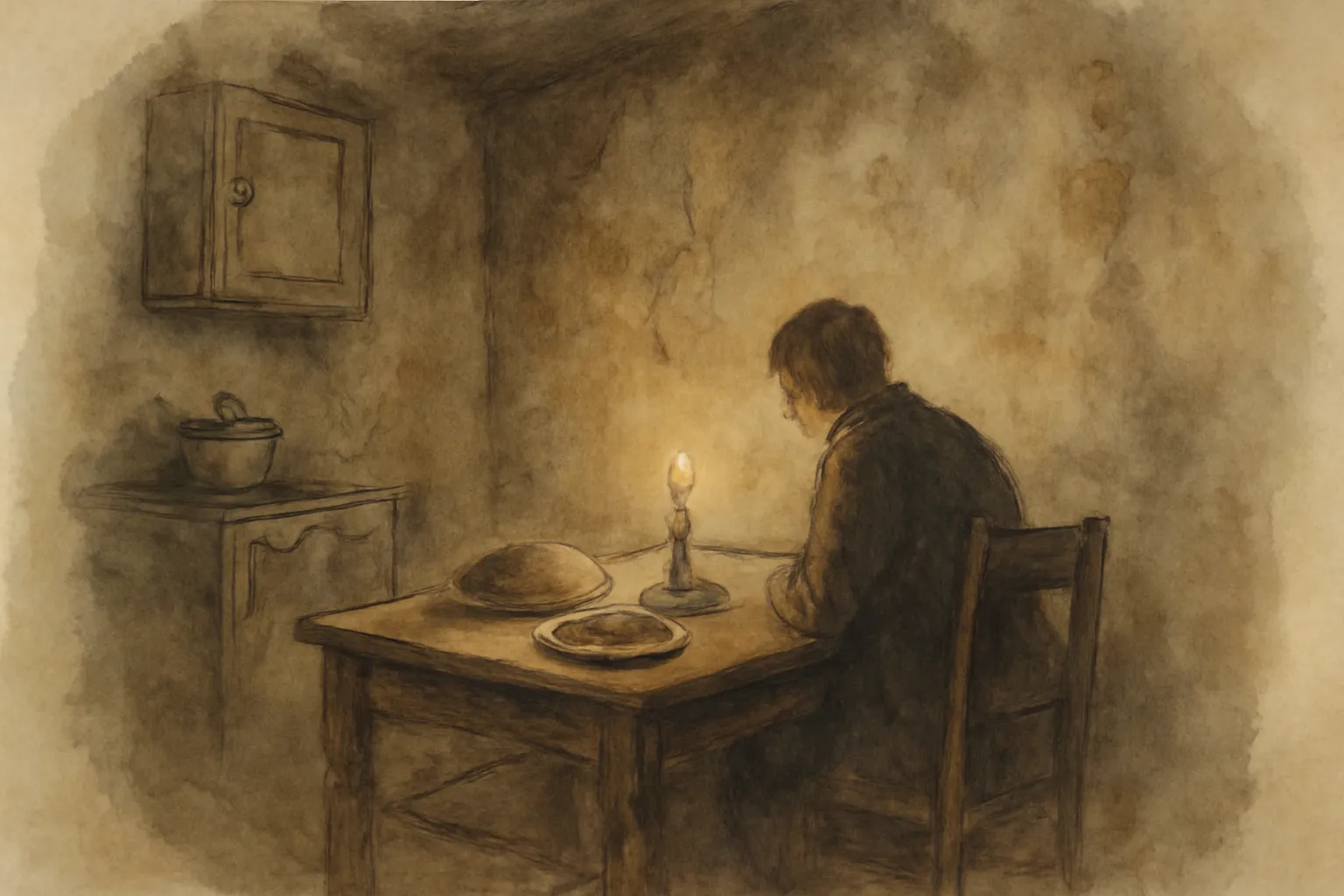
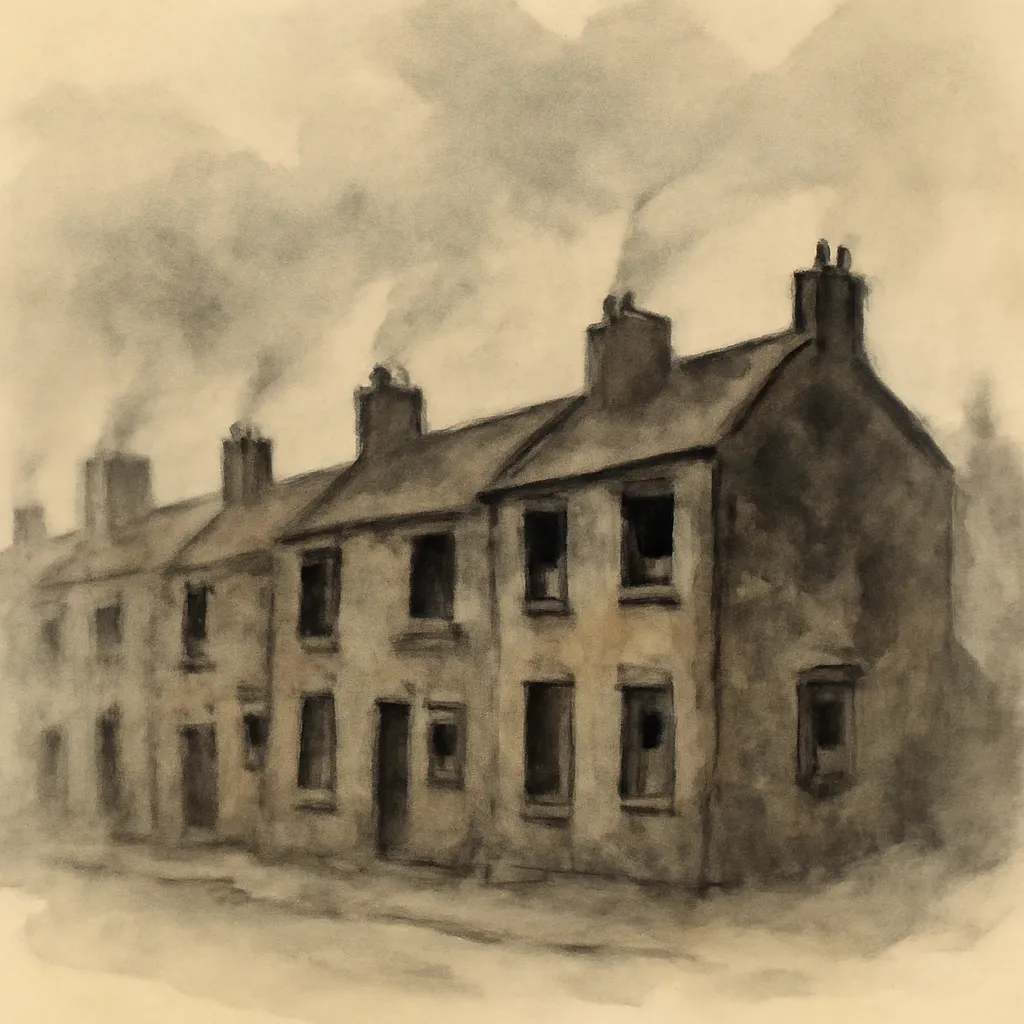
Orwell’s firsthand observations of coal miners and their families expose the grinding hardship of industrial England. He details the squalid housing, inadequate diets, and dangerous working conditions that define everyday life for the poor. By immersing himself in their world, Orwell challenges readers to confront the physical and psychological toll of poverty, emphasizing that these conditions are not isolated but systemic and widespread.
2.The Distance Between Classes
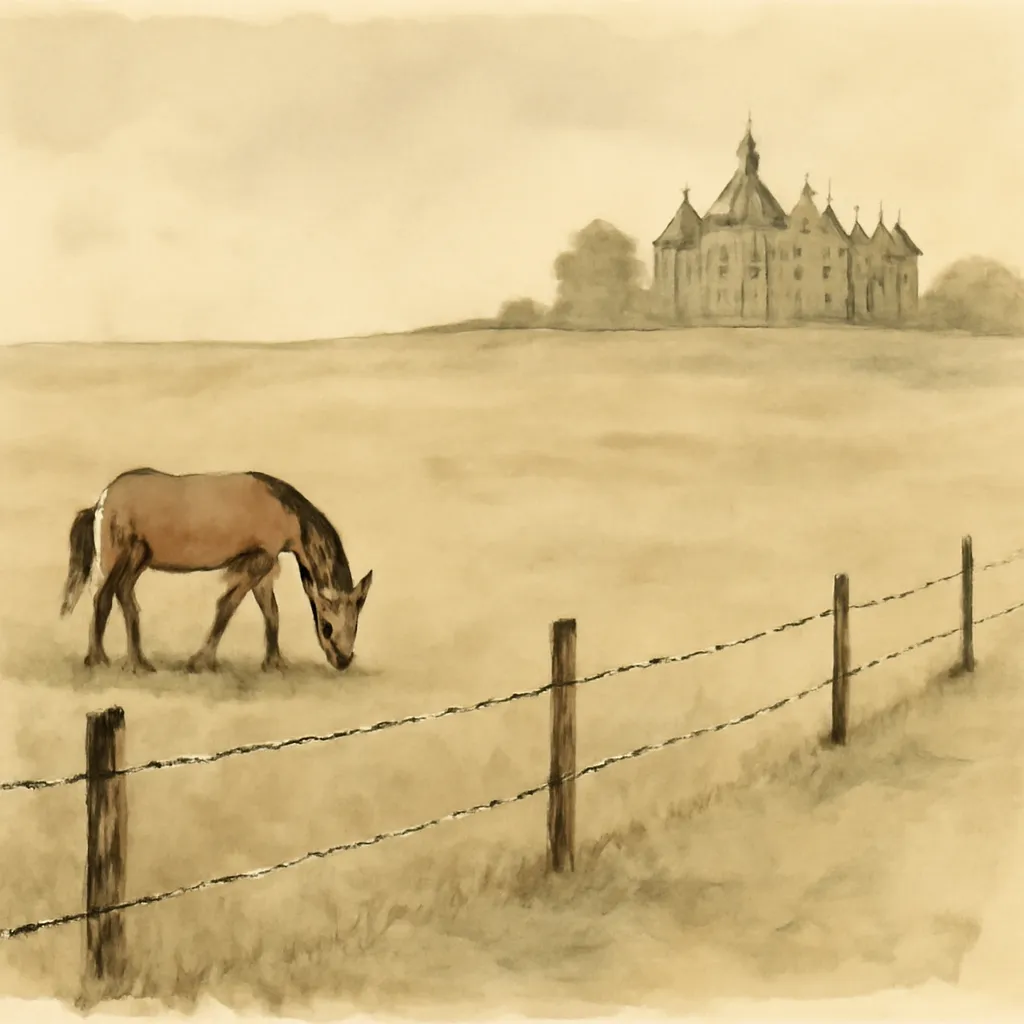
A central theme is the gulf—both material and emotional—between the working class and the middle class. Orwell reflects on his own upbringing and the prejudices that shape perceptions of the poor. He argues that class divisions are maintained not just by economics but by ingrained attitudes, habits, and social codes that make true solidarity difficult.
3.The Challenge of Socialism’s Image
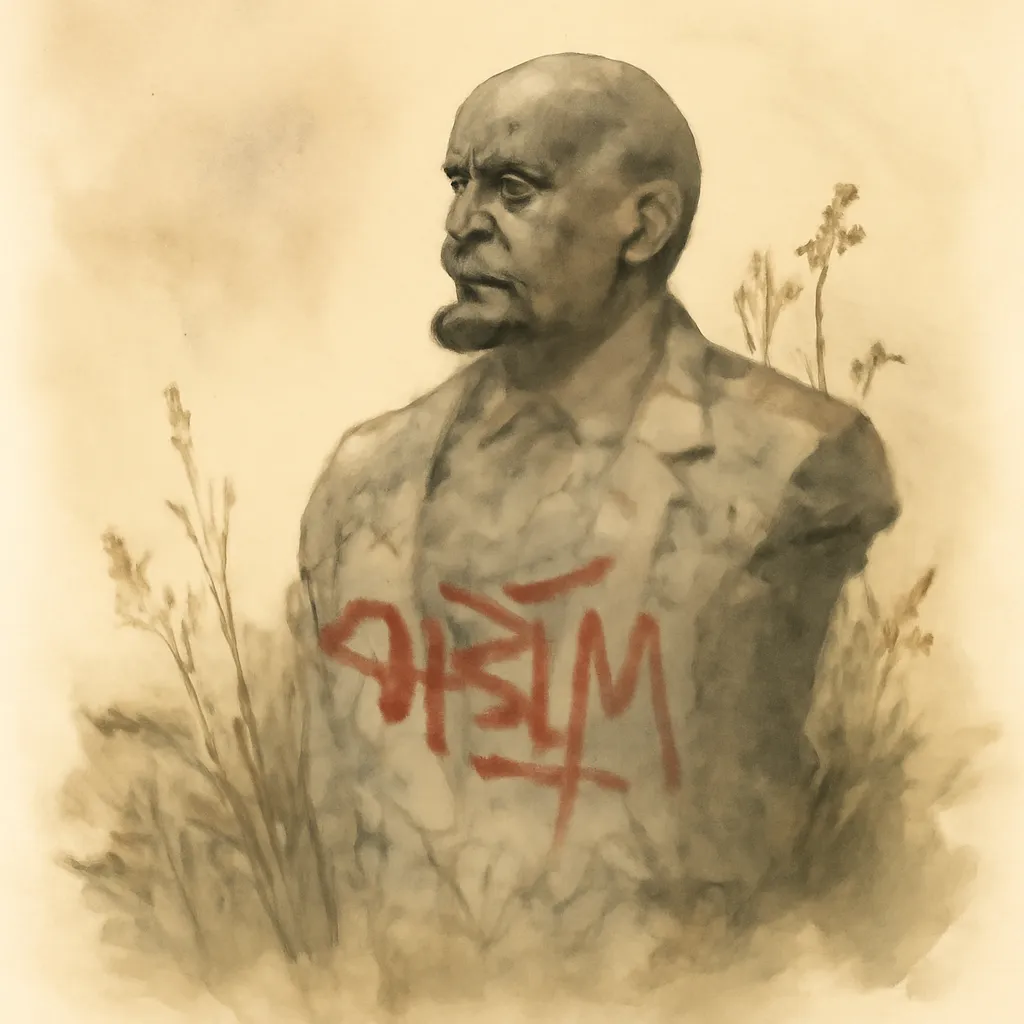
Orwell is sympathetic to socialism but deeply critical of its public image and the types of people it attracts. He contends that the movement is often undermined by dogmatism, eccentricity, and a disconnect from the very people it seeks to help. This critique anticipates later debates about how political movements can alienate those they claim to represent.
4.The Role of Personal Experience in Political Beliefs
Orwell insists that genuine understanding of social issues requires direct experience. He uses his own journey as an example, suggesting that abstract theories are insufficient without empathy and firsthand knowledge. This approach grounds his political arguments in lived reality rather than ideology.
5.The Need for Moral Clarity
Throughout the book, Orwell urges readers to look beyond slogans and party lines to the ethical core of social justice. He warns against both complacency and fanaticism, advocating for a clear-eyed, humane approach to political change. His insistence on honesty and self-criticism remains a powerful call for intellectual integrity.
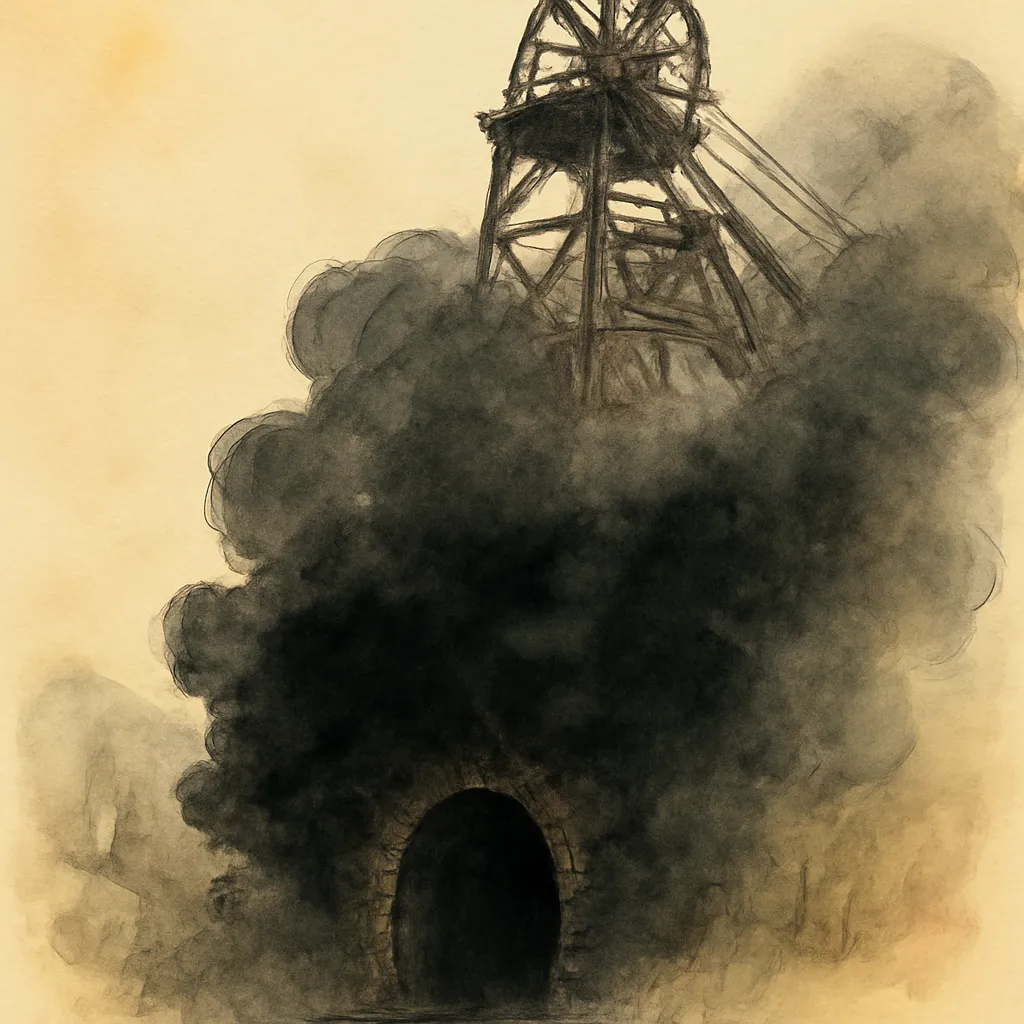
6.Industrialization and Its Human Cost
Orwell’s depiction of coal mining is not just about poverty but about the dehumanizing effects of industrial labor. He shows how technological progress can come at the expense of the workers who make it possible, raising questions about the true price of modernity.