
Computers and civilization · Artificial intelligence · Robots
The Age of Em: Work, Love, and Life when Robots Rule the Earth by Robin Hanson — Summary, Key Ideas & Quotes
2018544 pages✦ 3-min Big ideas
Rate it
Many thinkers believe that the next transformational change in human organisation will be the onset of human-level artificial intelligence (the 'singularity'), and that the most likely method of achieving this will come through brain emulations or "ems": the ability to scan human brains and program their connections into ever faster computers. Taking this as his starting point, Hanson describes what a world dominated by these ems will be like.
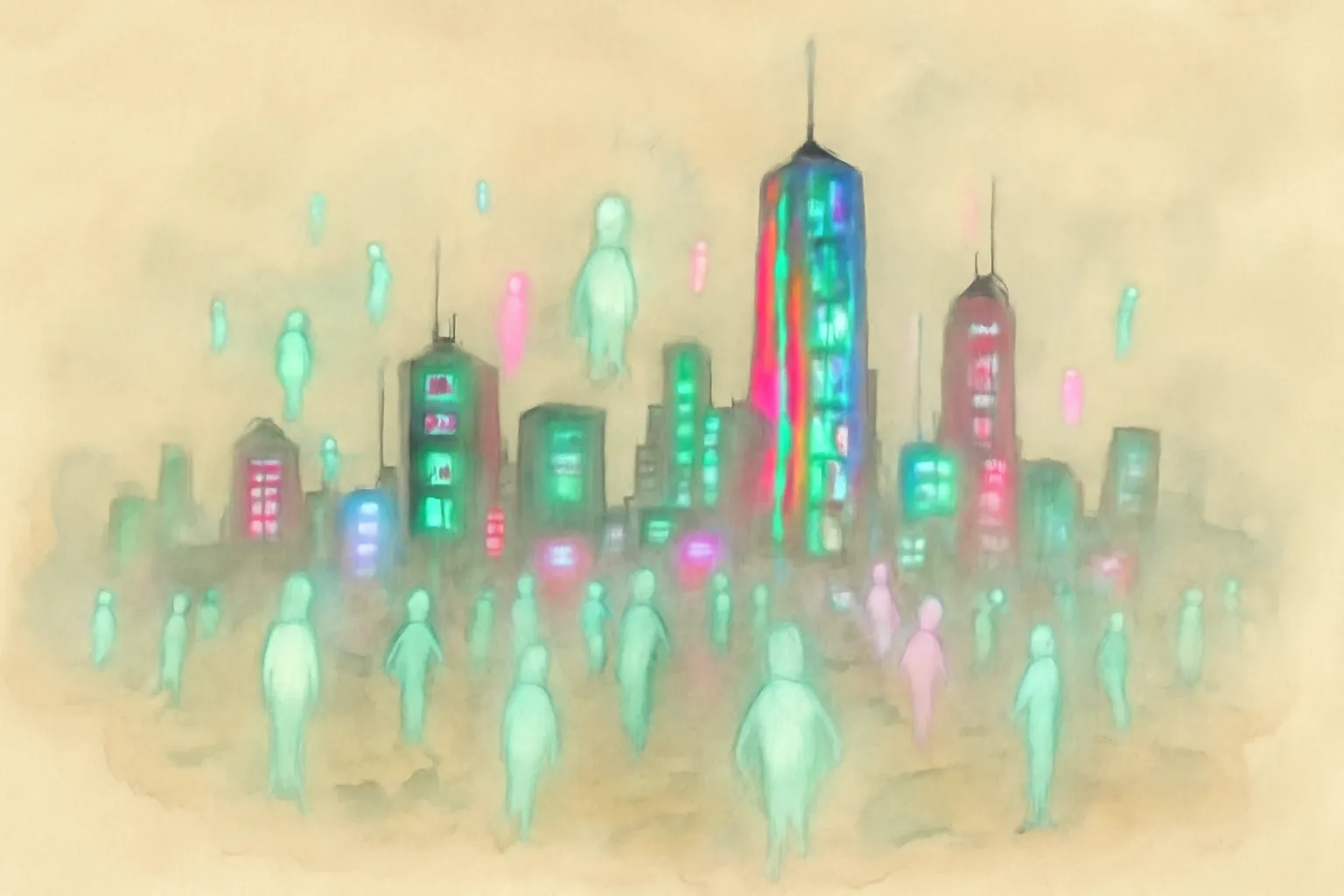
Hanson envisions a world where the dominant form of intelligence is not artificial general intelligence, but rather emulations—digital copies of real human brains running on computers. These 'ems' inherit human quirks, skills, and limitations, but can be copied, sped up, and paused. This creates a society fundamentally different from ours, where population, productivity, and even the pace of life accelerate dramatically. The em world is not a utopia or dystopia, but a logical extrapolation of current trends in neuroscience and computing.
In the age of ems, economic principles still apply, but with new twists. Because ems can be duplicated at low cost, wages for most jobs plummet, and competition becomes fierce. Labor markets become hyper-efficient, favoring the most productive ems, who are often copies of the best human brains. Wealth and status are distributed in new ways, with a few 'originals' and their copies dominating industries. The book explores how property, firms, and inequality might evolve when minds are software.