1.The Em World: A Radical Shift
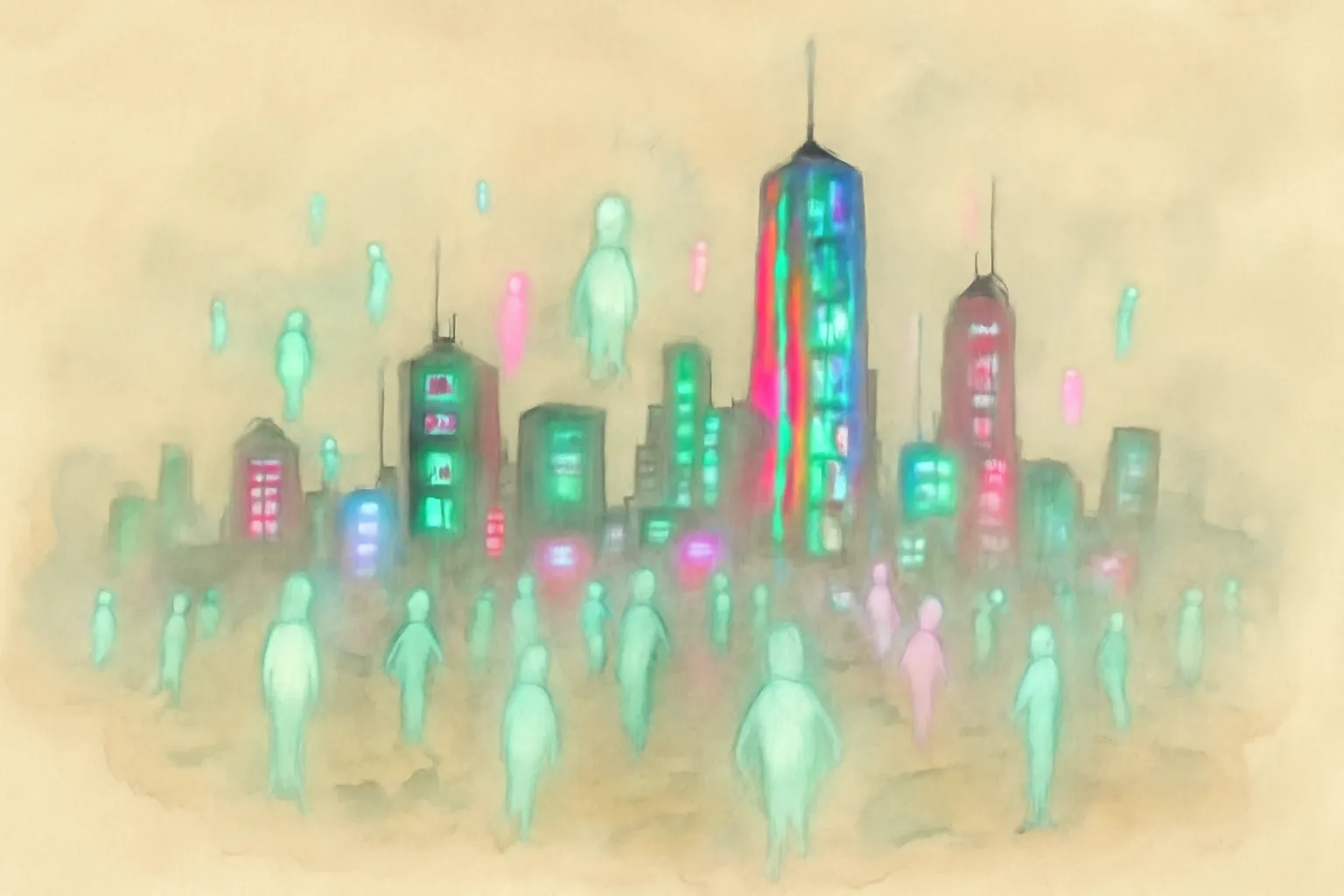
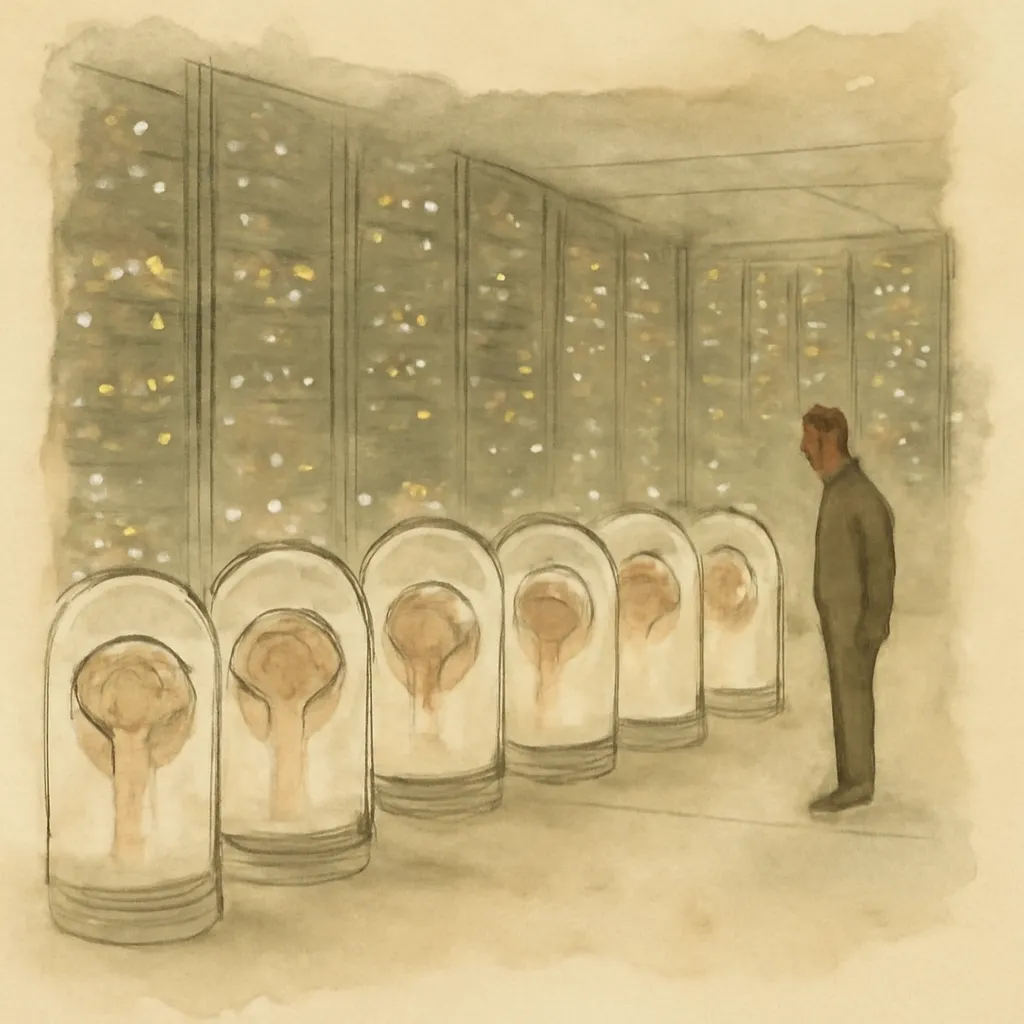
Hanson envisions a world where the dominant form of intelligence is not artificial general intelligence, but rather emulations—digital copies of real human brains running on computers. These 'ems' inherit human quirks, skills, and limitations, but can be copied, sped up, and paused. This creates a society fundamentally different from ours, where population, productivity, and even the pace of life accelerate dramatically. The em world is not a utopia or dystopia, but a logical extrapolation of current trends in neuroscience and computing.
2.Economics of Abundance and Competition
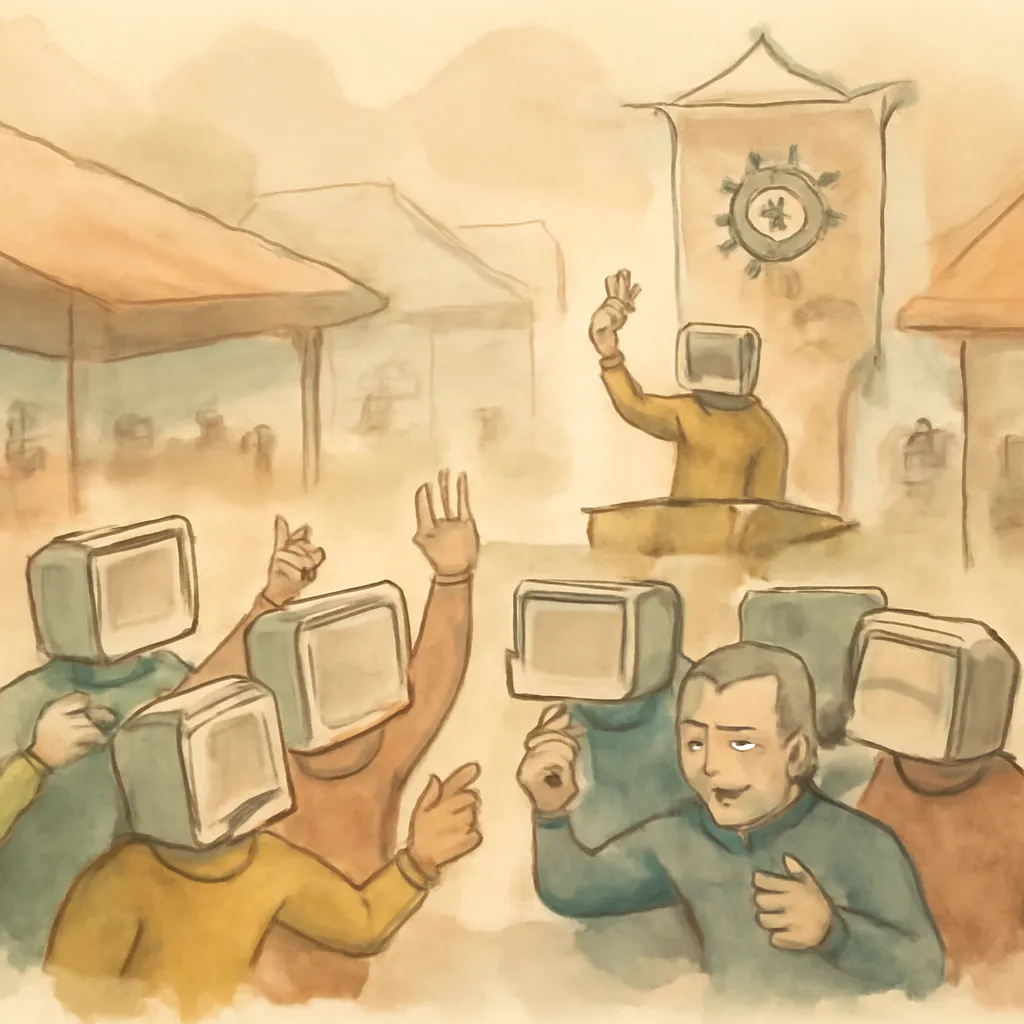
In the age of ems, economic principles still apply, but with new twists. Because ems can be duplicated at low cost, wages for most jobs plummet, and competition becomes fierce. Labor markets become hyper-efficient, favoring the most productive ems, who are often copies of the best human brains. Wealth and status are distributed in new ways, with a few 'originals' and their copies dominating industries. The book explores how property, firms, and inequality might evolve when minds are software.
3.Work and Productivity Redefined
Work in the em era is relentless and highly specialized. Ems can run at different speeds—some living years in subjective time in just a day of real time—allowing organizations to solve problems and make decisions at unprecedented rates. Most ems spend their lives working, with leisure and retirement becoming rare luxuries. This relentless focus on productivity raises philosophical questions about meaning and fulfillment in a world where work is everything.
4.Social Life and Relationships
Social structures adapt to the new realities of em existence. Ems often live in dense, virtual or physical 'cities' optimized for their needs, with social interactions shaped by the ability to copy, merge, or delete minds. Family ties, romance, and friendship persist, but are transformed by the possibility of copying loved ones or living multiple parallel lives. The book examines how love, status, and identity might change when individuality is fluid and relationships can be multiplied or paused.
5.Mortality, Identity, and Ethics
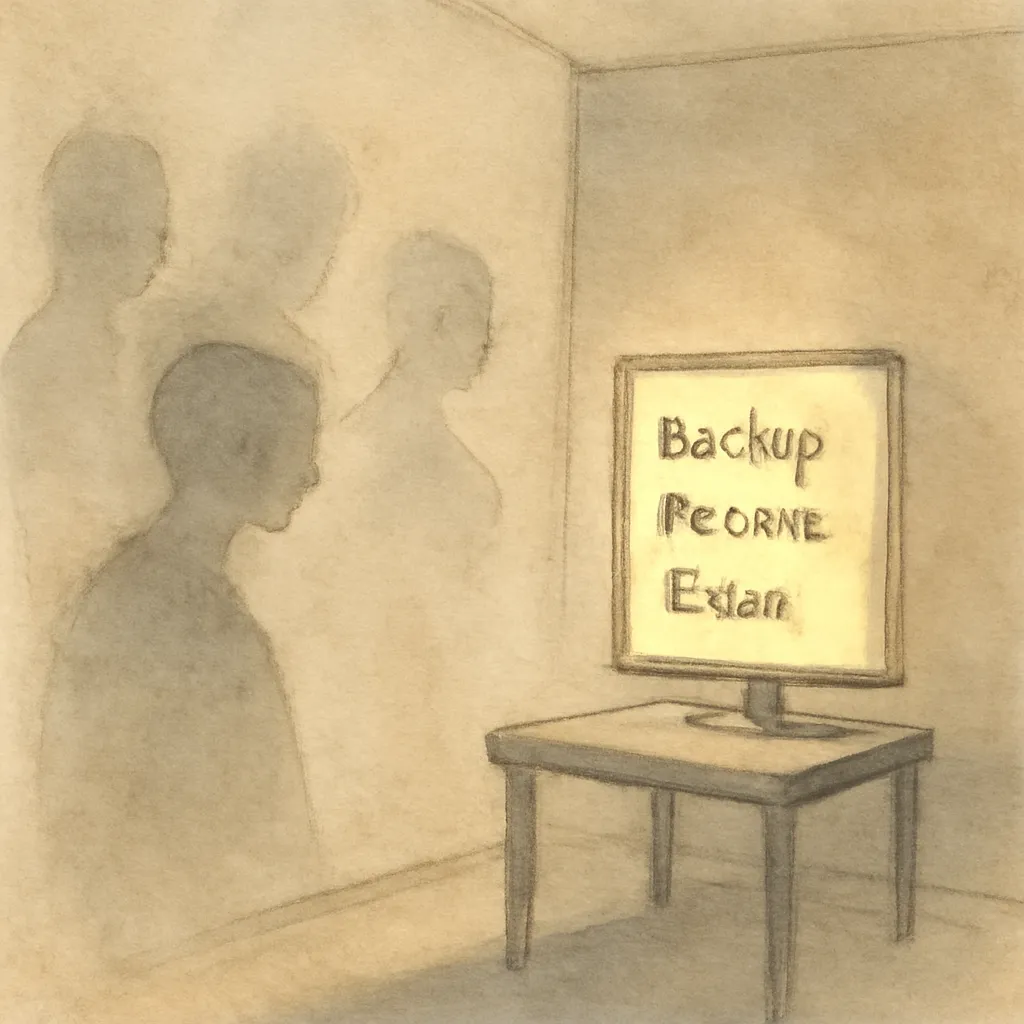
The em world forces a rethinking of mortality and selfhood. Ems can be backed up, restored, or deleted, making death less final but raising new ethical dilemmas about personhood and rights. Questions of consciousness, continuity, and the value of experience become central. Hanson doesn’t shy away from the unsettling implications, challenging readers to confront what makes a life meaningful when minds are software and existence can be copied or ended at will.
6.Why This Scenario Matters
Hanson argues that the em scenario, while speculative, is plausible and worth considering seriously. By rigorously applying economic and social science reasoning, he aims to make the future of mind uploading a legitimate topic for policy and philosophy. Even if the em world never arrives, thinking through its consequences sharpens our understanding of technology, society, and what it means to be human.