

Medicine, history
The Birth of the Clinic by Michel Foucault — Summary, Key Ideas & Quotes
2003288 pages✦ 3-min Big ideas
Rate it
In this remarkable book Michel Foucault, one of the most influential thinkers of recent times, calls us to look critically at specific historical events in order to uncover new layers of significance. In doing so, he challenges our assumptions not only about history, but also about the nature of language and reason, even of truth. The scope of such an undertaking is vast, but by means of his uniquely engaging narrative style, Foucault¿s penetrating gaze is skilfully able to confront our own. After reading his words our perceptions are never quite the same again.
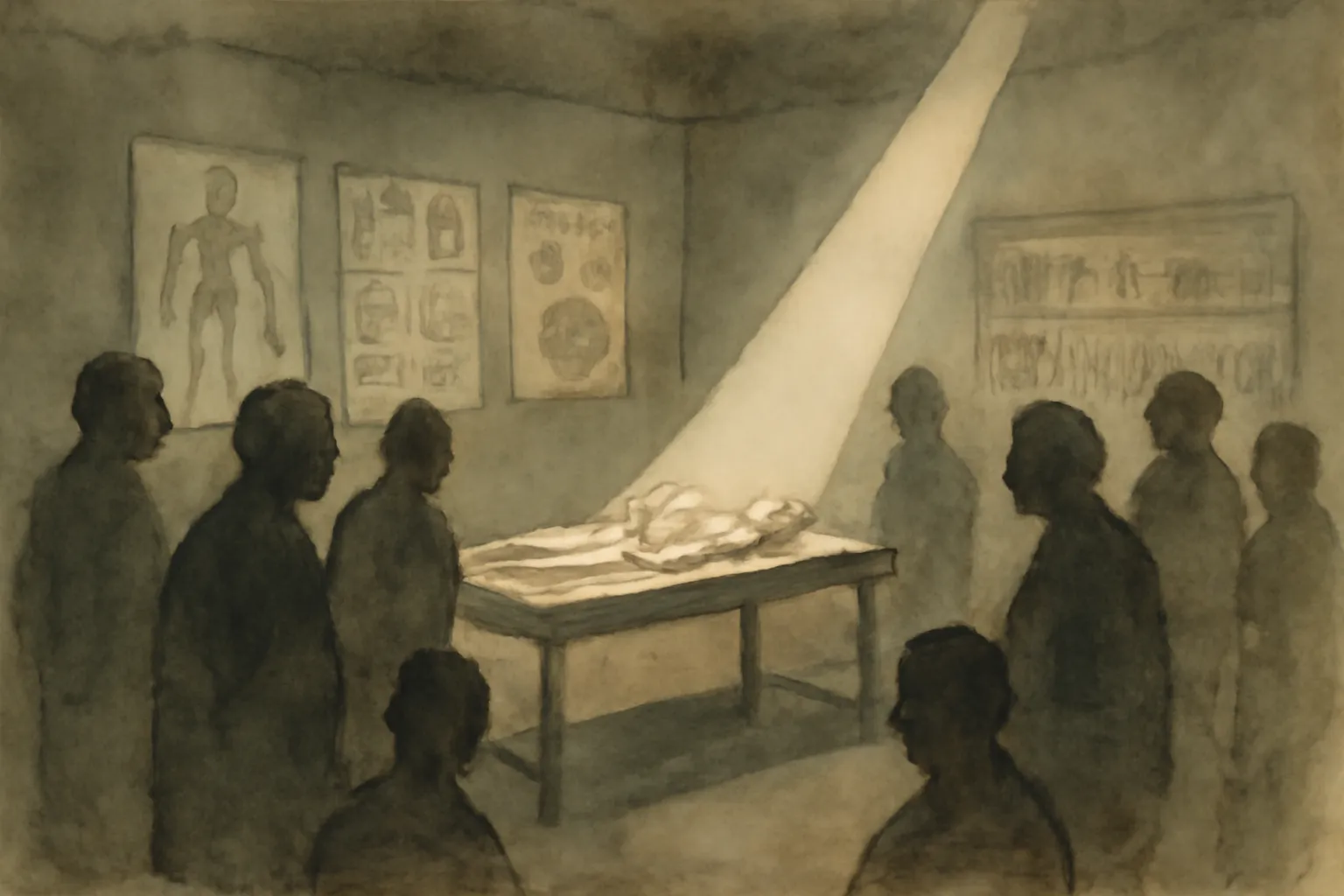
Foucault introduces the concept of the 'medical gaze'—a new way doctors began to look at patients in the late 18th and early 19th centuries. Instead of seeing the patient as a whole person, medicine shifted to viewing the body as an object to be observed, examined, and classified. This gaze separated symptoms from the individual's narrative, prioritizing what could be seen, measured, or dissected. The medical gaze is not just a technique but a form of power, shaping how illness and health are understood and managed.
The book traces the rise of the modern clinic as a site of knowledge production. Hospitals and clinics became places not only for treatment but for systematic observation and recording of disease. This institutional shift allowed for the accumulation of data, the comparison of cases, and the development of new medical categories. It marked a move away from individualized, home-based care to standardized, institutionalized medicine, fundamentally altering the patient-doctor relationship.
“The clinic was not only a structure, but also a gaze.”
“Visibility is a trap.”


