

Detective and mystery fiction · hard-boiled · thrillers
The Black Dahlia by James Ellroy — Summary, Key Ideas & Quotes
1987444 pages✦ 3-min Big ideas★ 3.8 (20)
Rate it
The Black Dahlia is a roman noir on an epic scale: a classic period piece that provides a startling conclusion to America's most infamous unsolved murder mystery--the murder of the beautiful young woman known as The Black Dahlia.
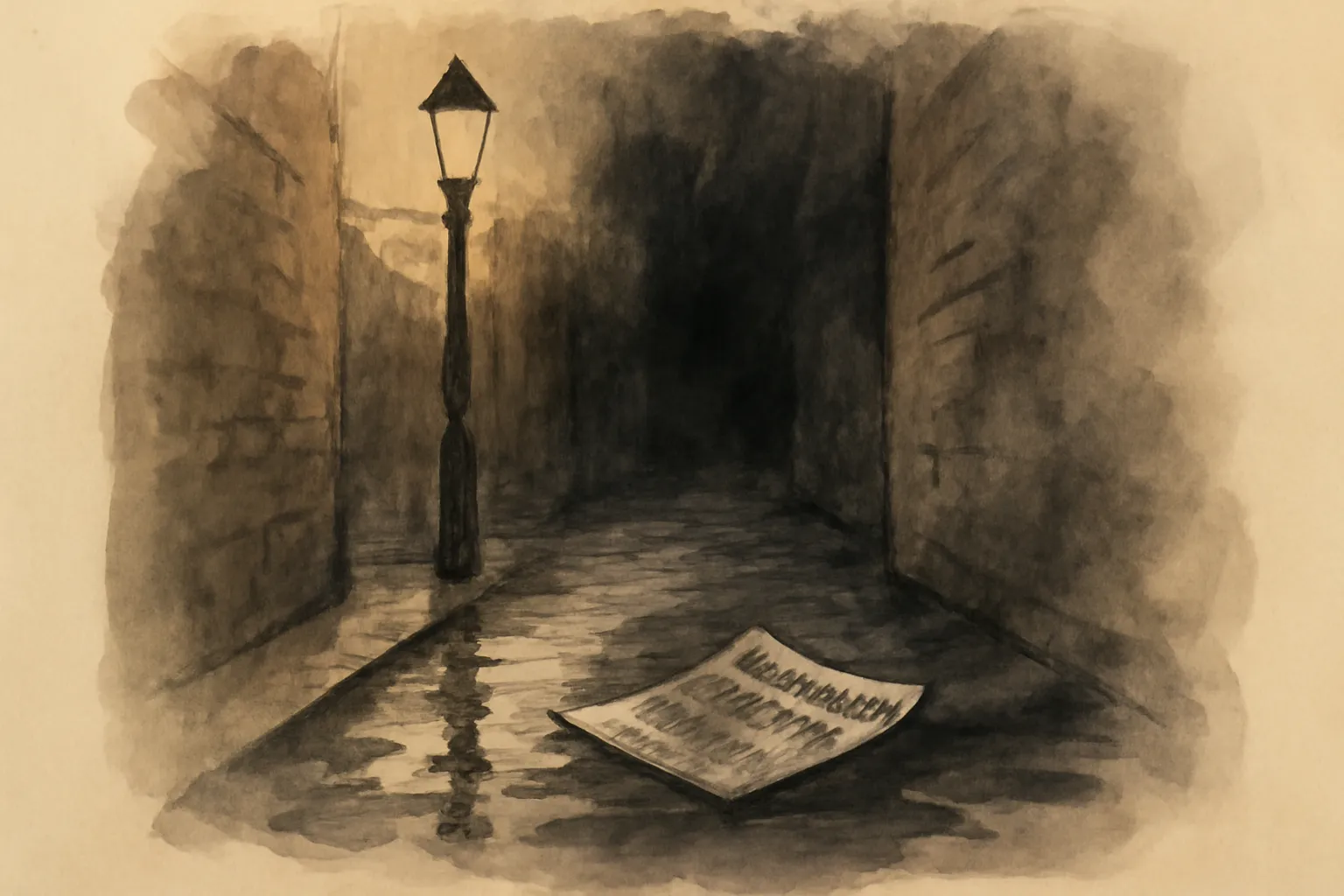
At its core, The Black Dahlia is a meditation on obsession—personal, professional, and societal. The novel’s protagonist, Bucky Bleichert, becomes consumed by the gruesome murder of Elizabeth Short, known as the Black Dahlia. This obsession is mirrored in the city’s media frenzy and the police department’s relentless (and often corrupt) pursuit of answers. Ellroy uses this fixation to explore how individuals and institutions alike can be destroyed by their compulsions, blurring the line between justice and self-destruction.
Ellroy paints Los Angeles as a city of shadows, where the optimism of postwar America is undercut by systemic corruption. The LAPD, portrayed as both heroic and deeply flawed, is emblematic of a society struggling with its own dark underbelly. Through the investigation, the novel exposes racism, sexism, and the abuse of power, suggesting that the city’s gleaming surface hides rot at its core.
“She was a ghost, a cipher, a blank slate on which we wrote our obsessions.”
“The city was a slaughterhouse without walls.”
