

American Novelists · Mothers and sons · Murder
My Dark Places by James Ellroy — Summary, Key Ideas & Quotes
1996416 pages✦ 3-min Big ideas
Rate it
Jean Ellroy was murdered in 1958. Her body was dumped on a roadway in a run-down L.A. suburb. The killer was never found. The case was closed. It was a sordid back-page homicide that nobody remembered. Except her son.
James Ellroy was ten years old when his mother died. His bereavement was complex and ambiguous. He grew up obsessed with murdered women and crime. His life spun hellishly out of control. He ran from the ghost of Jean Ellroy. He became a writer of radically provocative and best-selling crime novels. He tried to reclaim his mother through fiction. It didn't work. He quit running and wrote this memoir.
My Dark Places is Jean Ellroy's and James Ellroy's story - from 1958 to all points past and up to this moment. It is the story of a brilliant homicide detective named Bill Stoner, and of the investigation he and James Ellroy undertook to find Jean Ellroy's killer. My Dark Places is unflinching autobiography and vivid reportage. It is no less than a treatise on 38 years of American murder. It is James Ellroy's journey into and through his most forbidding memories.
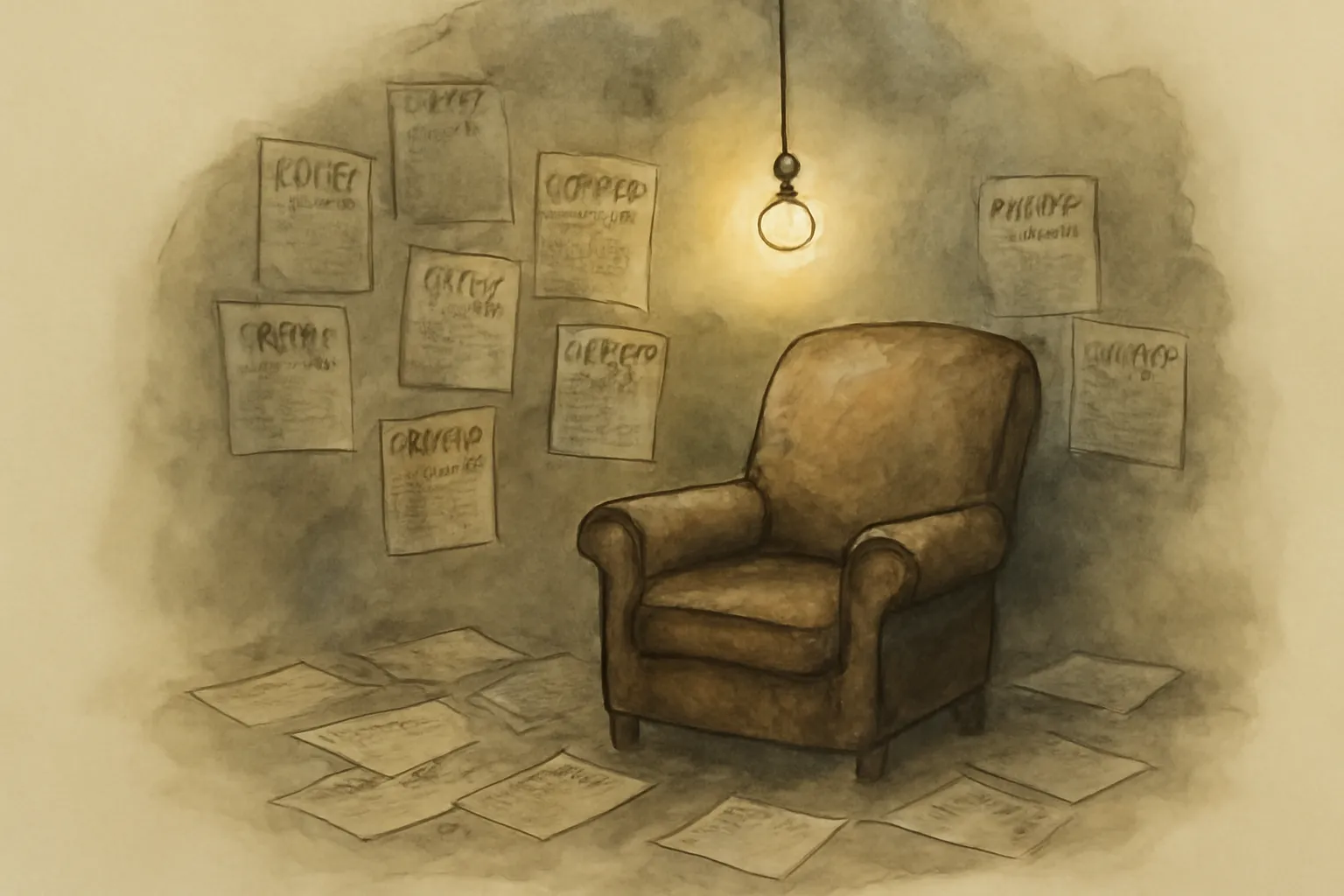
Ellroy’s lifelong fixation on his mother’s murder is the book’s driving force. He explores how this unresolved trauma shaped his identity, relationships, and even his writing career. The memoir reveals how obsession can be both a motivator and a destructive force, compelling Ellroy into the world of crime fiction and, ultimately, back to the real crime that defined his youth. The book’s candor about addiction, self-destruction, and the psychic toll of unresolved grief makes it a rare and honest account of how crime can haunt the living as much as the dead.
Unlike conventional true crime, My Dark Places is as much about Ellroy’s internal investigation as the external one. The book blurs the line between detective work and memoir, using the cold case as a mirror to examine Ellroy’s own failings, fantasies, and fears. The investigation becomes a metaphor for the search for meaning in trauma, and the narrative’s self-awareness elevates it above typical genre fare.
“Closure is bullshit.”
“I wanted to know who killed my mother and why.”
“I am the son of a murdered woman.”
