1.The Personal Cost of Obsession
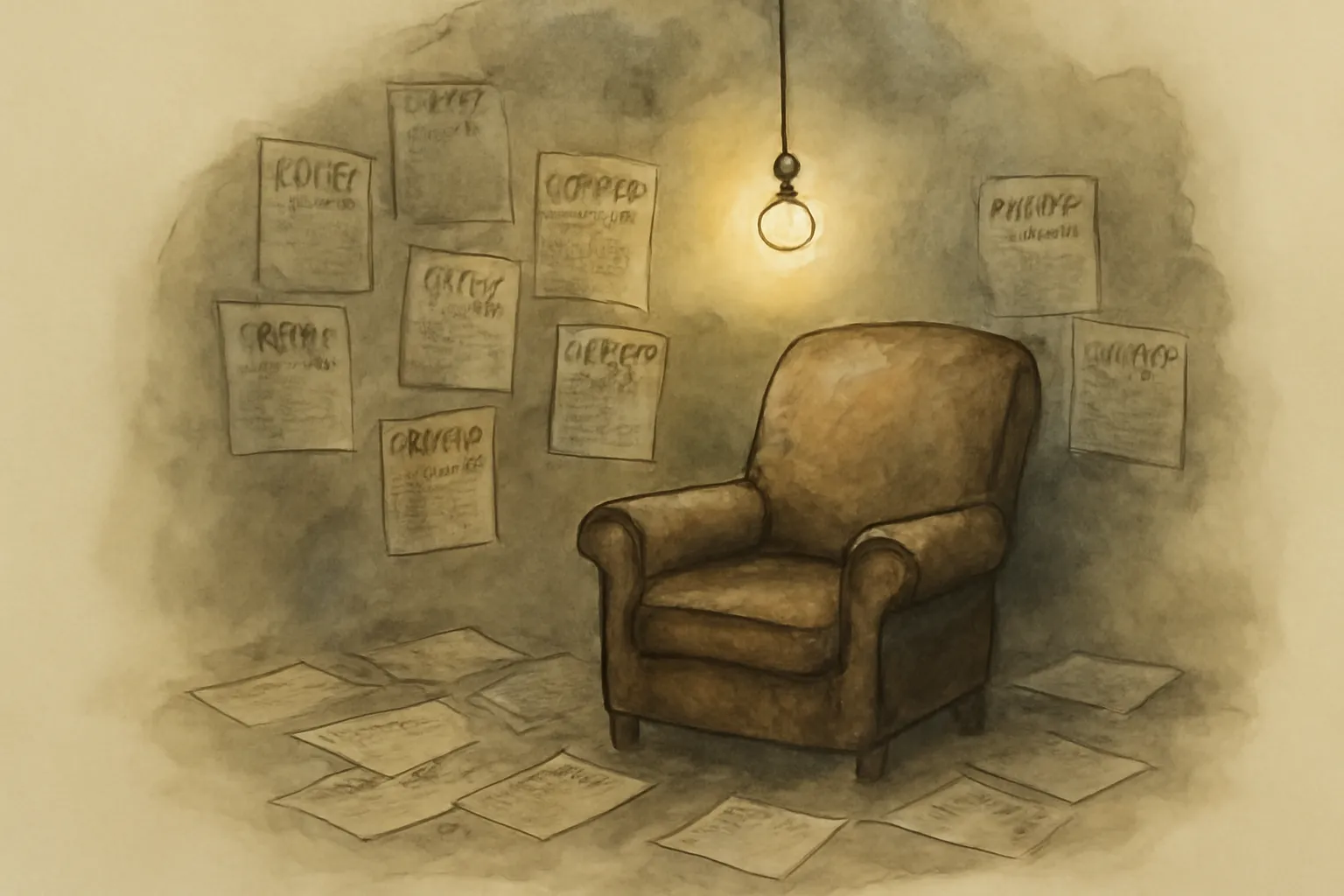
Ellroy’s lifelong fixation on his mother’s murder is the book’s driving force. He explores how this unresolved trauma shaped his identity, relationships, and even his writing career. The memoir reveals how obsession can be both a motivator and a destructive force, compelling Ellroy into the world of crime fiction and, ultimately, back to the real crime that defined his youth. The book’s candor about addiction, self-destruction, and the psychic toll of unresolved grief makes it a rare and honest account of how crime can haunt the living as much as the dead.
2.True Crime as Self-Examination
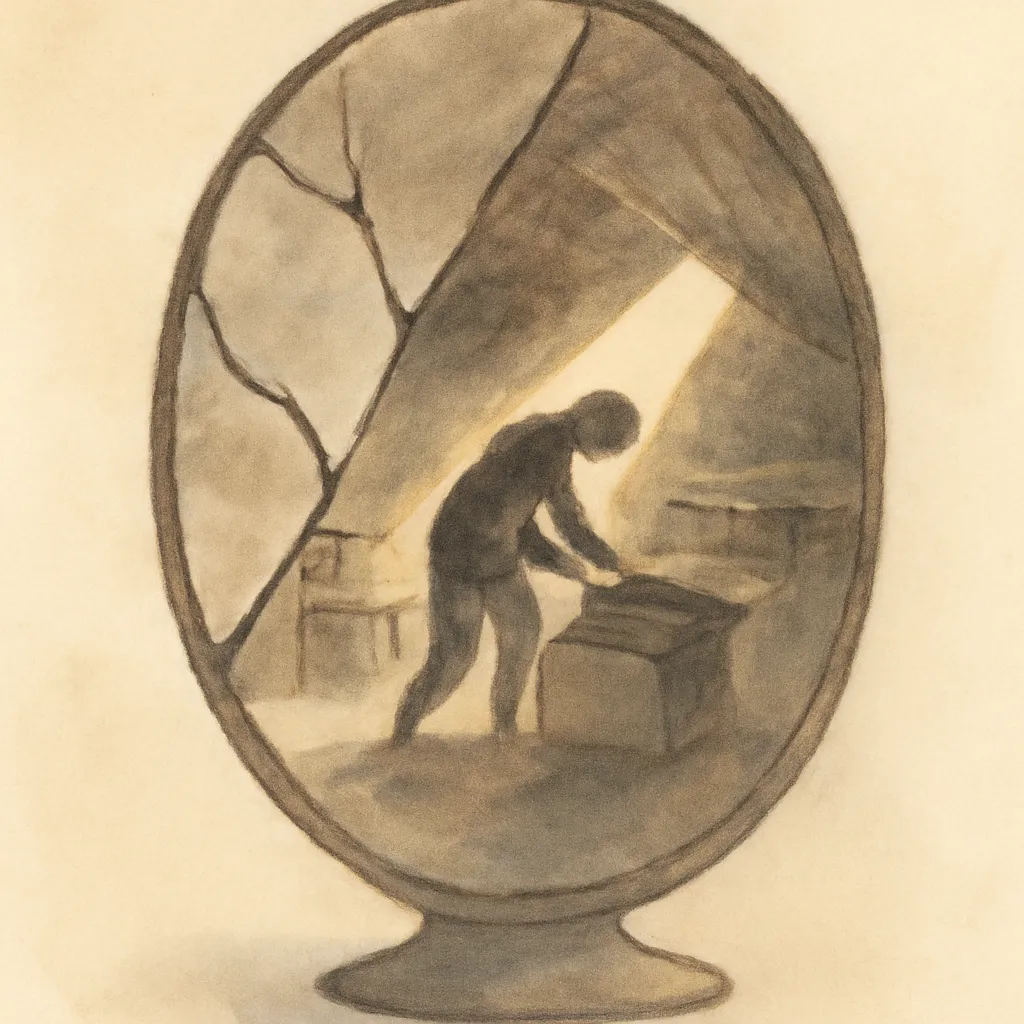
Unlike conventional true crime, My Dark Places is as much about Ellroy’s internal investigation as the external one. The book blurs the line between detective work and memoir, using the cold case as a mirror to examine Ellroy’s own failings, fantasies, and fears. The investigation becomes a metaphor for the search for meaning in trauma, and the narrative’s self-awareness elevates it above typical genre fare.
3.The Limits of Closure
Ellroy’s quest to solve his mother’s murder is ultimately a meditation on the impossibility of true closure. Despite exhaustive research and the help of a retired detective, the case remains unsolved. The book confronts the reader with the uncomfortable truth that some wounds never fully heal, and that the past can never be entirely reclaimed or understood. This refusal to offer easy answers is central to the memoir’s power.
4.The Noir Aesthetic in Real Life
Ellroy’s signature hard-boiled style permeates the memoir, imbuing real events with the atmosphere of classic noir. He draws explicit connections between the seedy underbelly of Los Angeles, the violence of mid-century America, and his own psychological darkness. The book is both an homage to and a critique of the noir tradition, using its tropes to interrogate the allure and danger of romanticizing crime.
5.The Ethics of Crime Writing
My Dark Places is deeply self-reflexive about the ethics of true crime. Ellroy interrogates his own motives and the voyeuristic impulses of readers and writers alike. He acknowledges the pain of survivors and the possibility of exploitation, raising questions about what it means to tell—and profit from—stories of real suffering. This ethical tension gives the memoir a moral gravity often missing from the genre.
6.Memory, Guilt, and the Unreliable Narrator
Ellroy is acutely aware of the limitations of memory and the ways guilt can distort recollection. He admits to both remembering and misremembering, to fantasy and fabrication, making the memoir a meditation on the slipperiness of truth. This self-doubt invites readers to question not only Ellroy’s narrative but the very possibility of objective truth in personal and criminal histories.