1.Obsession and Moral Decay
At its core, The Black Dahlia is a meditation on obsession—personal, professional, and societal. The novel’s protagonist, Bucky Bleichert, becomes consumed by the gruesome murder of Elizabeth Short, known as the Black Dahlia. This obsession is mirrored in the city’s media frenzy and the police department’s relentless (and often corrupt) pursuit of answers. Ellroy uses this fixation to explore how individuals and institutions alike can be destroyed by their compulsions, blurring the line between justice and self-destruction.
2.Corruption in Postwar Los Angeles
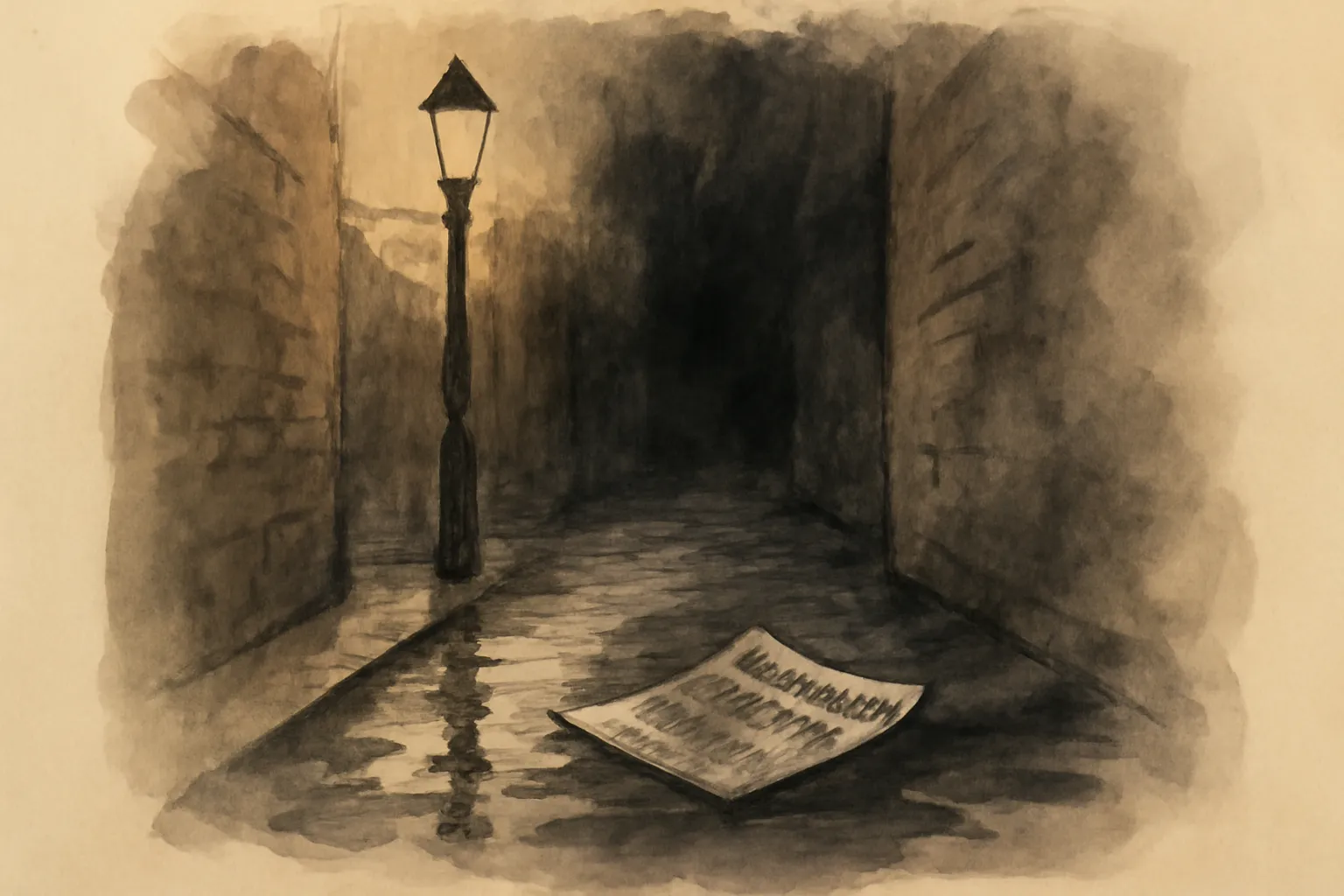
Ellroy paints Los Angeles as a city of shadows, where the optimism of postwar America is undercut by systemic corruption. The LAPD, portrayed as both heroic and deeply flawed, is emblematic of a society struggling with its own dark underbelly. Through the investigation, the novel exposes racism, sexism, and the abuse of power, suggesting that the city’s gleaming surface hides rot at its core.
3.Identity and the Search for Truth
The characters in The Black Dahlia are haunted by questions of identity—both their own and that of the murdered woman. The mystery of Elizabeth Short’s life and death becomes a mirror for the detectives’ personal insecurities and hidden traumas. The search for truth is not just about solving a crime, but about confronting uncomfortable realities within themselves and their society.
4.The Cost of Violence
Violence in The Black Dahlia is not just physical, but psychological and emotional. Ellroy’s graphic depiction of the murder and its aftermath forces readers to reckon with the lasting impact of brutality—not only on the victim, but on everyone touched by the case. The novel suggests that violence leaves scars that never fully heal, shaping destinies and relationships in its wake.
5.Noir Style and Narrative Innovation
Ellroy revitalizes the noir genre with his terse, propulsive prose and complex narrative structure. The novel’s atmosphere is thick with dread and moral ambiguity, and Ellroy’s use of multiple perspectives and unreliable narrators keeps readers off-balance. This stylistic boldness deepens the sense of unease and compels readers to question every revelation.
6.Historical Fiction as Social Critique
While rooted in a real 1947 crime, Ellroy’s novel uses historical fiction to critique the American dream. By weaving fact with fiction, he exposes the mythologies of Hollywood glamour and postwar prosperity, highlighting the marginalized and forgotten. The Black Dahlia becomes a symbol of lost innocence and the dark price of ambition.