Gardening · Nature · Human-plant relationships
The Botany of Desire: A Plant's-Eye View of the World by Michael Pollan — Summary, Key Ideas & Quotes
2001298 pages✦ 3-min Big ideas★ 3.8 (18)
Rate it
A Random House Trade Paperback
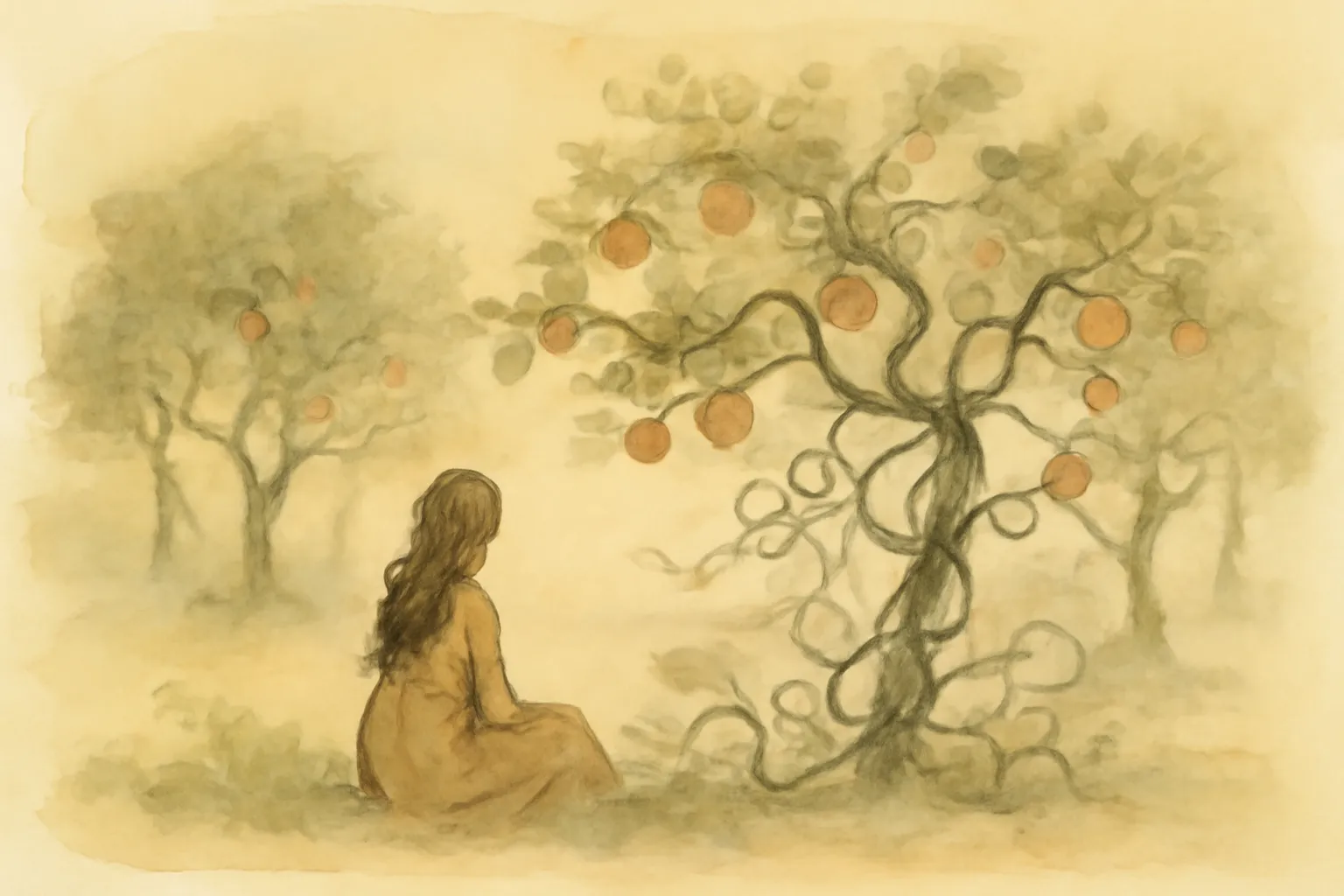
Pollan reframes the human-plant relationship as a two-way street, arguing that plants are not passive objects of cultivation but active participants in their own evolution. By catering to human desires—sweetness, beauty, intoxication, and control—plants like the apple, tulip, marijuana, and potato have thrived and spread across the globe. This perspective challenges the traditional view of humans as sole agents of domestication, suggesting instead a mutualistic dance where both species adapt and benefit.
The book is structured around four human desires—sweetness (apple), beauty (tulip), intoxication (marijuana), and control (potato)—and the plants that have evolved to satisfy them. Pollan explores how each plant’s appeal to a basic human longing has driven its proliferation. This framework illuminates the deep psychological and cultural roots of our interactions with the natural world, showing that our preferences have ecological consequences.
“What existential difference is there between the human being’s role in this or that potato’s life and the potato’s role in the human being’s life?”
“The garden suggests there might be a place where we can meet nature halfway.”