1.Plants as Co-Evolutionary Partners
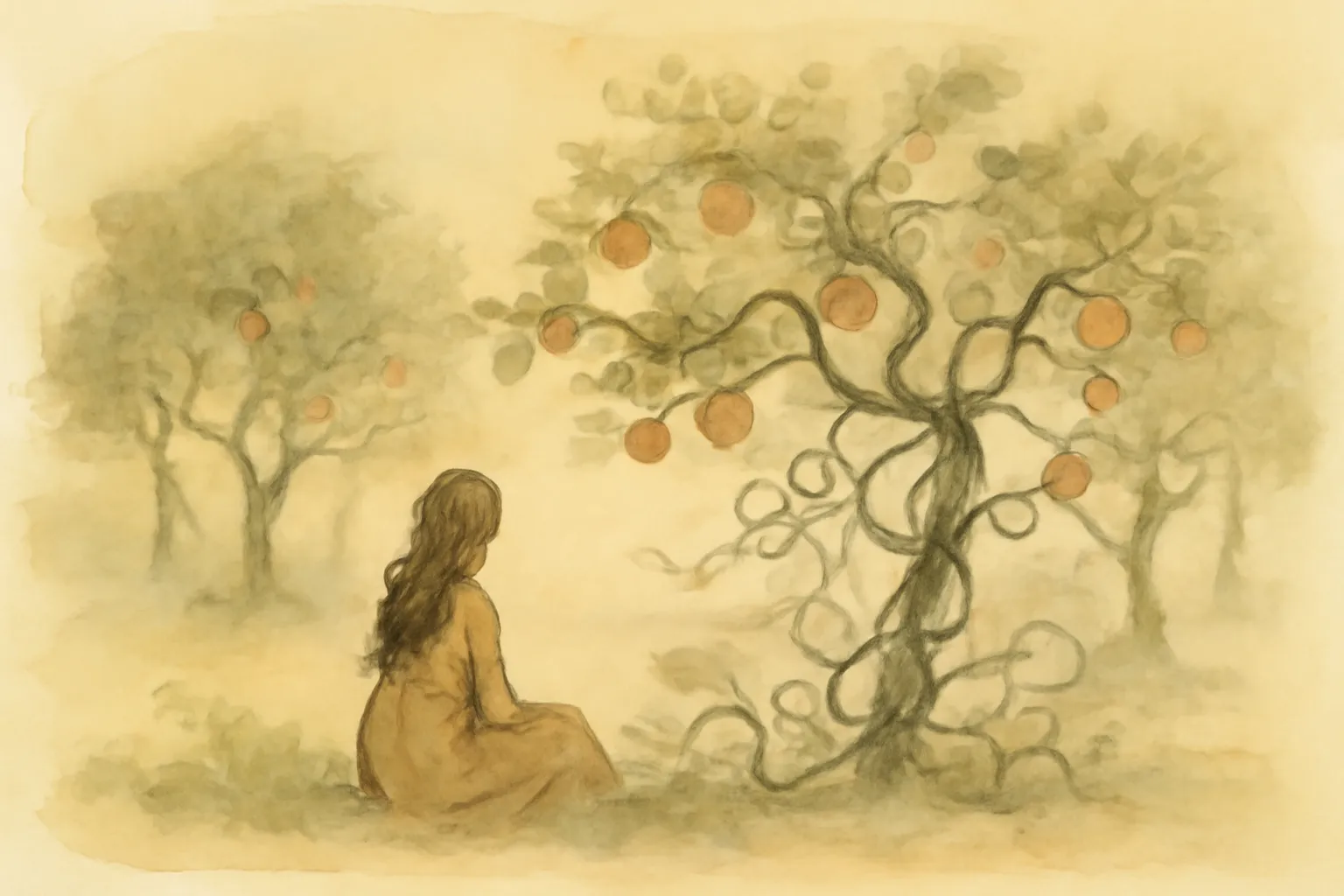
Pollan reframes the human-plant relationship as a two-way street, arguing that plants are not passive objects of cultivation but active participants in their own evolution. By catering to human desires—sweetness, beauty, intoxication, and control—plants like the apple, tulip, marijuana, and potato have thrived and spread across the globe. This perspective challenges the traditional view of humans as sole agents of domestication, suggesting instead a mutualistic dance where both species adapt and benefit.
2.The Four Desires
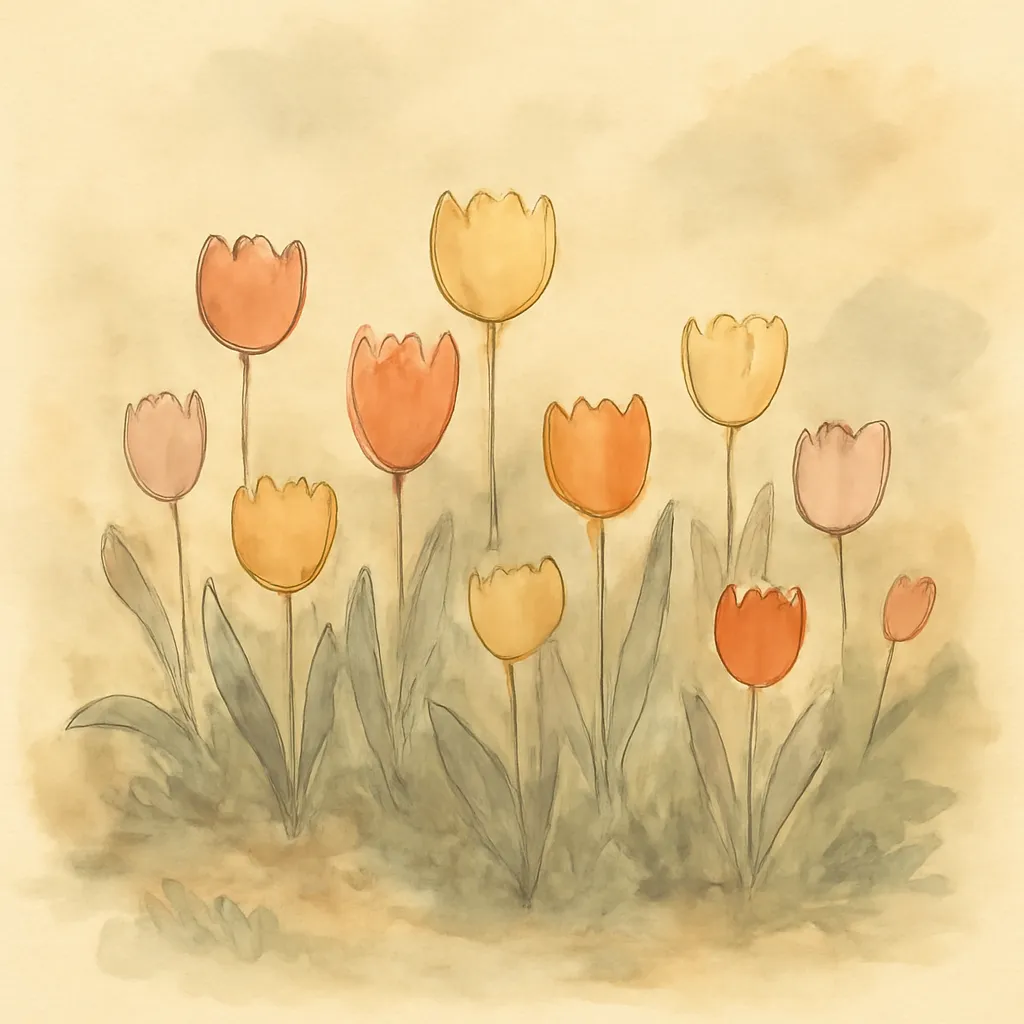
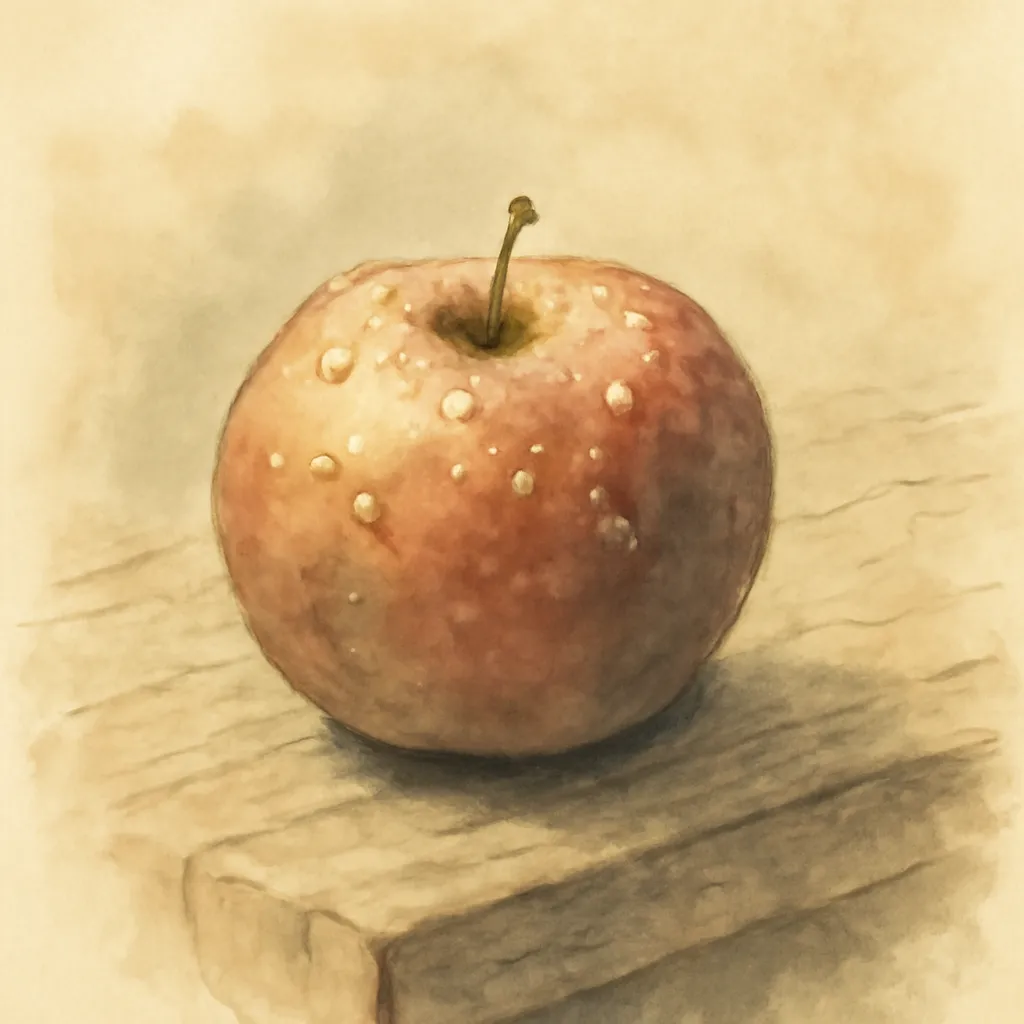
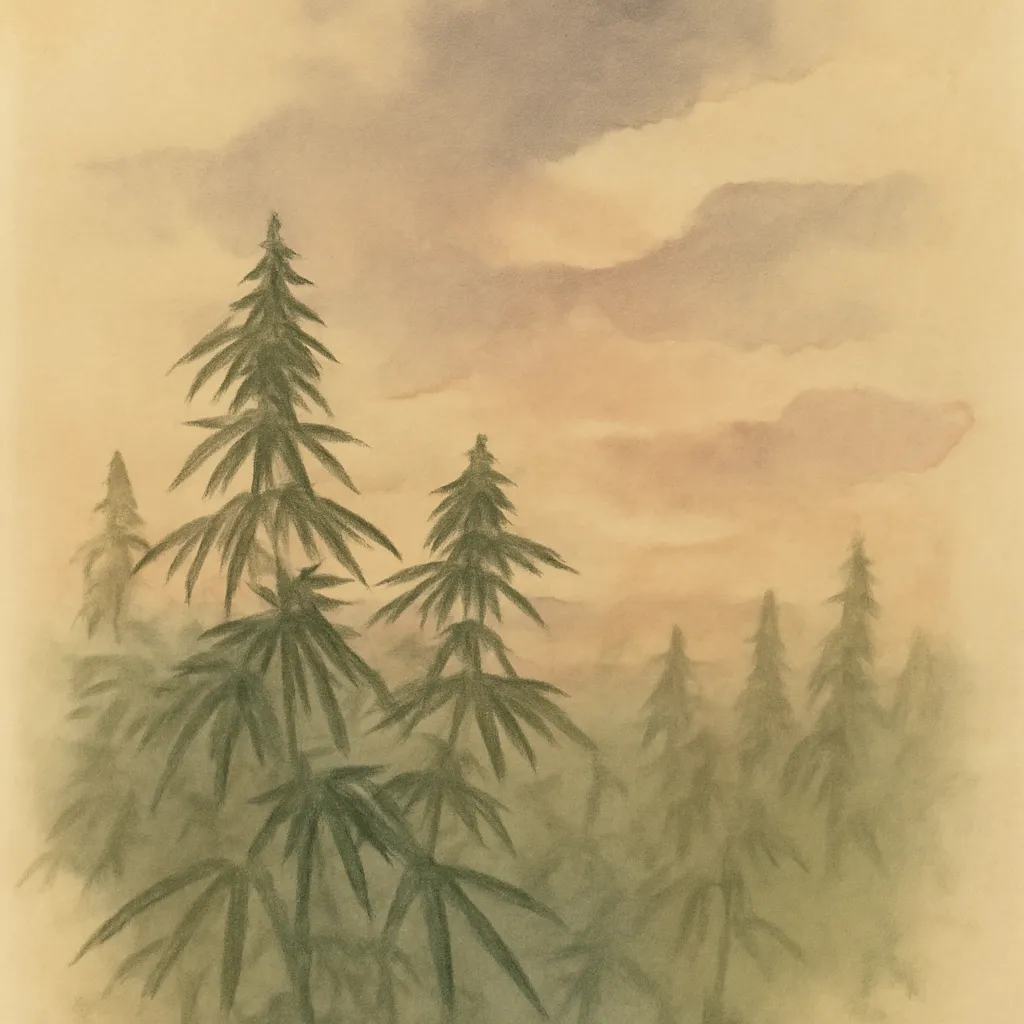
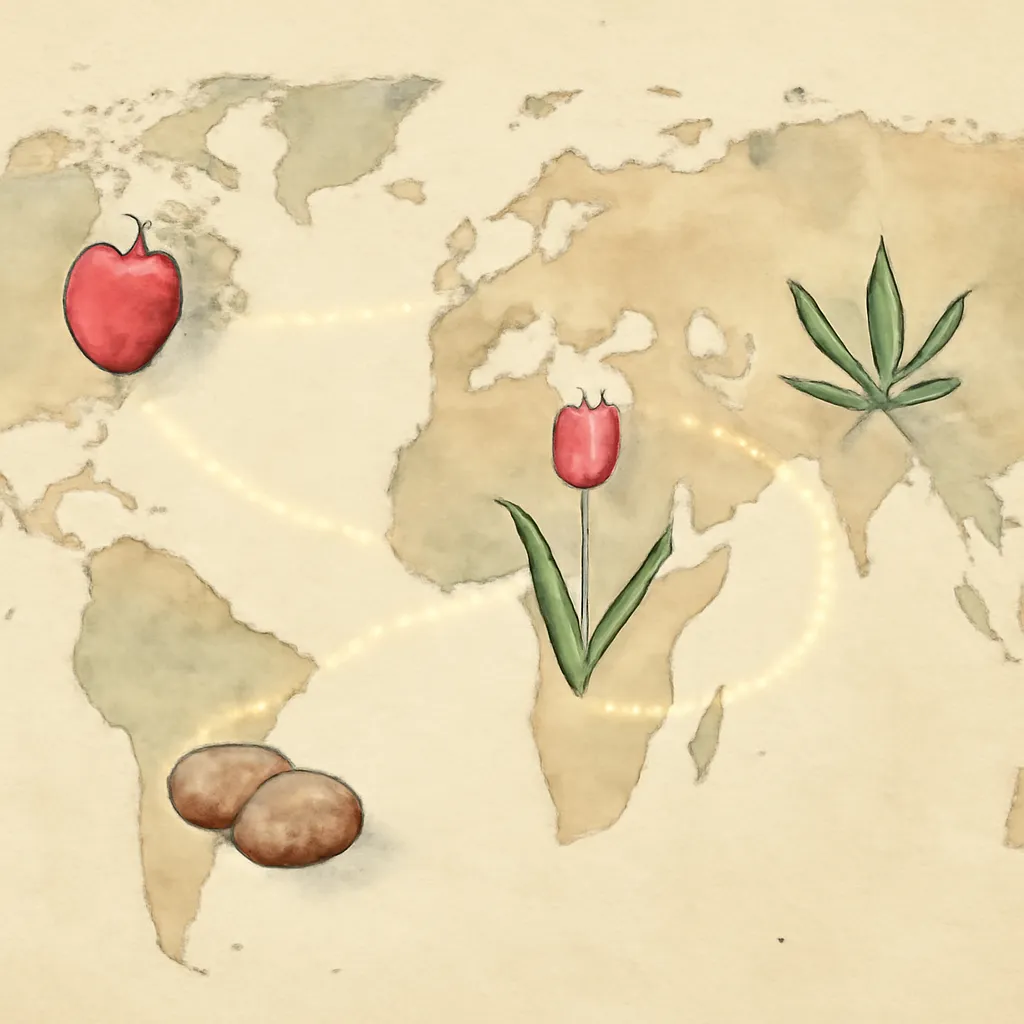
The book is structured around four human desires—sweetness (apple), beauty (tulip), intoxication (marijuana), and control (potato)—and the plants that have evolved to satisfy them. Pollan explores how each plant’s appeal to a basic human longing has driven its proliferation. This framework illuminates the deep psychological and cultural roots of our interactions with the natural world, showing that our preferences have ecological consequences.
3.Nature’s Agency and Perspective
By adopting a 'plant’s-eye view,' Pollan encourages readers to consider the world from the perspective of plants. He playfully suggests that plants have 'used' humans to further their own evolutionary success, exploiting our desires to ensure their survival and spread. This inversion of perspective is both provocative and enlightening, challenging anthropocentric assumptions and highlighting the interconnectedness of all living things.
4.The Complexity of Domestication
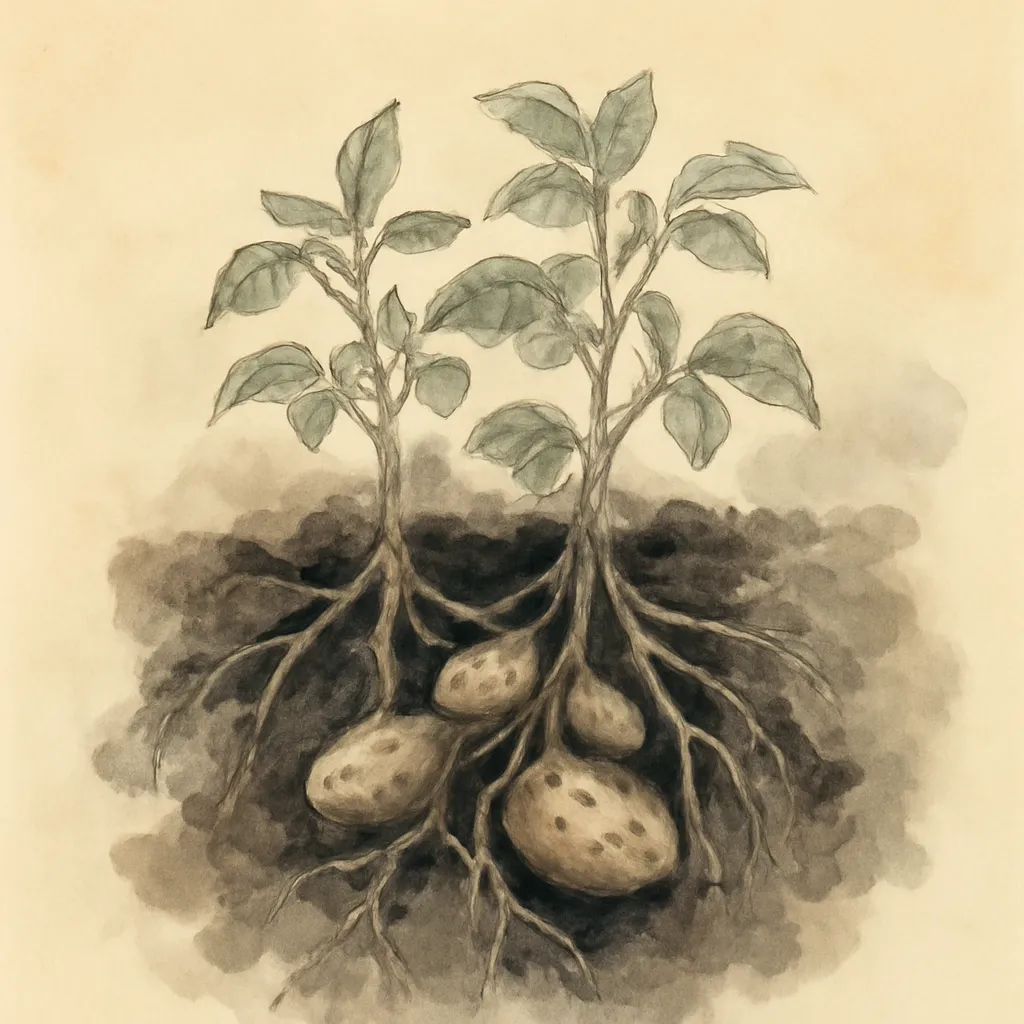
Pollan delves into the unintended consequences of domestication, such as genetic uniformity and vulnerability to disease, especially in the case of the potato and the Irish famine. He shows that our attempts to control nature often lead to new forms of dependence and risk, reminding us that domestication is not a straightforward triumph of human ingenuity, but a complex, ongoing negotiation.
5.Cultural and Historical Impact
Each plant’s story is intertwined with broader social, economic, and historical currents. The apple’s journey from Kazakhstan to America, the tulip mania in Holland, the counterculture’s embrace of marijuana, and the global spread of the potato all illustrate how plants have shaped, and been shaped by, human history. Pollan weaves together science, history, and personal narrative to show that the fate of plants and people is deeply intertwined.
6.Rethinking Human Control Over Nature
A central theme is the illusion of human mastery over nature. Pollan reveals how our efforts to manipulate plants for our benefit often backfire, leading to ecological imbalances or new dependencies. He advocates for a more humble and reciprocal relationship with the natural world, one that recognizes the agency of other living things.