
Diseases · Psychology · Science
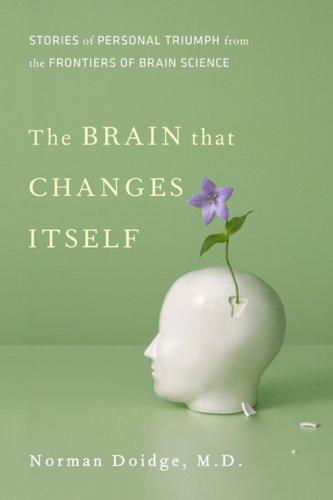
The Brain That Changes Itself by Norman Doidge — Summary, Key Ideas & Quotes
2007448 pages✦ 3-min Big ideas★ 2.9 (13)
Rate it
An astonishing new science called neuroplasticity is overthrowing the centuries-old notion that the human brain is immutable. Psychiatrist and psychoanalyst, Norman Doidge, M.D., traveled the country to meet both the brilliant scientists championing neuroplasticity and the people whose lives they've transformed—people whose mental limitations or brain damage were seen as unalterable. We see a woman born with half a brain that rewired itself to work as a whole, blind people who learn to see, learning disorders cured, IQs raised, aging brains rejuvenated, stroke patients learning to speak, children with cerebral palsy learning to move with more grace, depression and anxiety disorders successfully treated, and lifelong character traits changed. Using these marvelous stories to probe mysteries of the body, emotion, love, sex, culture, and education, Dr. Doidge has written an immensely moving, inspiring book that will permanently alter the way we look at our brains, human nature, and human potential.
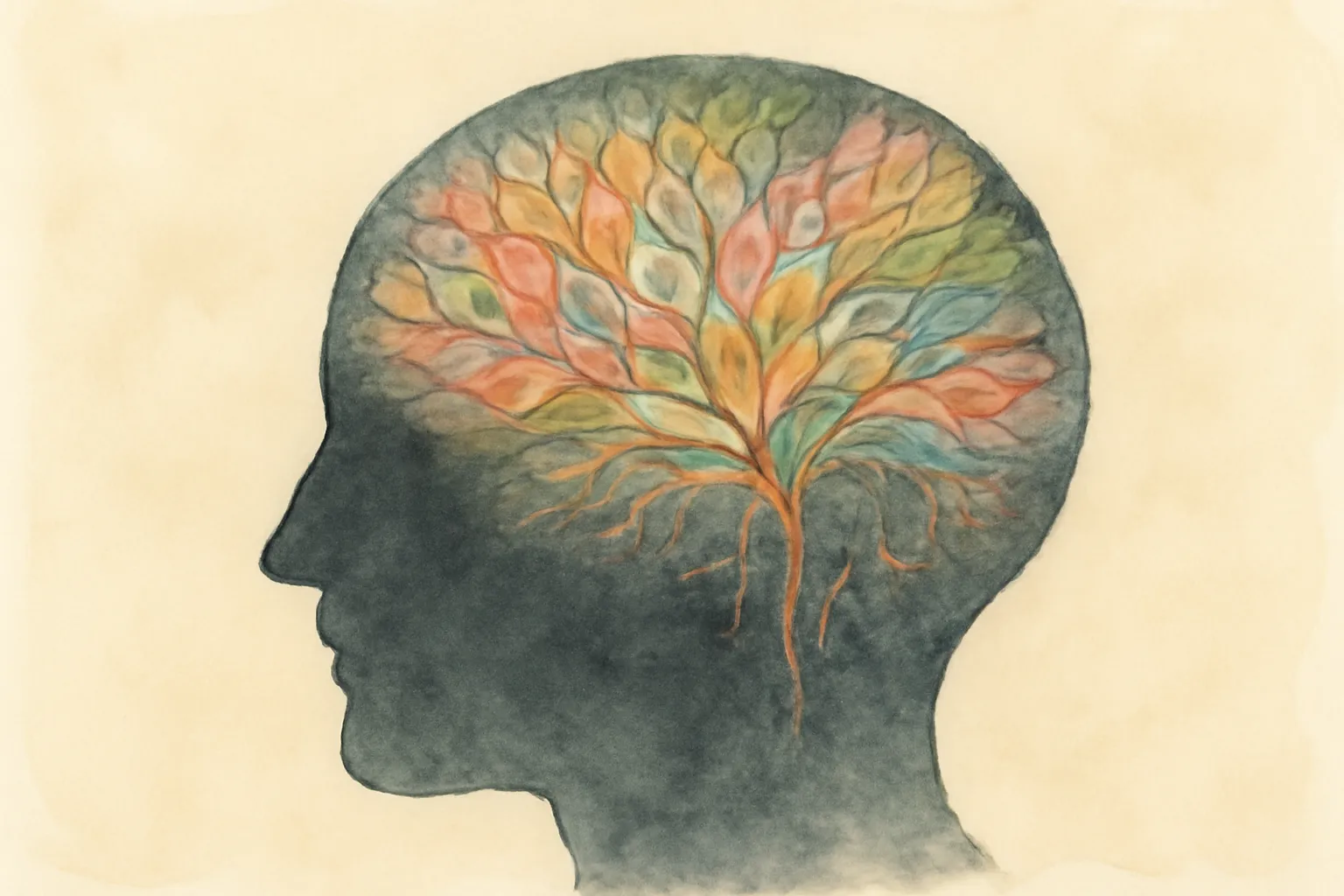
The book’s central idea is neuroplasticity—the brain’s lifelong ability to reorganize itself by forming new neural connections. Doidge dismantles the old belief that the brain’s structure is fixed after childhood, instead presenting research and stories that show how experience, learning, and even injury can reshape the brain’s wiring. This opens up possibilities for recovery from trauma, learning disabilities, and age-related decline, making the brain far more adaptable than previously thought.
Doidge brings neuroplasticity to life through gripping stories: stroke survivors who regain speech, people with cerebral palsy who learn to move more fluidly, and individuals overcoming learning disorders. These cases are not just medical curiosities—they illustrate the practical, human impact of brain plasticity and offer hope to those facing seemingly insurmountable obstacles. The book shows that targeted therapy, practice, and persistence can trigger profound neurological change.
“Neurons that fire together wire together.”
“The brain is not an inanimate vessel that we fill; rather, it is more like a living creature with an appetite, one that can grow and change itself with proper nourishment.”
