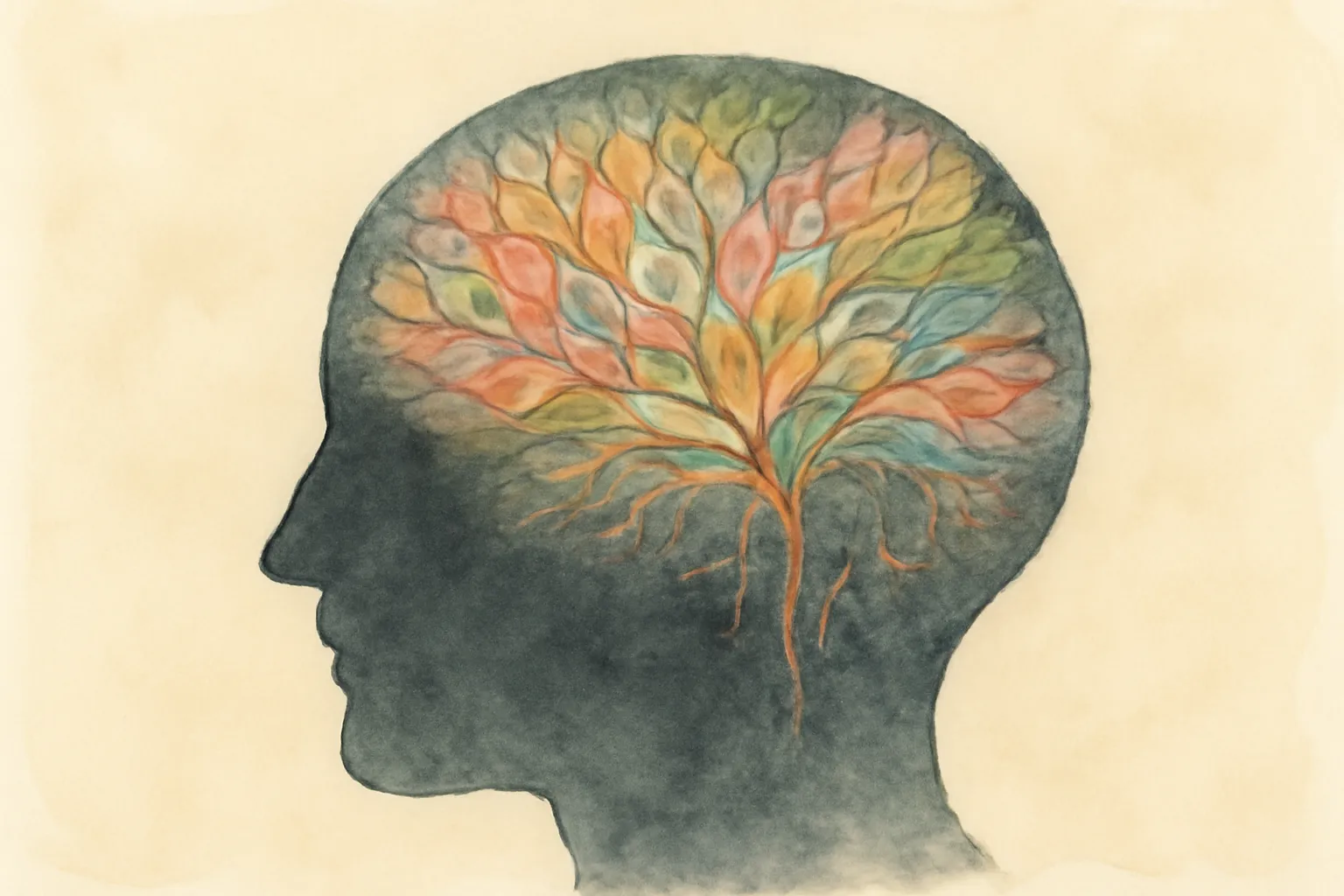
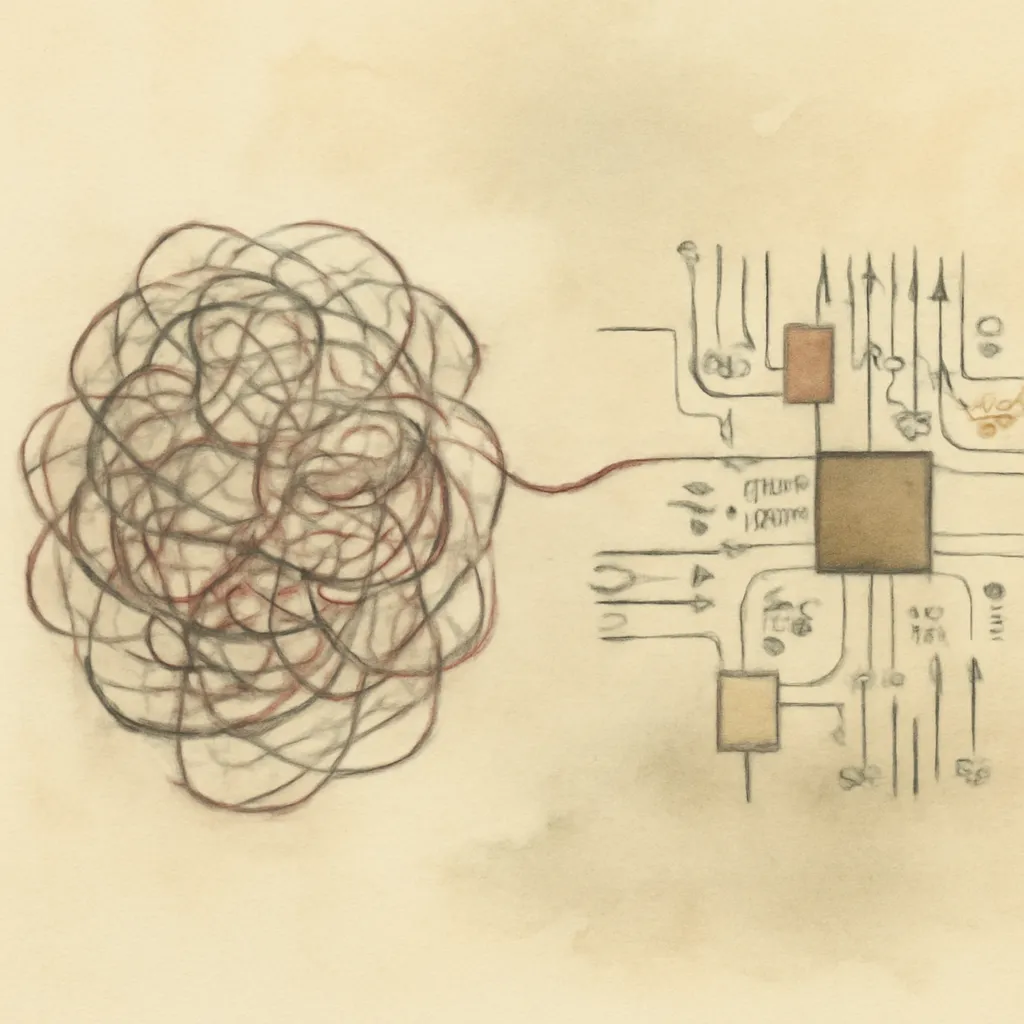
1.Neuroplasticity: The Brain’s Capacity for Change
The book’s central idea is neuroplasticity—the brain’s lifelong ability to reorganize itself by forming new neural connections. Doidge dismantles the old belief that the brain’s structure is fixed after childhood, instead presenting research and stories that show how experience, learning, and even injury can reshape the brain’s wiring. This opens up possibilities for recovery from trauma, learning disabilities, and age-related decline, making the brain far more adaptable than previously thought.
2.Real-Life Transformations
Doidge brings neuroplasticity to life through gripping stories: stroke survivors who regain speech, people with cerebral palsy who learn to move more fluidly, and individuals overcoming learning disorders. These cases are not just medical curiosities—they illustrate the practical, human impact of brain plasticity and offer hope to those facing seemingly insurmountable obstacles. The book shows that targeted therapy, practice, and persistence can trigger profound neurological change.
3.Limits and Dangers of Plasticity
While neuroplasticity is empowering, Doidge also warns that the brain’s adaptability cuts both ways. Bad habits, addictions, and even chronic pain can become entrenched through the same plastic processes. The book underscores the importance of conscious, positive engagement with our experiences and environments, because the brain will rewire itself in response to whatever patterns we reinforce—good or bad.
4.Implications for Aging and Lifelong Learning
One of the most hopeful messages is that the aging brain is not doomed to inevitable decline. Doidge presents evidence that cognitive training, physical exercise, and new learning can rejuvenate older brains, sometimes reversing aspects of age-related deterioration. This reframes aging as a period of continued growth and adaptability, not just loss.
5.Emotional and Psychological Healing
Beyond physical rehabilitation, the book explores how neuroplasticity can help treat psychological conditions like depression, anxiety, and obsessive-compulsive disorder. Innovative therapies that harness the brain’s ability to change can lead to lasting improvements in mood and behavior, challenging the idea that personality or mental health issues are fixed traits.
6.Cultural and Societal Impact
Doidge suggests that neuroplasticity has profound implications beyond individual health, influencing how we think about education, relationships, and even culture. If brains are shaped by experience, then environments—schools, families, societies—play a critical role in shaping who we become. This insight calls for more thoughtful approaches to nurturing human potential.